ZNG Medical
ZNG Medical
ZNG Medical
In an era defined by rapid technological advancements and tightening global healthcare regulations, the demand for precision-engineered vaccination equipment and surgical-grade injection solutions is at an all-time high. Zhejiang ZNG Medical Co., Ltd., established in 1996, has stood at the forefront of this critical industry. As an ISO 9001 and CE-certified manufacturer, we specialize in high-capacity OEM/ODM production of medical needle assemblies, safety syringes, specialized clinical catheters, and patient-centric monitoring supplies. This whitepaper analyzes the current global infrastructure trends, procurement standards, and custom technical pathways driving the future of vaccine delivery systems.
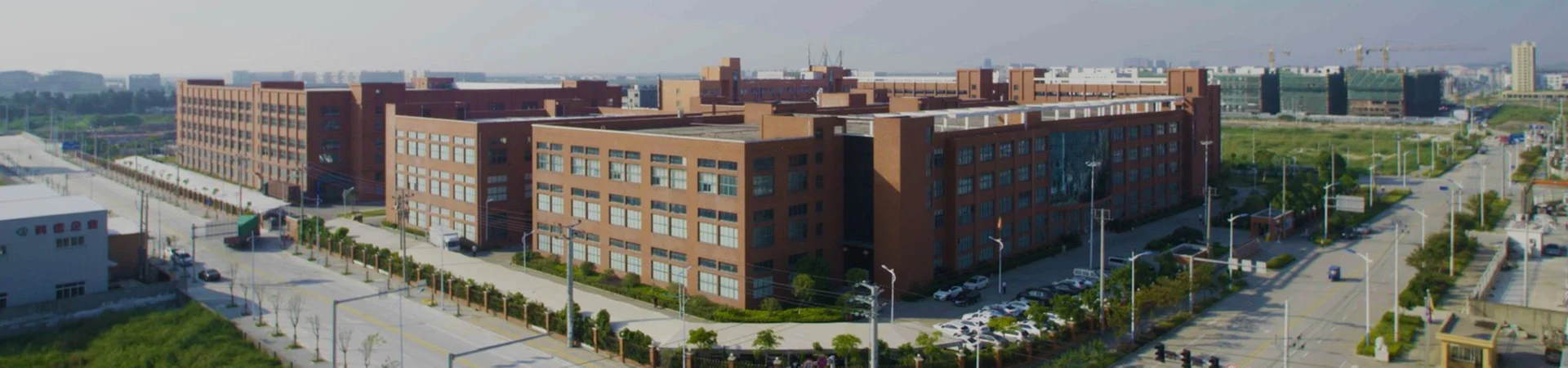
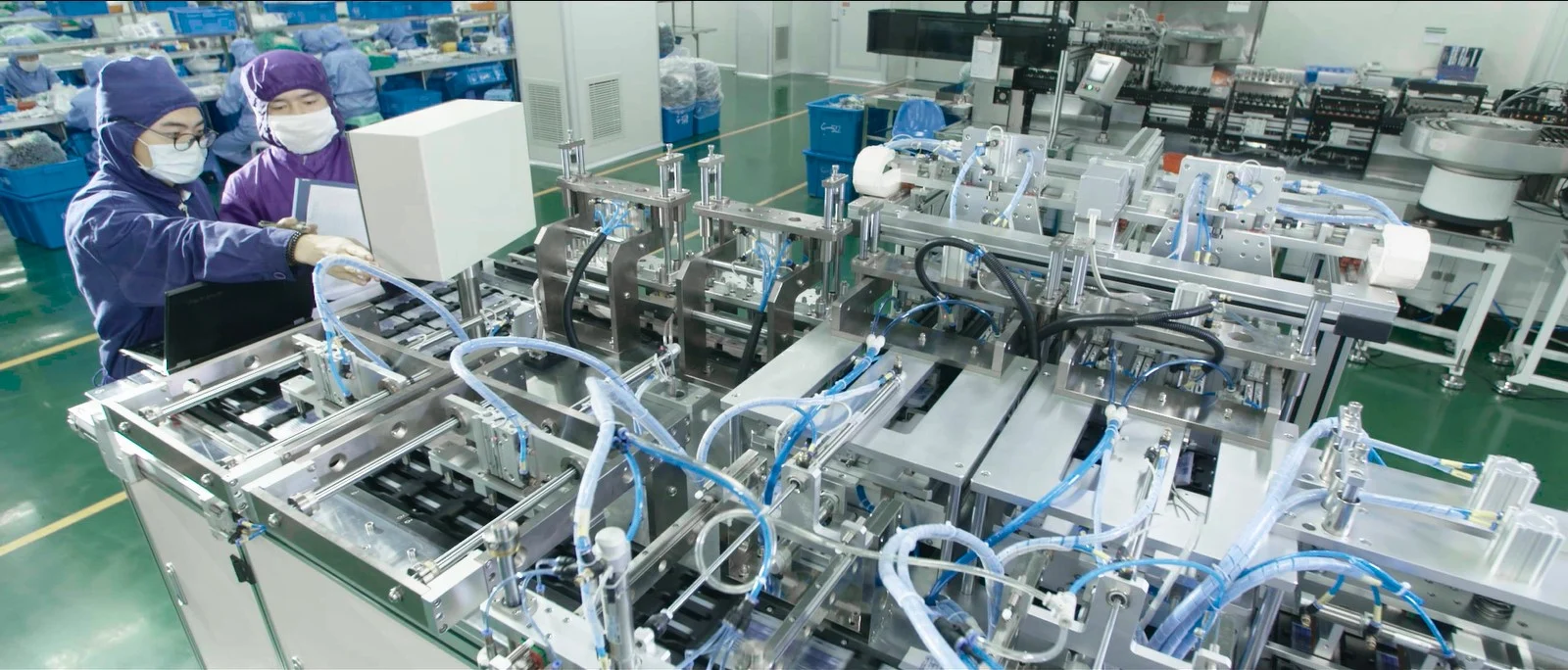
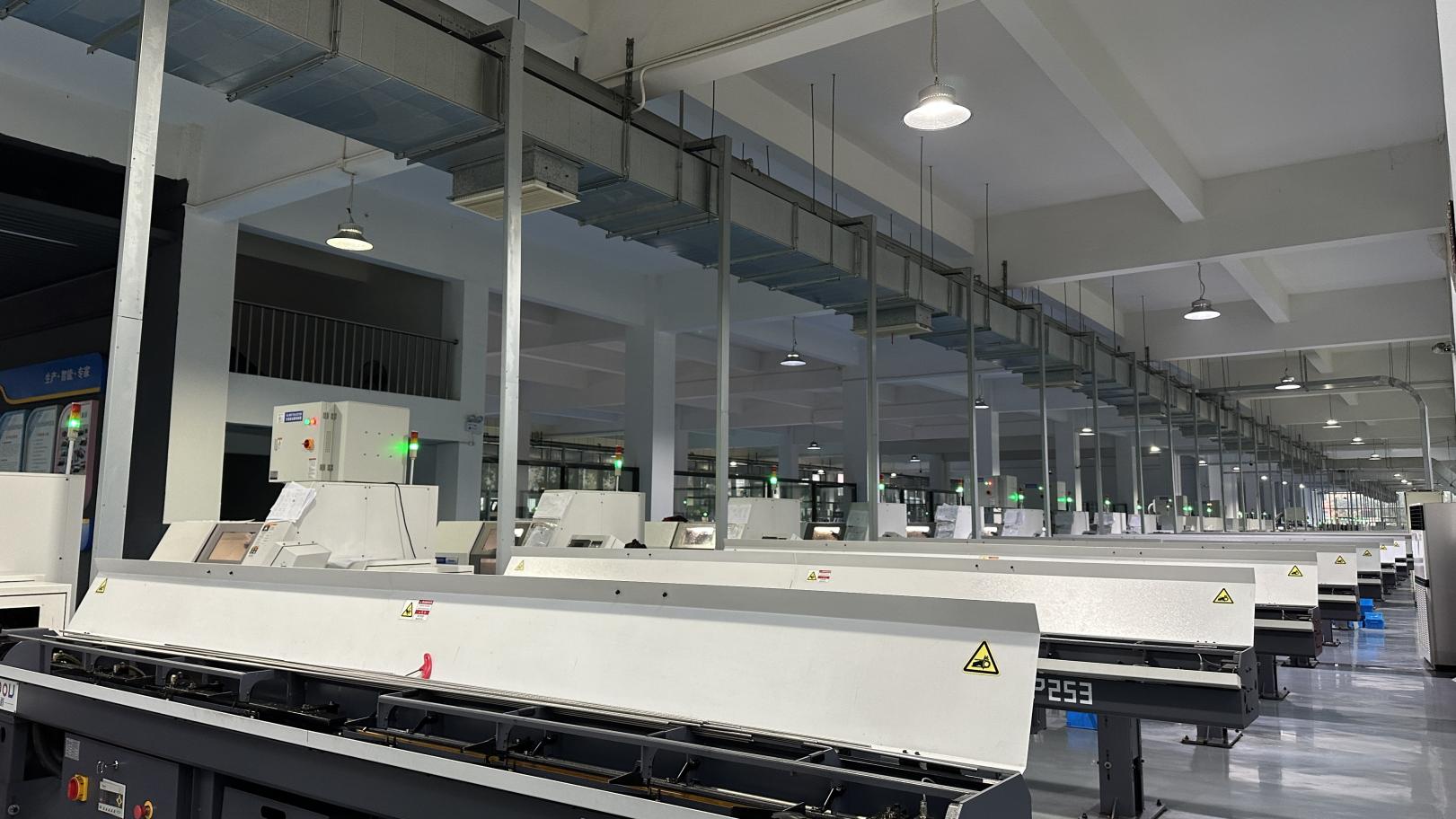
Figure 1: Zhejiang ZNG Medical's advanced automated needle assembly line showcasing ultra-precise component output.
The global vaccination equipment landscape is undergoing a systemic transition, driven by the rapid growth of complex macromolecular biologics, mRNA formulations, and targeted clinical pathways. Modern inoculation requirements extend far beyond standard fluid injection; they demand extreme structural integrity, chemical inertness, and minimization of active compound waste. Industry researchers and product designers are focusing heavily on the following technological advancements:
Procurement departments within ministries of health, multinational pharmaceutical distributors, and NGOs face complex logistical and compliance challenges. When importing clinical injection and diagnostic systems at scale, several key variables must be continuously verified:
| Procurement Challenge | Technical Requirement | ZNG Medical Factory Action Plan |
|---|---|---|
| Regulatory Compliance | CE MDR conformity, FDA registrations, and strict ISO 13485 alignment. | Comprehensive technical files provided, biocompatibility reports (ISO 10993) completed, and factory audits welcome. |
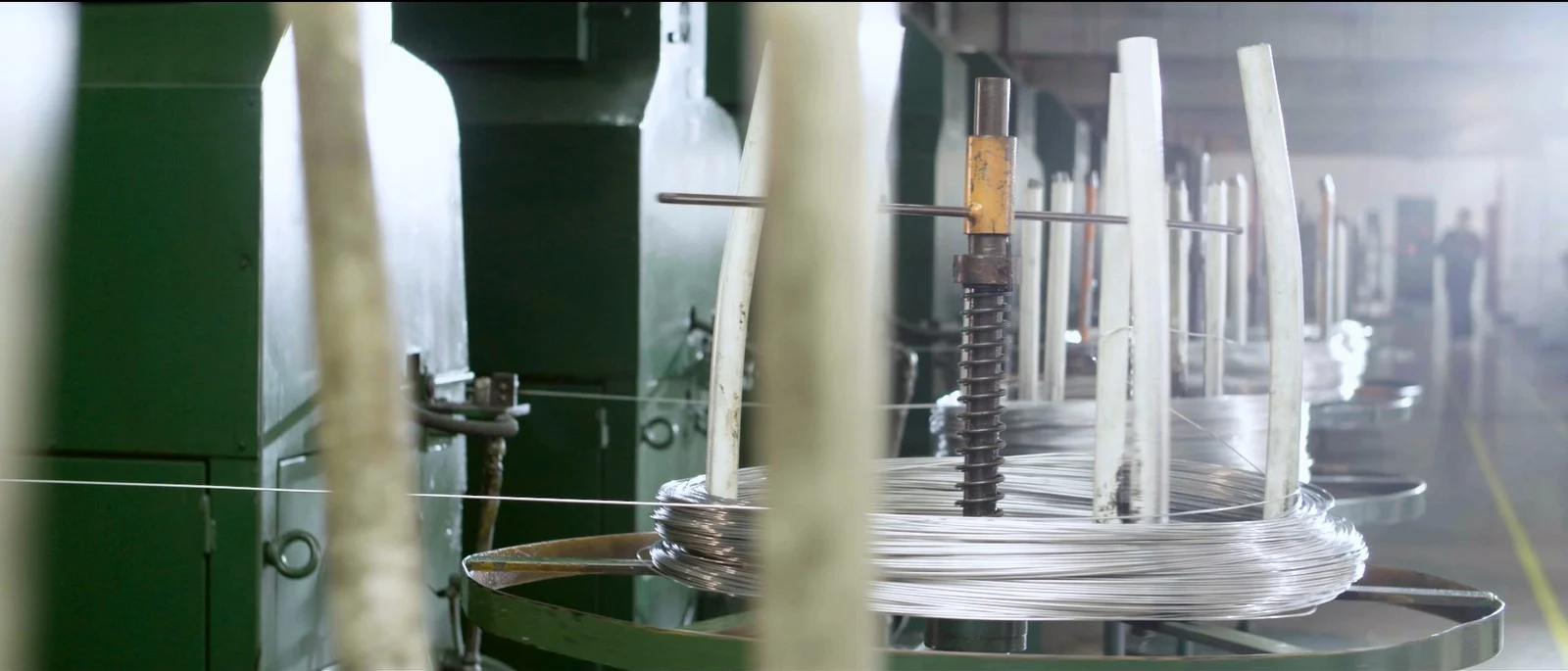
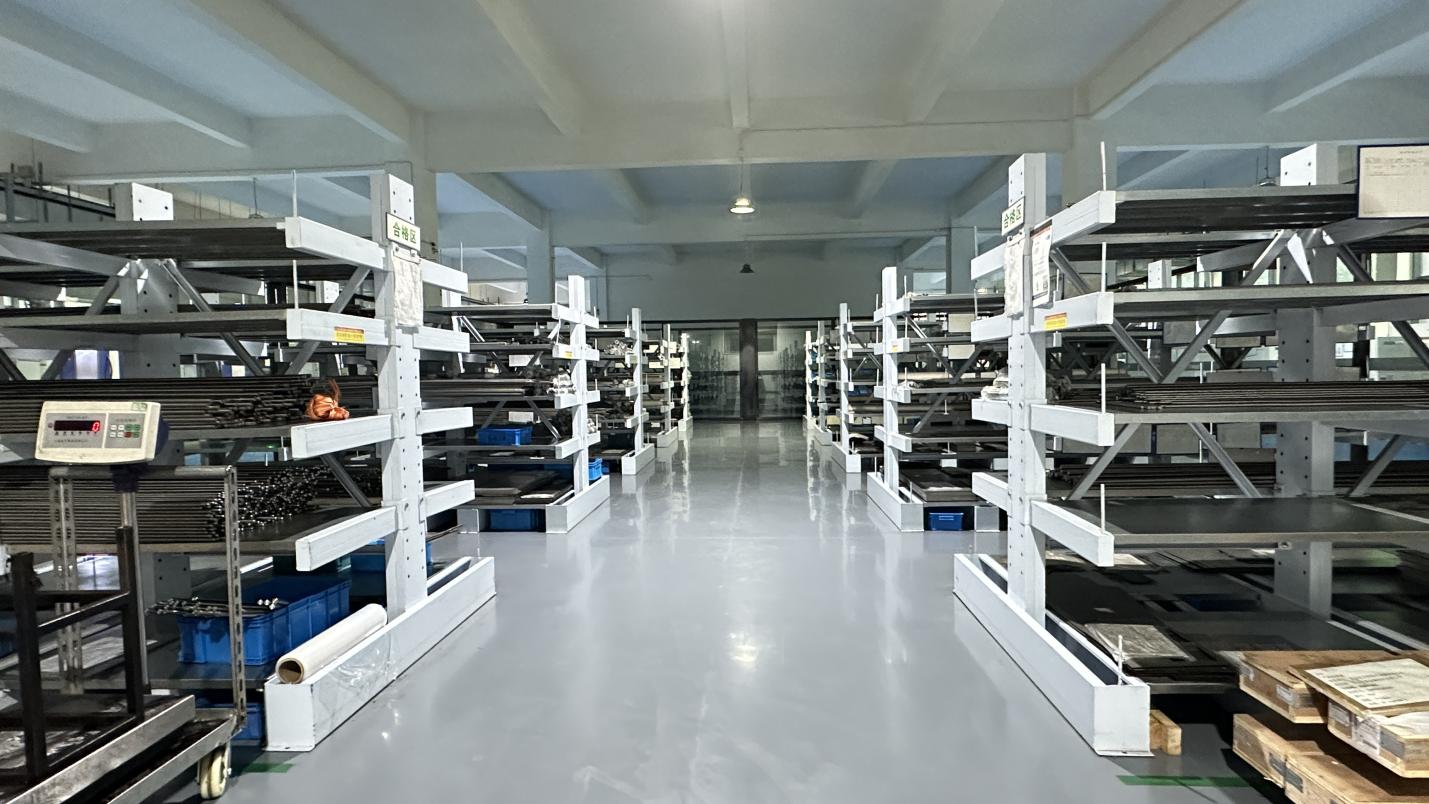
| Supply Security & Lead Time | Strict delivery schedules to sync with nationwide immunization campaigns. | High-capacity automated manufacturing with structured raw material buffers (AISI 304 wire, medical-grade PP resins). |
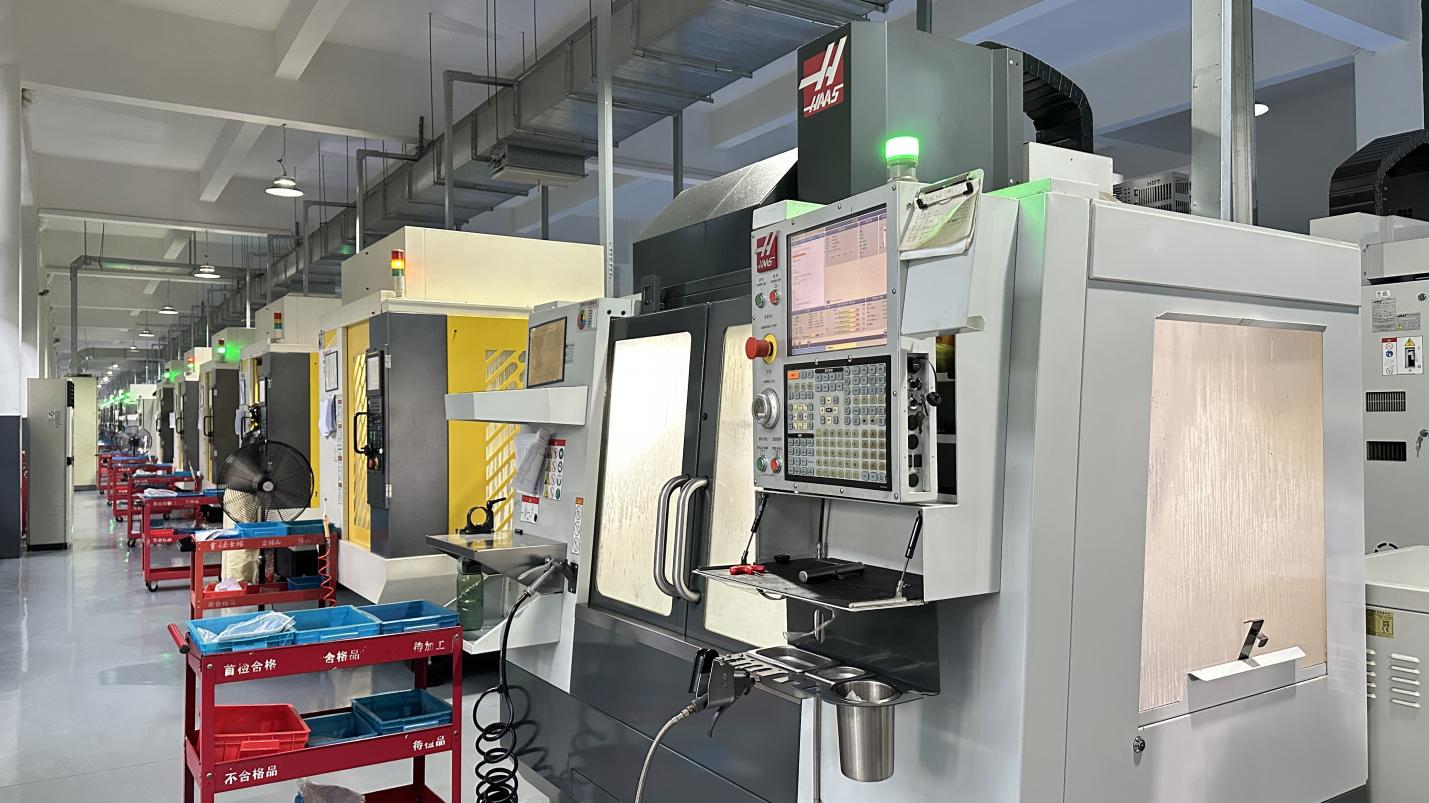
| Custom Needles & Specialty Tooling | Precise non-standard beveled edges, micro-cannula sizing, and specific hub coloration. | In-house high-precision mold workshop capable of developing specialized needles and plastic components based on custom drawings. |
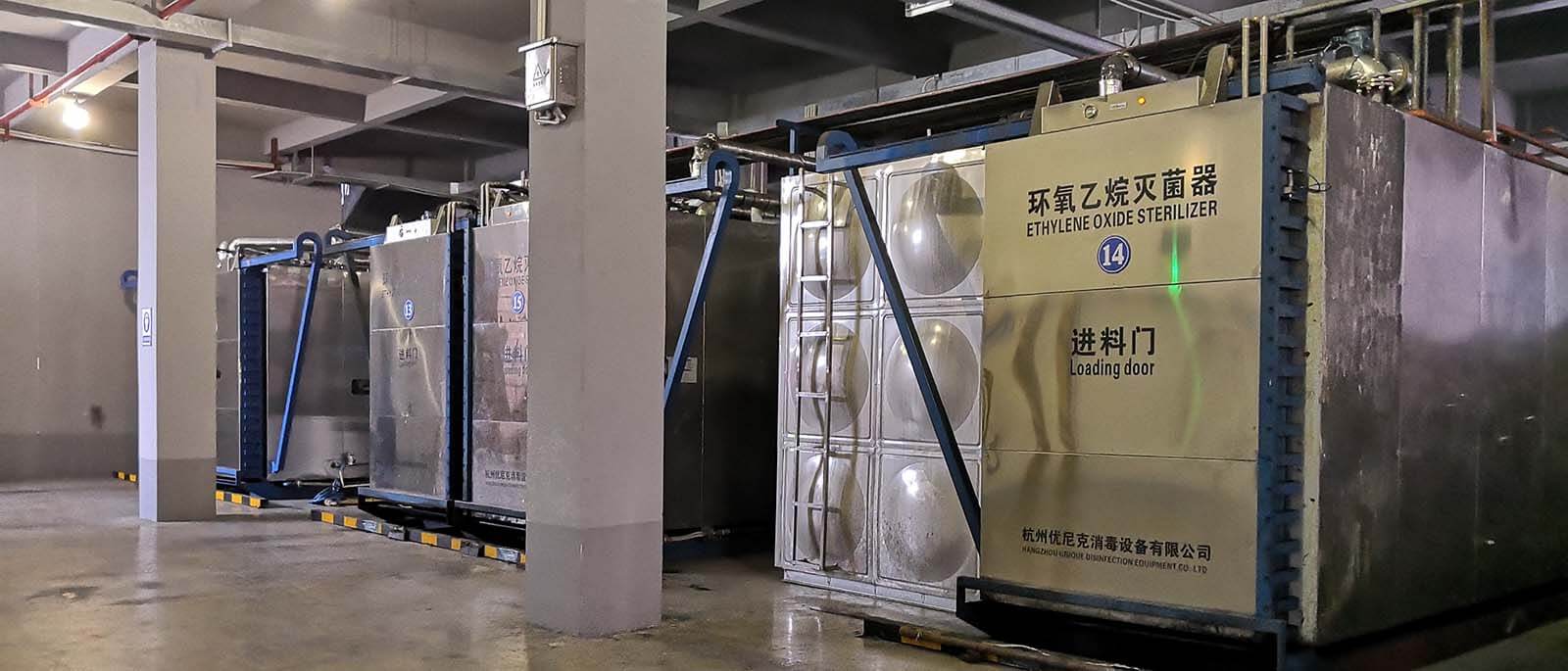
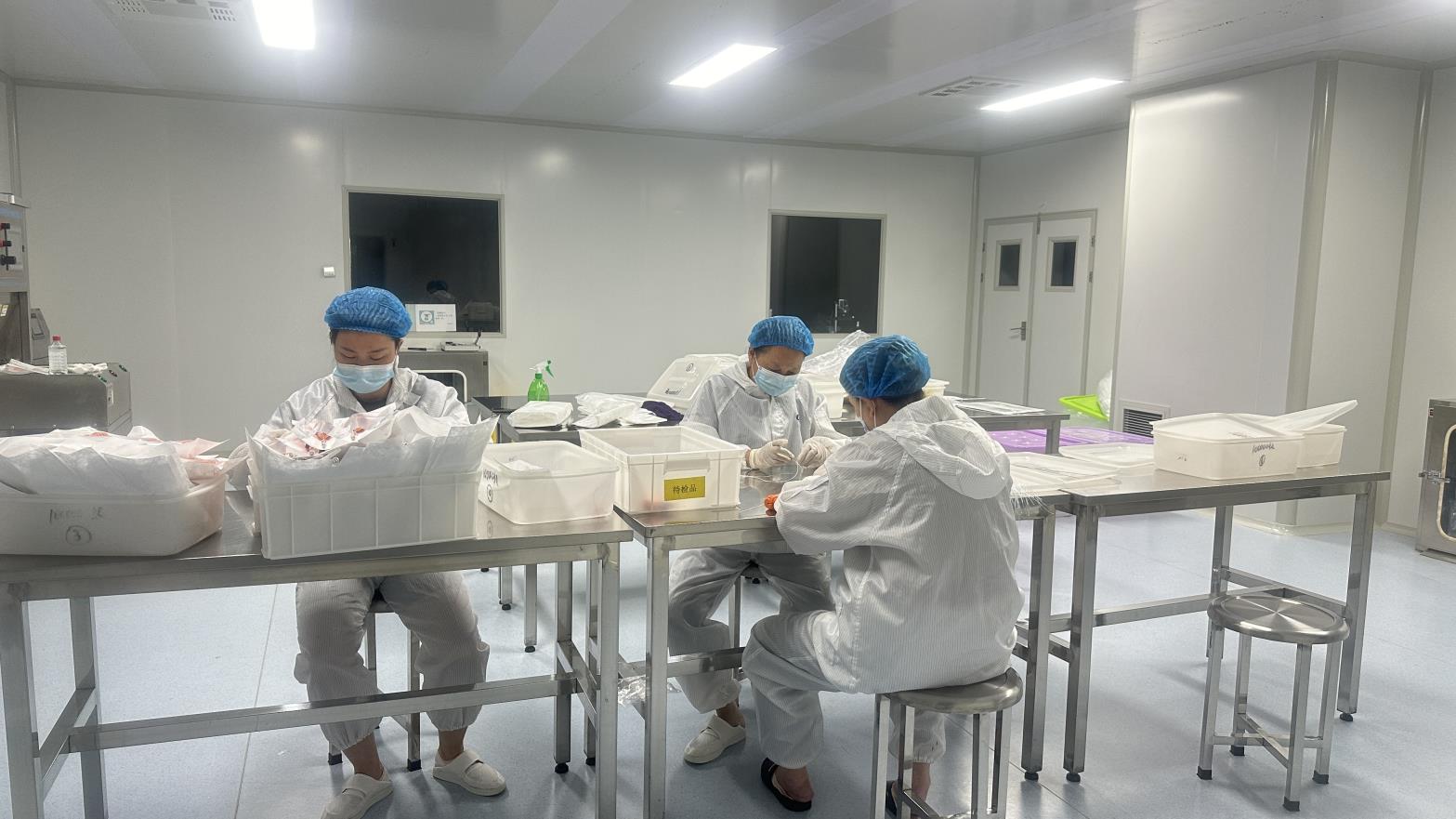
| Sterility & Bioburden Control | Consistent pyrogen-free batches with valid sterilization certificate codes. | Class 100,000 cleanroom assembly lines with batch-by-batch Ethylene Oxide (EO) sterilization validation. |
Through our established logistics network and support for flexible payment and shipping structures, we streamline the transit of medical consumables from our facility directly to global distribution centers. We handle all export document clearance, providing original certificates of origin, sterilization logs, and detailed packaging slip parameters.
Zhejiang ZNG Medical offers a comprehensive range of clinical and patient-care supplies, supporting global health networks beyond standard vaccine delivery. Our production capability encompasses an extensive array of high-precision, specialized needles designed for modern medical fields:
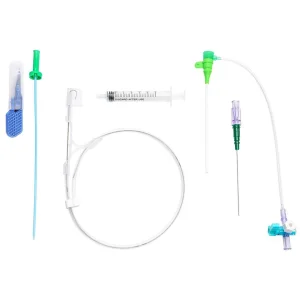
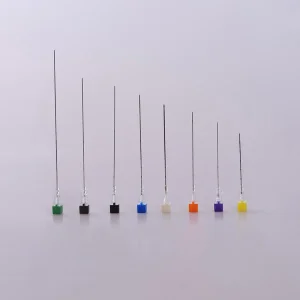
Pen needles, blood collection needles, spinal needles, dental needles, disposable hypodermic needles, and scalp vein sets optimized for minimal insertion force.
Epidural needles, Chiba needles, Huber needles (for chemotherapy ports), fistula needles, veterinary needles, and microcannula for fillers.
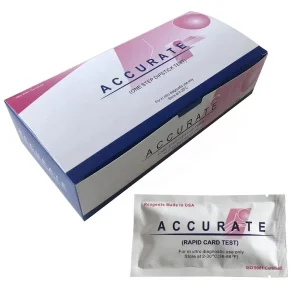
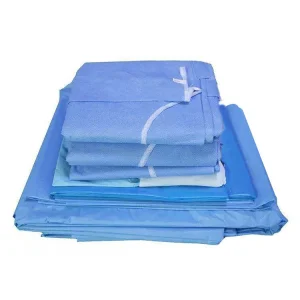
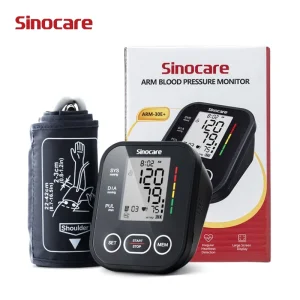
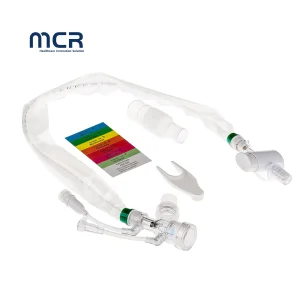
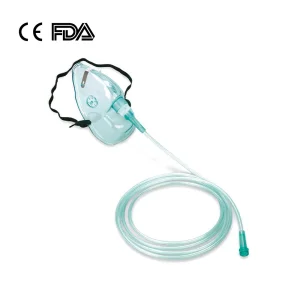
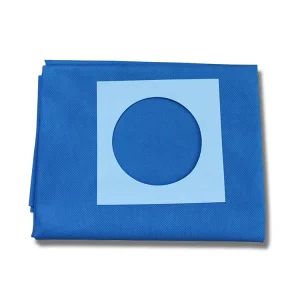
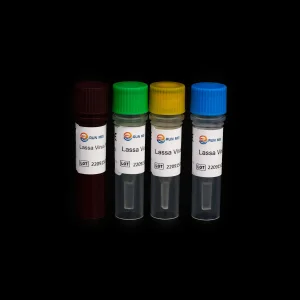
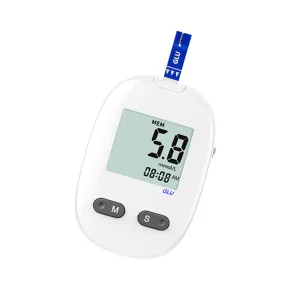
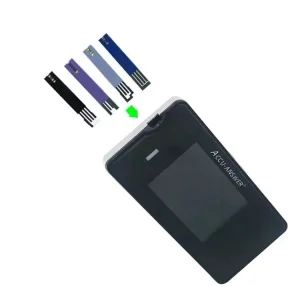
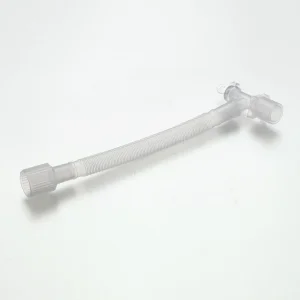
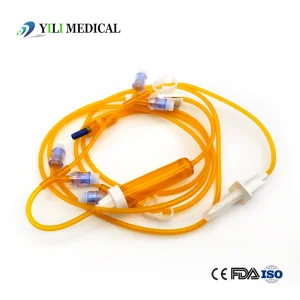
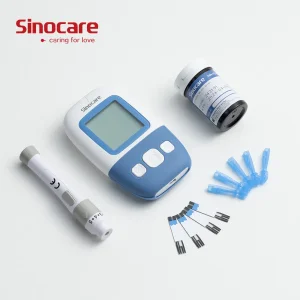
Anesthesia circuits, closed suction catheters, surgical drapes, diagnostic assays, blood glucose monitors, and oxygen masks for comprehensive clinical support.
We work closely with pharmaceutical partners to design custom delivery systems that match the molecular profile of their therapeutic agents, ensuring chemical compatibility and long-term shelf stability.
A structured, quality-controlled workflow is essential for converting clinical requirements into sterile medical devices. Our 12-step service process ensures transparency, traceability, and strict adherence to international medical device protocols:
Detailed analysis of custom drawings, gauge demands, needle beveled angles, and packaging specs.
Transparent pricing, detailing tooling costs, MOQ, packaging options, and logistics estimates.
Prototyping and shipping free samples to the customer's laboratory for testing and approval.
Customer reviews sample performance and issues a formal Purchase Order (PO).
Issuing the Proforma Invoice (PI) with clear manufacturing, shipping, and banking parameters.
Securing the down-payment to initiate production and lock in raw materials.
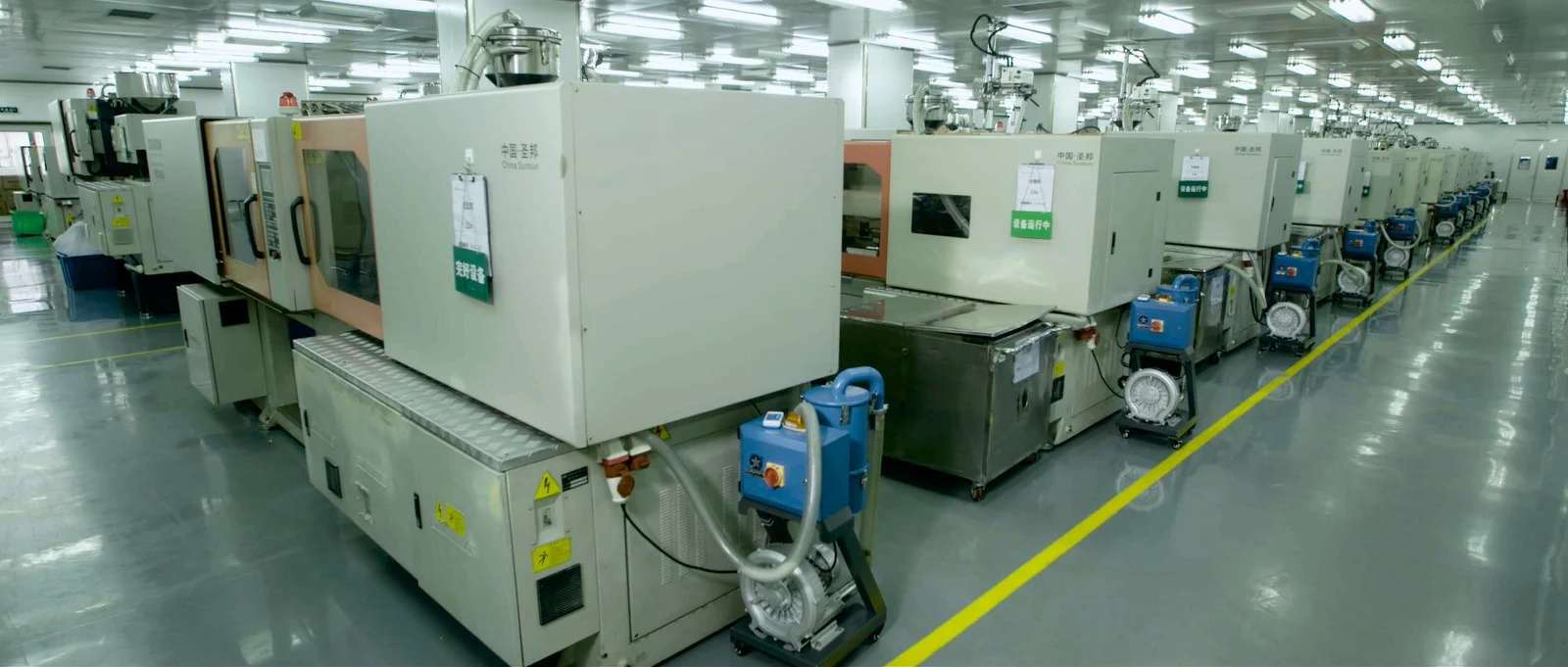
Automated extrusion, injection molding, needle gluing, assembly, and sterilization.
Real-time visual reports of manufacturing progress, packaging batches, and sterilization runs.
Customer reviews QC reports and settles the outstanding contract balance.
Coordinating with freight forwarders for sea, air, or express delivery schedules.
Dispatching cargo from our factory with temperature logs and secure transport tracking.
Providing the Bill of Lading, COA, packing list, and customs clearance documents.
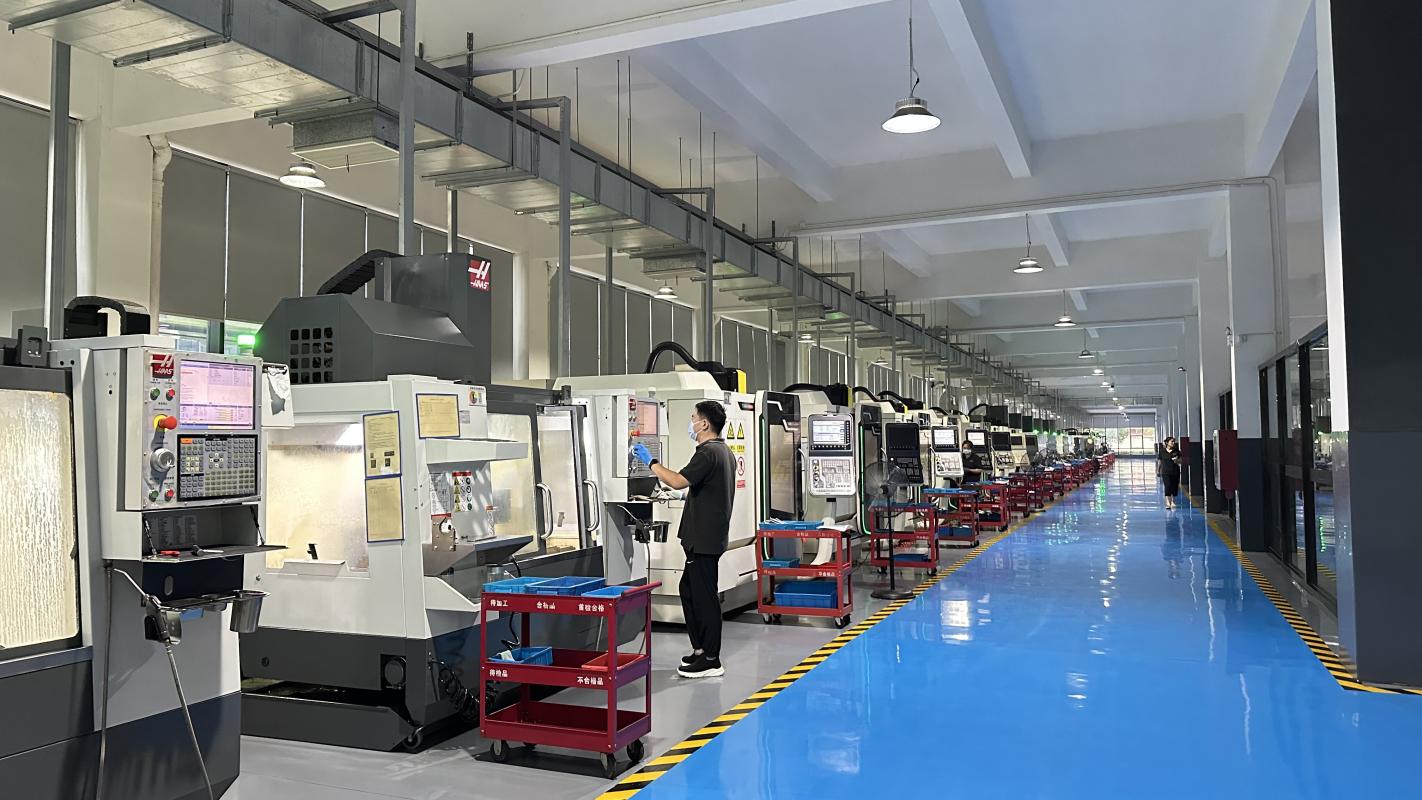
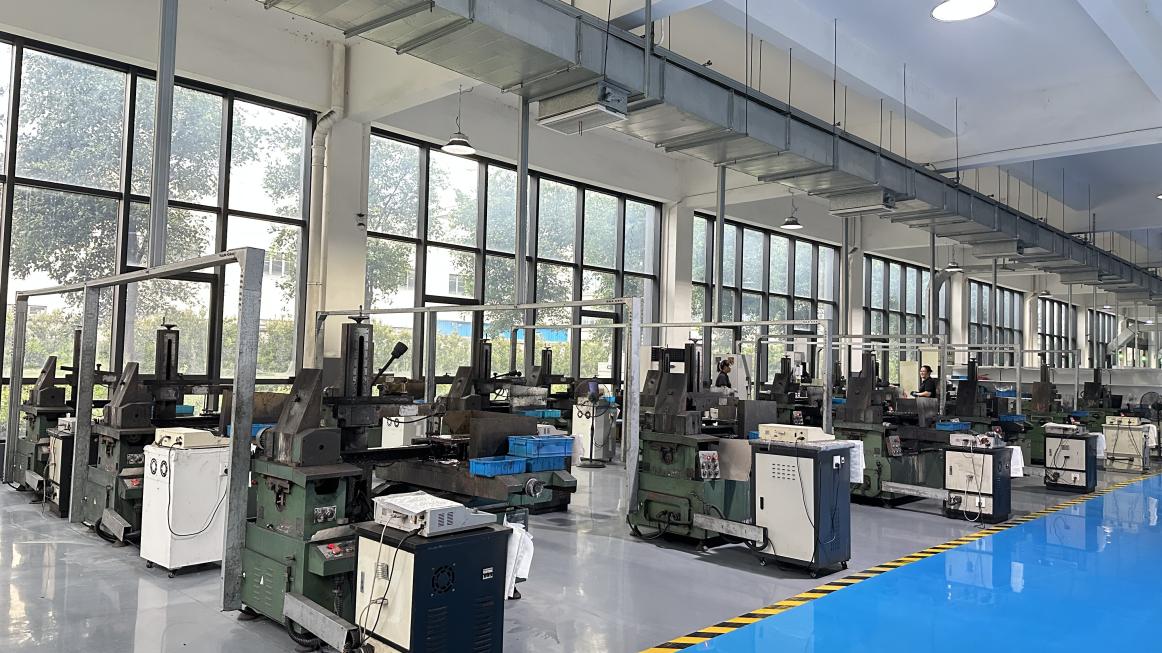
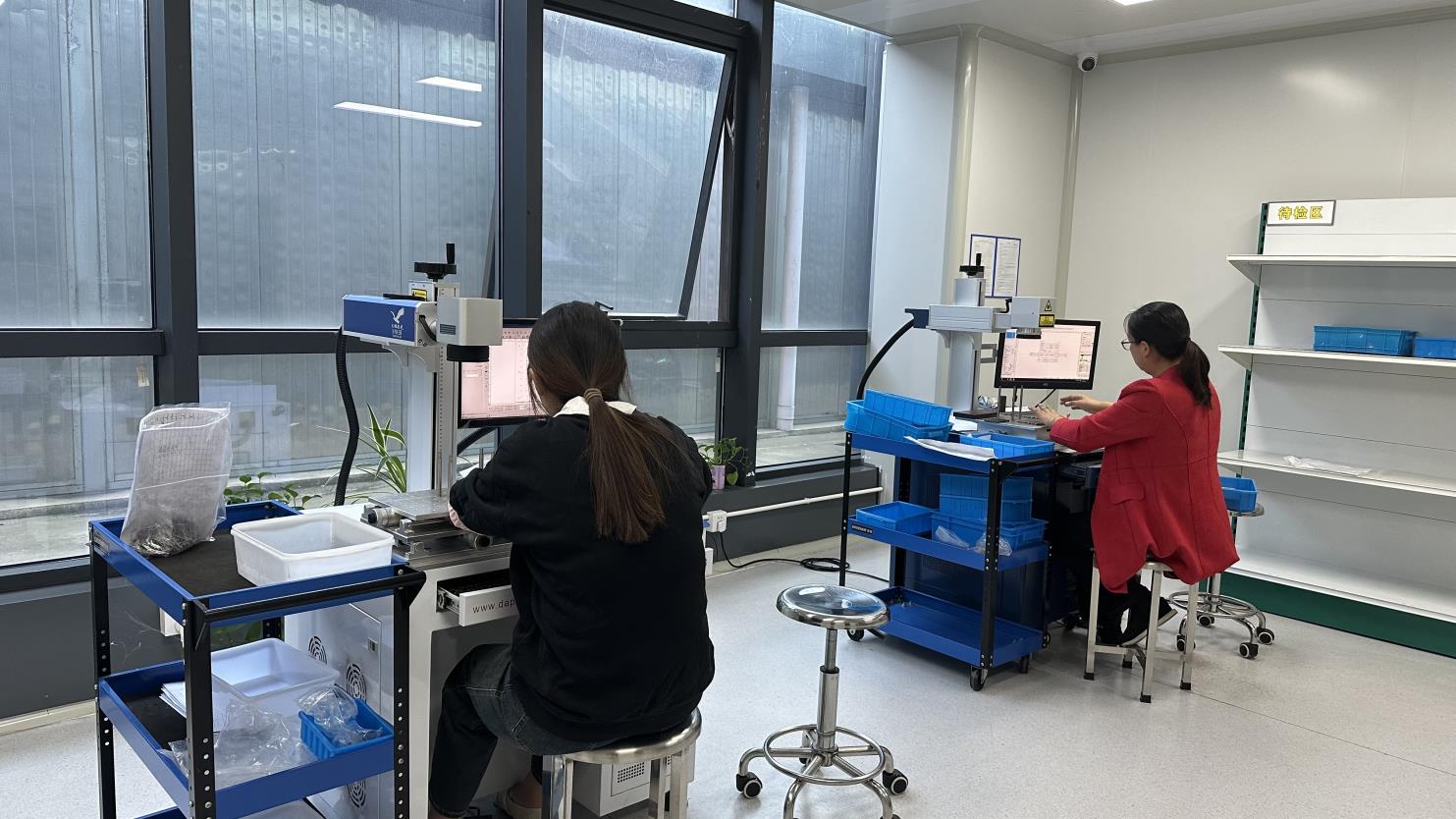
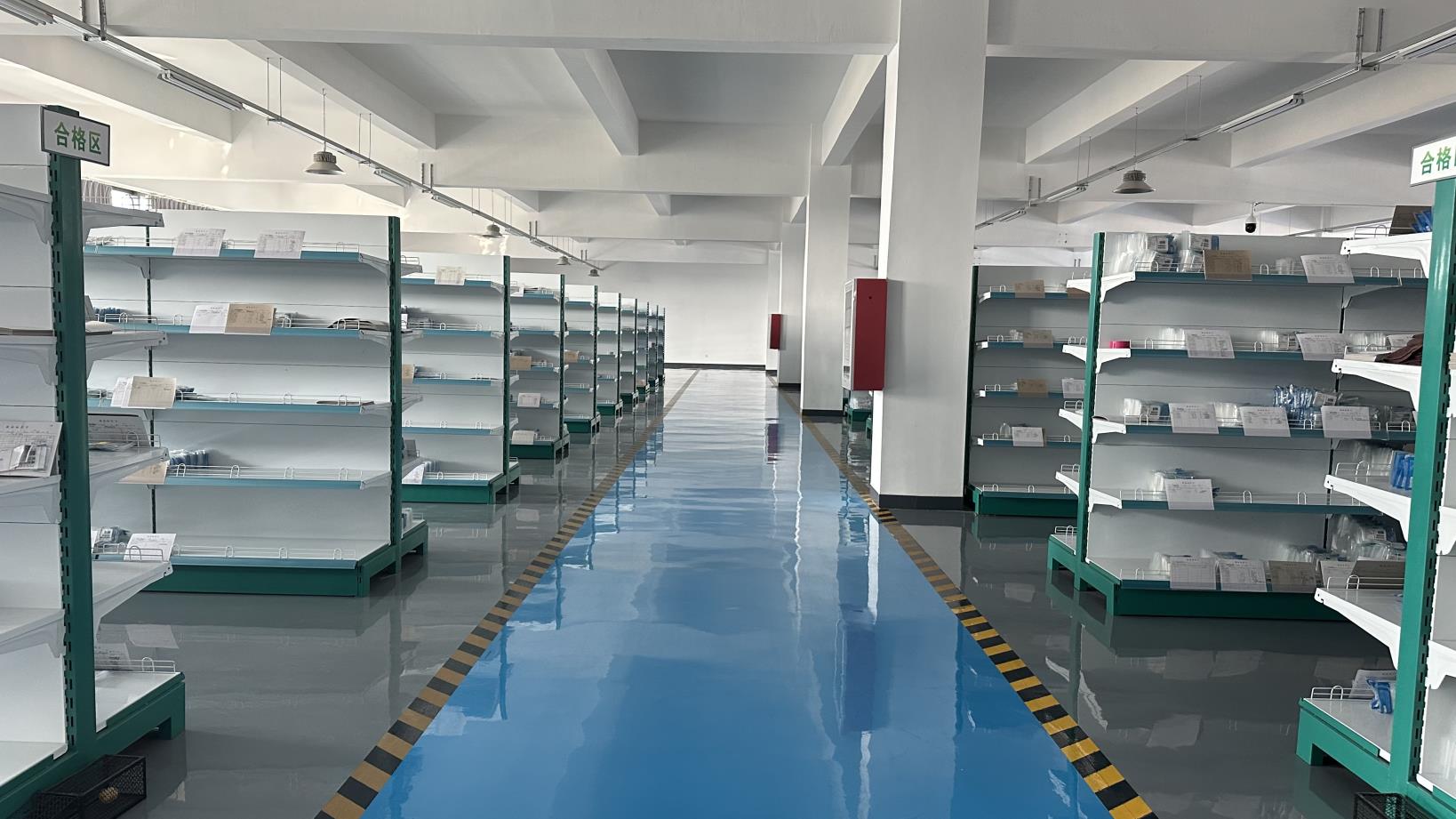
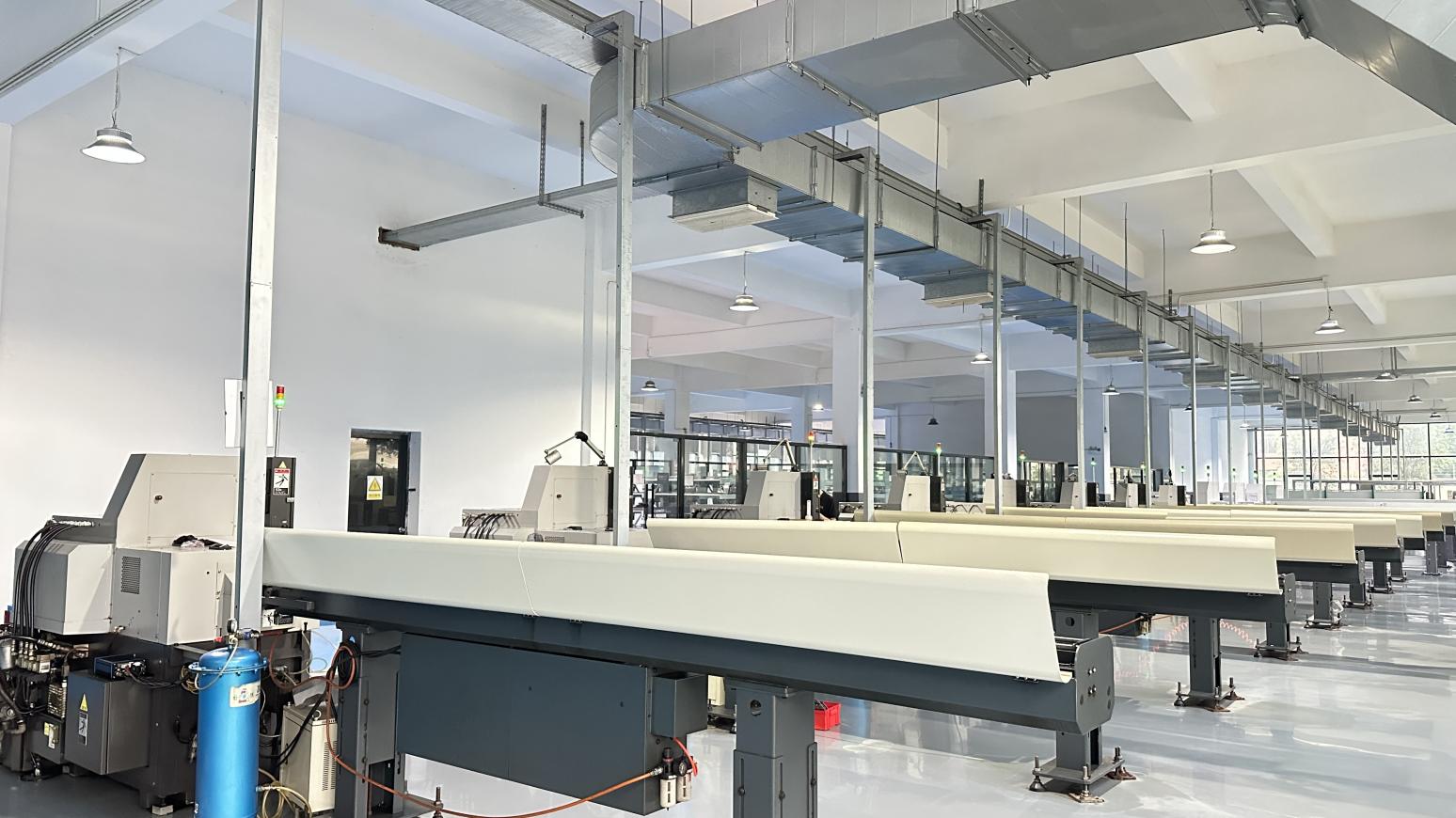
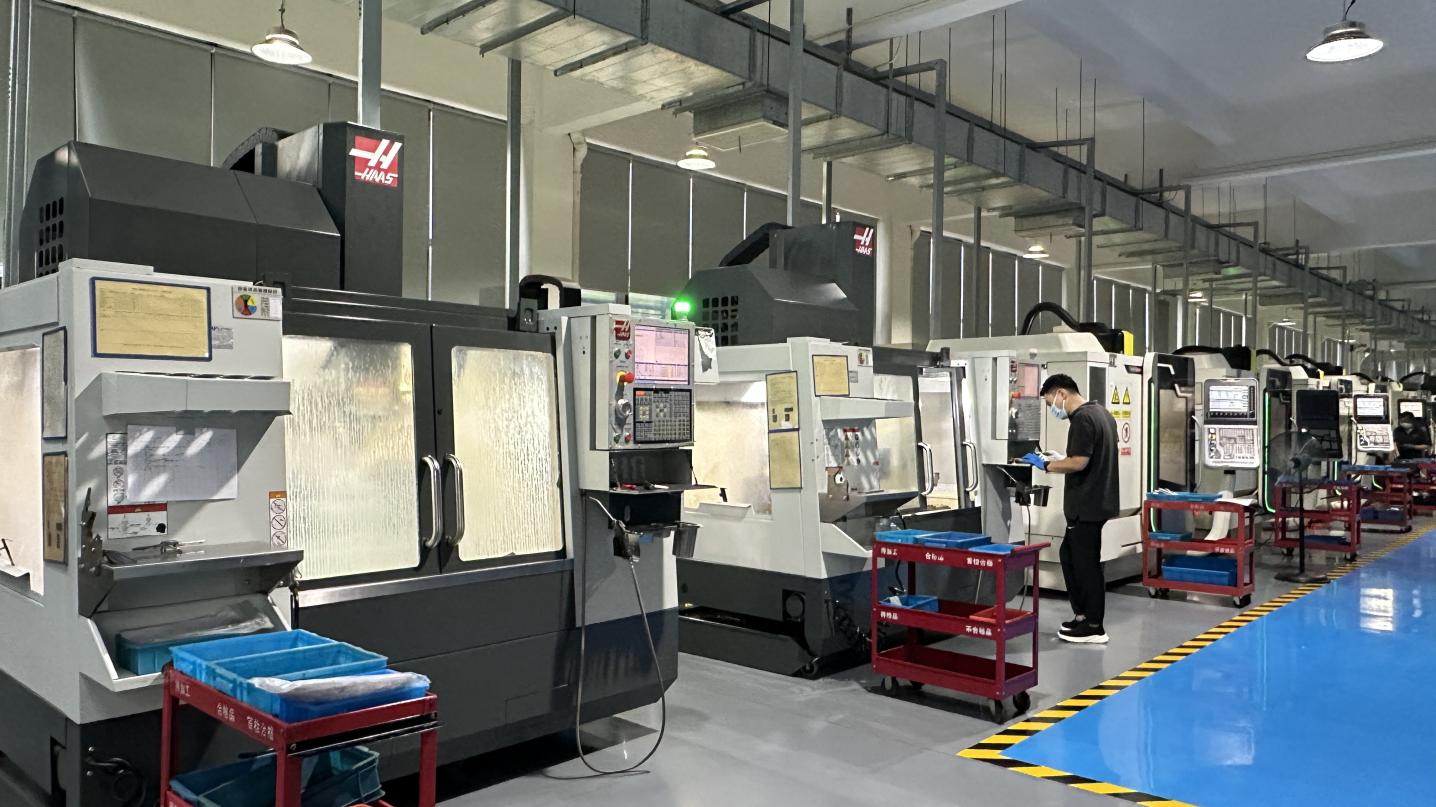
Our production facilities utilize modern technology and maintain strict cleanroom protocols. The manufacturing flow is monitored at every stage, from automated polymer molding to the packaging of sterile medical components:
Looking toward 2030, Zhejiang ZNG Medical continues to focus on developing next-generation medical delivery devices. Our technological roadmap includes: