ZNG Medical
ZNG Medical
ZNG Medical
Explore our elite selection of CE, FDA, and ISO-approved medical consumables, diagnostic tools, and clinical apparatuses engineered for high-performance outcomes.
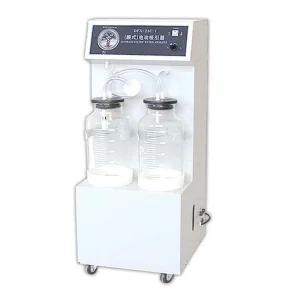
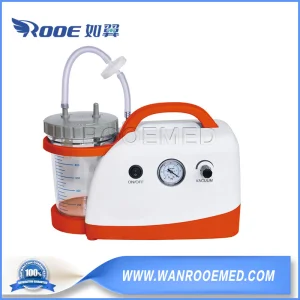 High Quality Portable First Aid Emergency Medical Equipment Ambulance Suction Apparatus Unit Device
Inquire Now
High Quality Portable First Aid Emergency Medical Equipment Ambulance Suction Apparatus Unit Device
Inquire Now
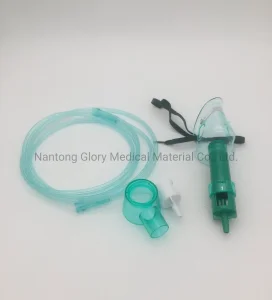
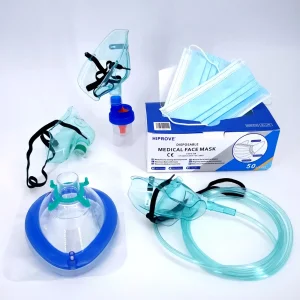 Medical Surgical Disposable Oxygen Reservoir Bag PVC Supplies Bipap Non-Woven 3ply CPAP CPR Breathing Nebulizer KN95 Anesthesia Type Iir Tracheostomy Face Mask
Inquire Now
Medical Surgical Disposable Oxygen Reservoir Bag PVC Supplies Bipap Non-Woven 3ply CPAP CPR Breathing Nebulizer KN95 Anesthesia Type Iir Tracheostomy Face Mask
Inquire Now
Cardiovascular diseases (CVDs) remain the leading cause of mortality globally. High blood cholesterol levels directly correlate with the onset of atherosclerosis, stroke, and ischemic heart diseases. Consequently, clinical interventions place high priority on monitoring lipid panels, which measure Total Cholesterol (TC), High-Density Lipoprotein Cholesterol (HDL-C), Low-Density Lipoprotein Cholesterol (LDL-C), and Triglycerides (TG).
Traditional venipuncture method diagnostics are increasingly complemented, and in some areas replaced, by Point-of-Care Testing (POCT) cholesterol meters. These devices utilize dry chemistry analysis, reflectance photometry, or electrochemical biosensors to deliver laboratory-grade results within minutes from a single drop of capillary whole blood. This paradigm shift from centralized labs to decentralized testing sites is driving high demand for reliable, accurate, and cost-effective testing devices globally.
This report highlights the top 10 global manufacturers and suppliers of cholesterol and lipid testing equipment, illustrating structural changes in supply chains, localized application cases, and critical considerations for global medical B2B buyers looking to streamline procurement.
Deciphering the manufacturing efficiencies, supply chain integration, and technological growth of medical device factories in China.
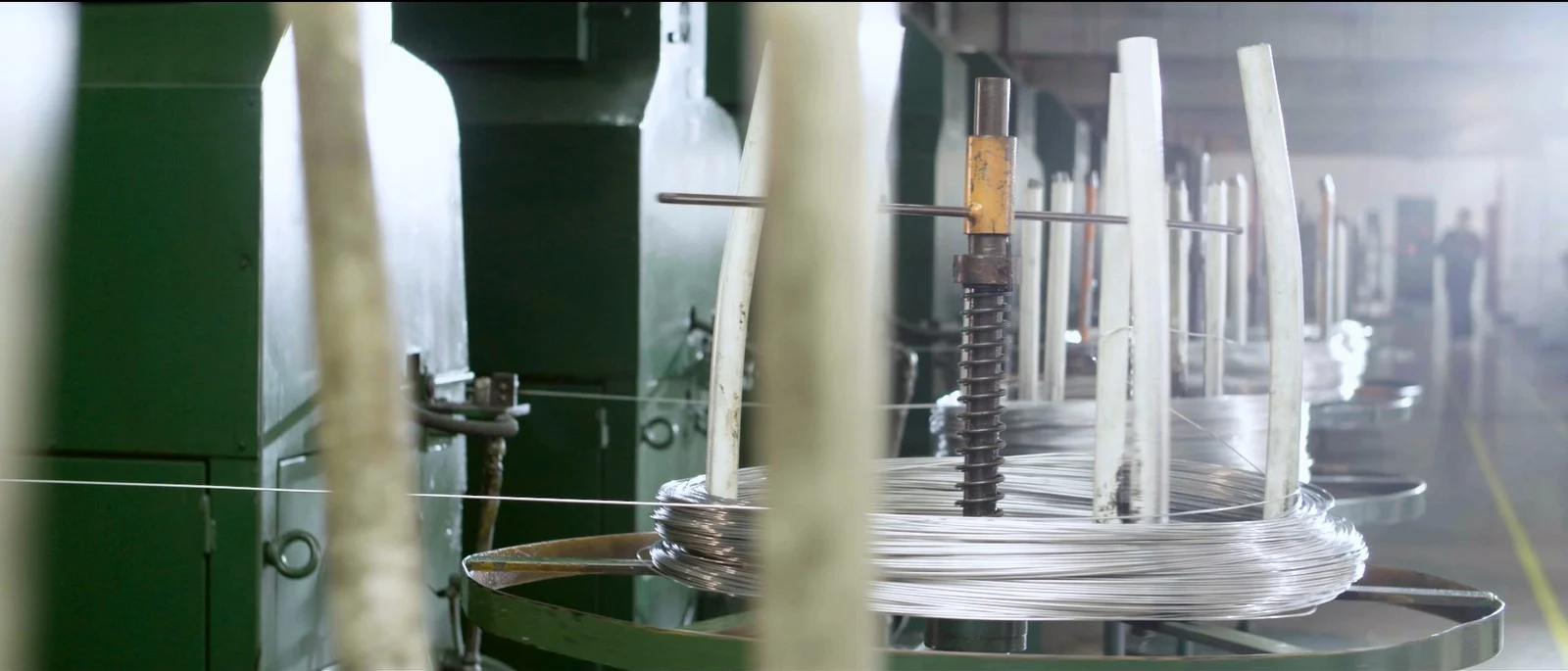
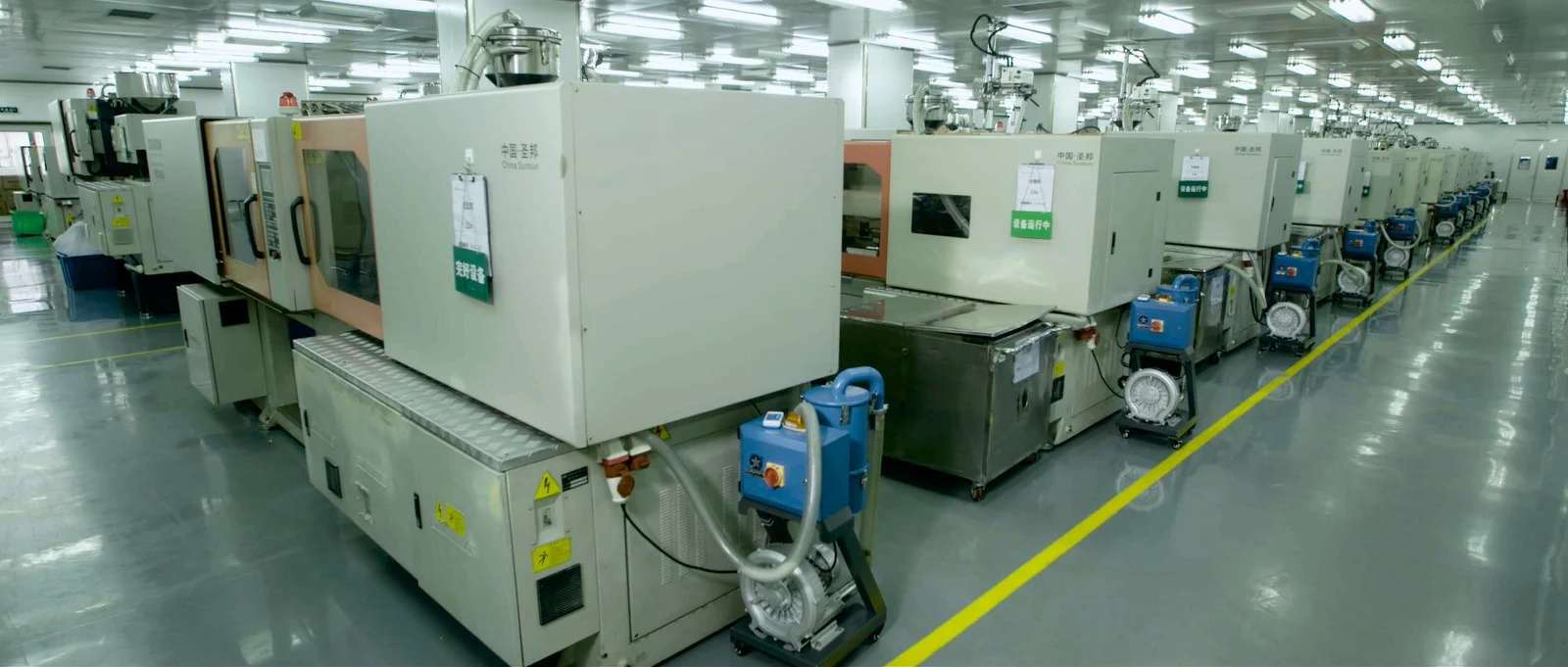
Chinese factories are situated in comprehensive industrial clusters in Zhejiang, Jiangsu, and Guangdong. This allows manufacturers to source sensors, optical lenses, microchips, and cleanroom packaging within a 50-mile radius, dramatically lowering logistics overheads and production cycle times compared to Western counterparts.
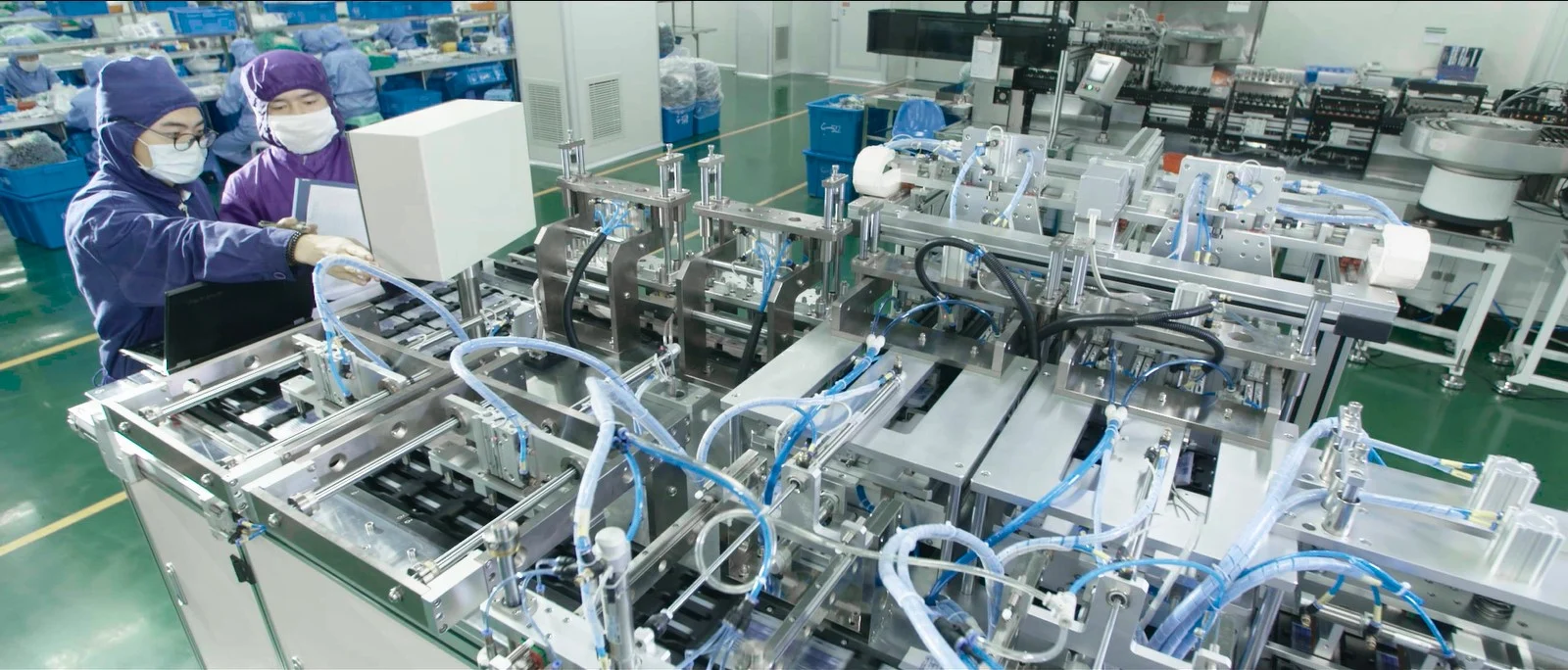
By shifting to semi-automated and fully automated sensor dispensing and strip cutting machinery, modern factories minimize human error and ensure consistency. The high-volume manufacturing capabilities support massive orders for global NGOs, healthcare systems, and private label distributors.
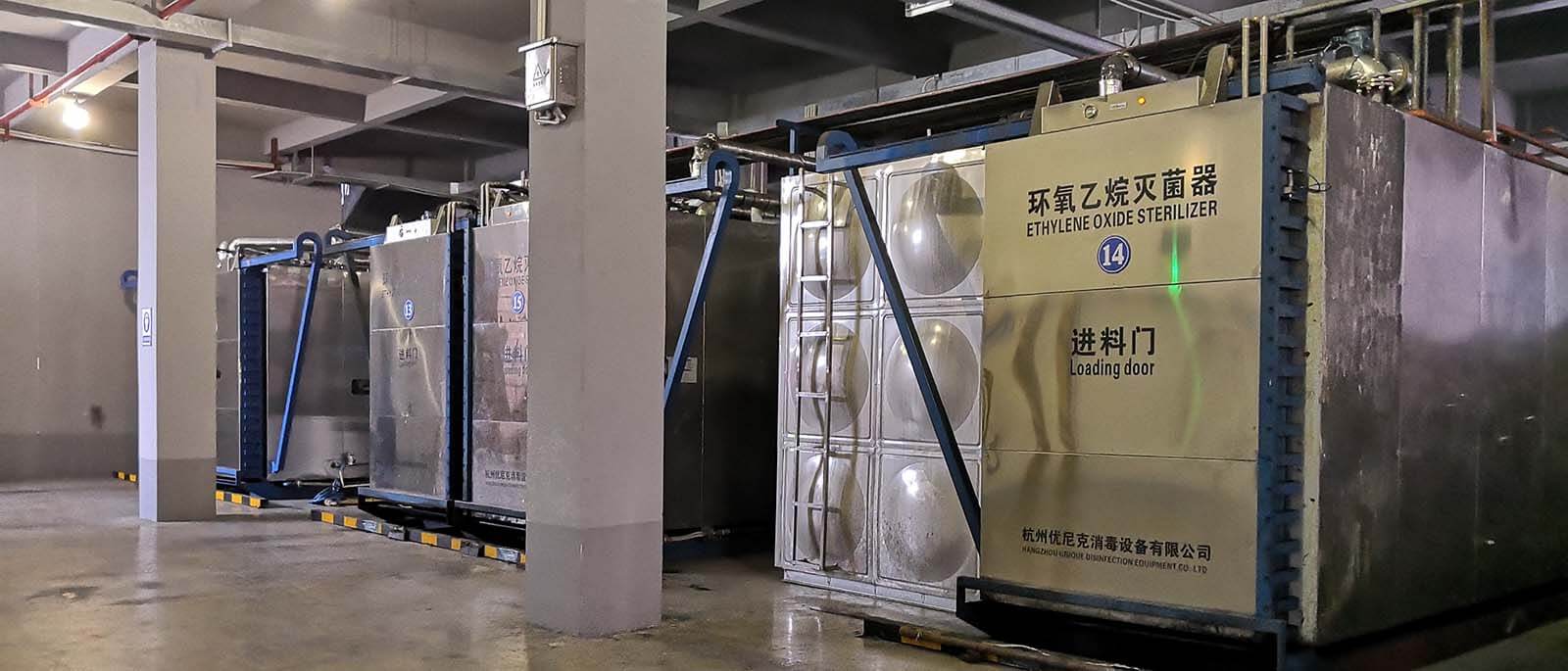
Top Chinese medical equipment suppliers focus heavily on standard compliance. Aligning with certifications like CE (under the new In Vitro Diagnostic Regulation - IVDR), US FDA clearance, and ISO 13485 ensures that devices meet strict regulatory requirements globally, minimizing import risks.
Over 25 years of medical hardware design, production, and certification experience serving international partners.
Zhejiang ZNG Medical, founded in 1996, is a premier medical device manufacturer dedicated to researching, developing, and producing precision injection products and surgical consumables. Operating under the ISO 9001 quality system and carrying CE product certifications, we deliver safe, reliable, and highly efficient medical supplies to global markets.
Our deep expertise extends across an extensive list of precision hardware, custom injection components, and specialty needles designed for clinical safety:
Needles & Components Portfolio: Pen needles, blood collection needles, spinal needles, dental needles, disposable needles, epidural needles, chiba needles, huber needles, fistula needles, microcannulas for fillers, various irrigation needles, blunt needles, biopsy needles, introducer needles, scalp vein sets, and veterinary needles. We specialize in the custom development of special needles according to customer drawings, including rapid new product design and mold creation.
ZNG Medical Mission: We are committed to public health needs. By listening closely to customer requirements and focusing on continuous service improvement, we gain a deep understanding of patient and healthcare provider challenges. This feedback loop helps us refine existing lines and pioneer new diagnostic and medical products.

To ensure alignment from specification to final shipping, ZNG Medical utilizes a 12-step structured development process:
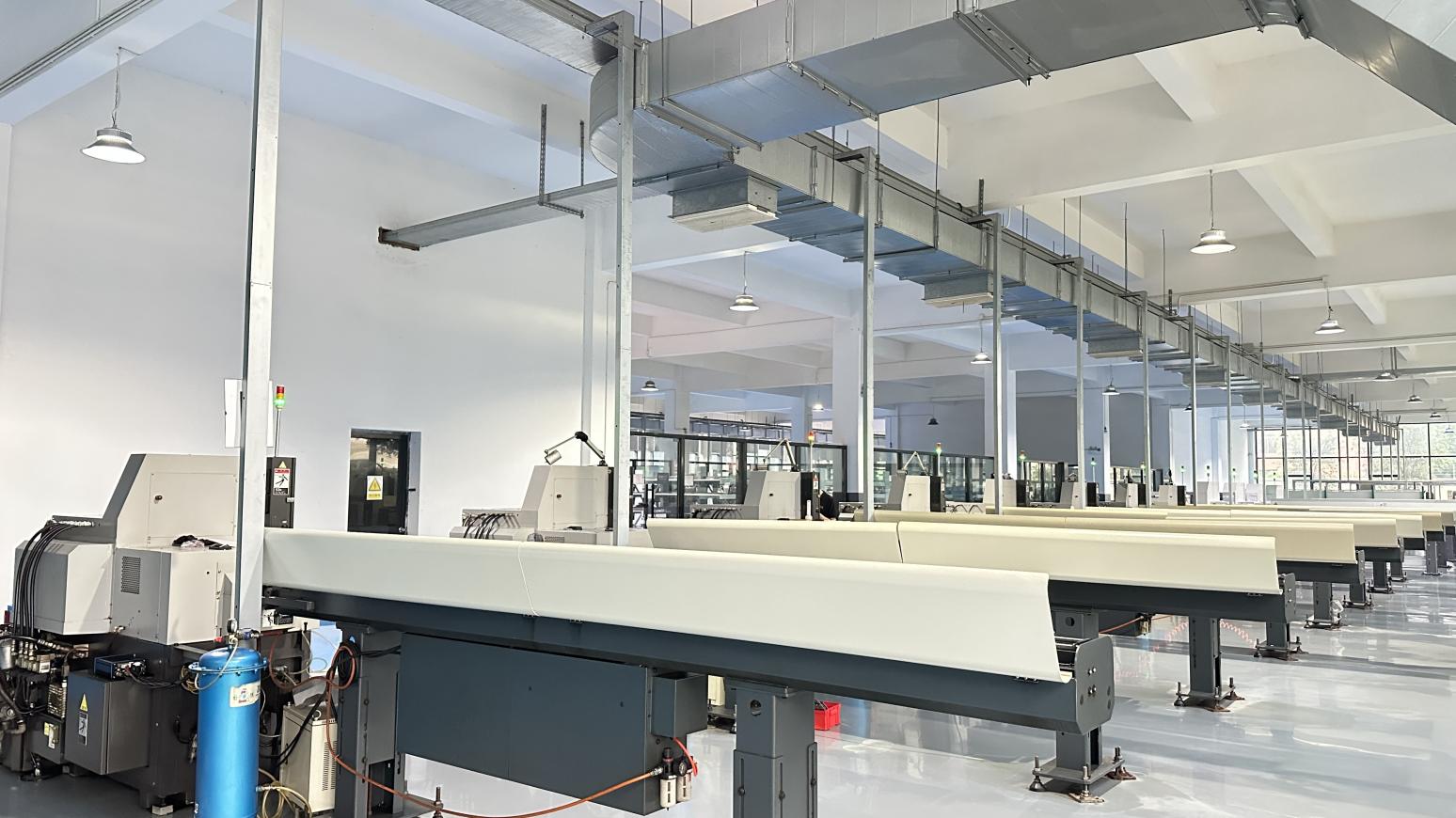
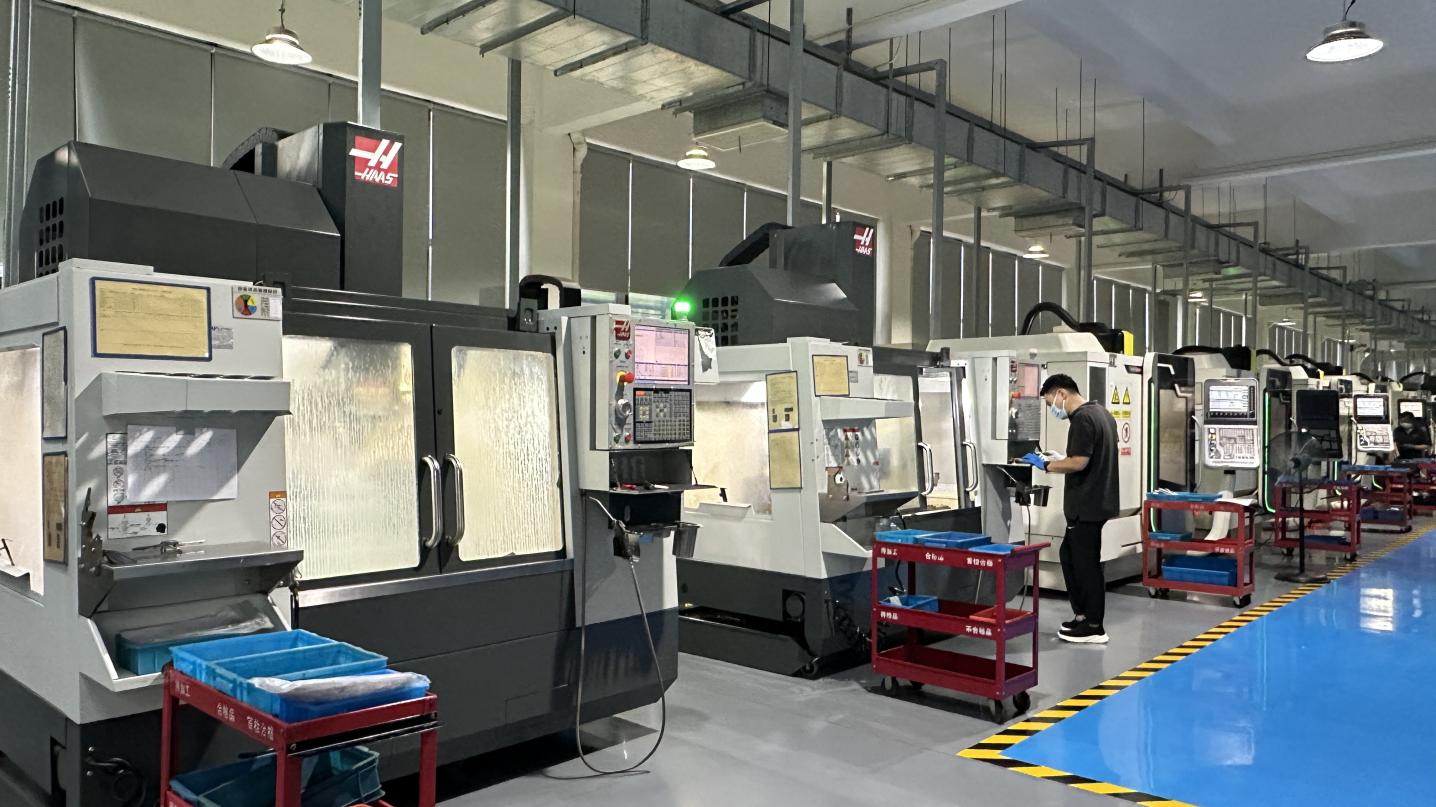
Our processing centers utilize high-precision molds and class-100,000 cleanrooms to ensure compliance with strict medical biosafety guidelines.
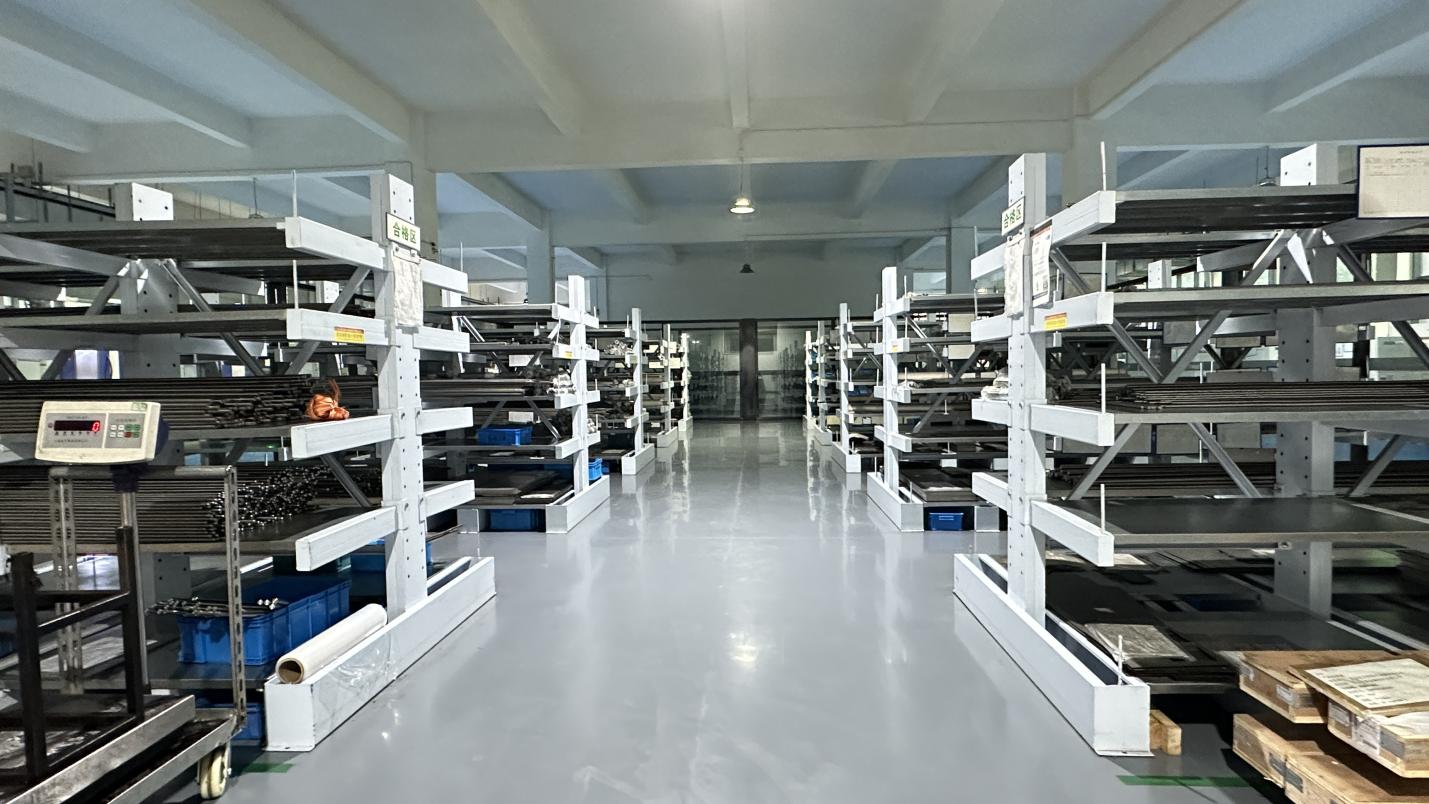
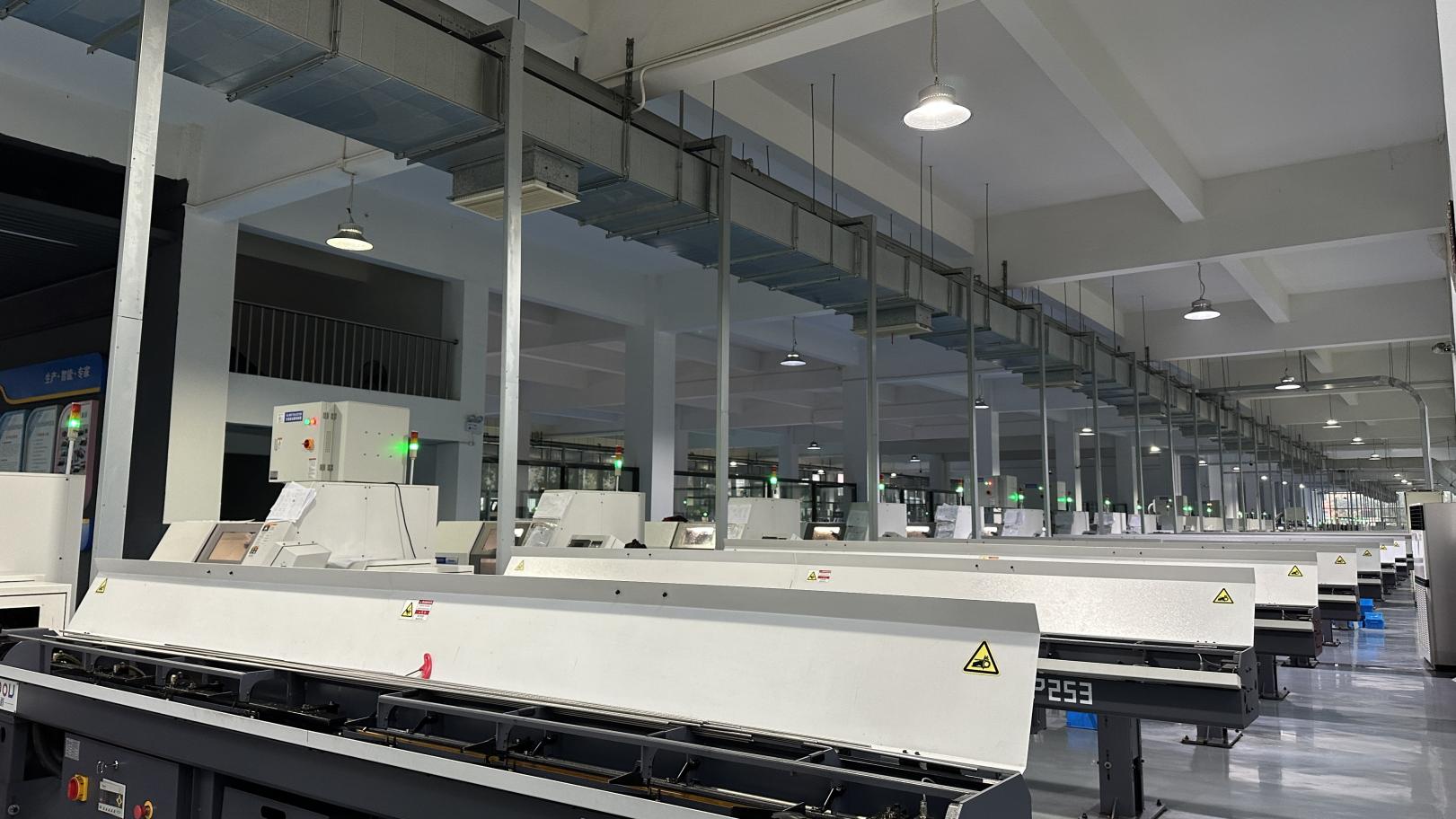
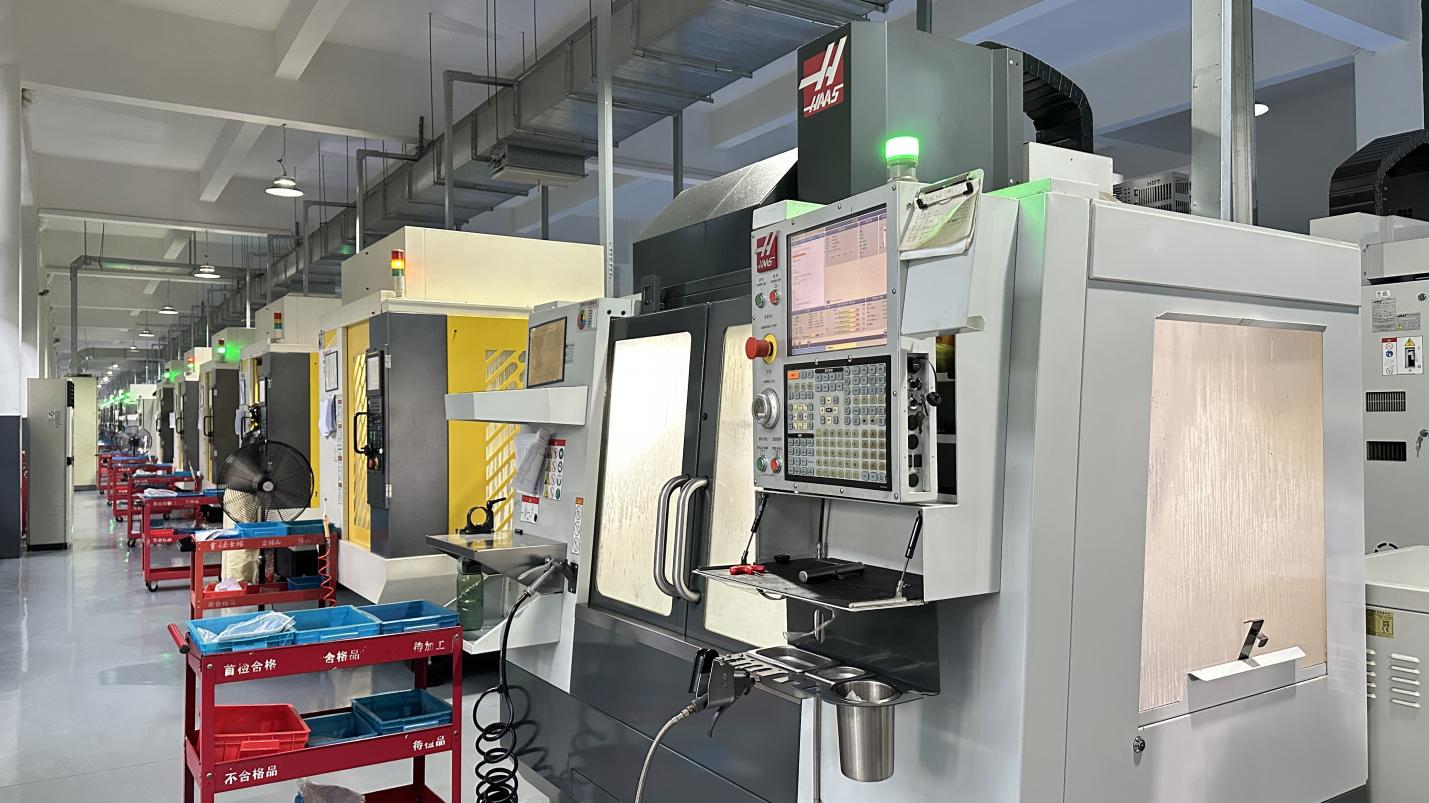
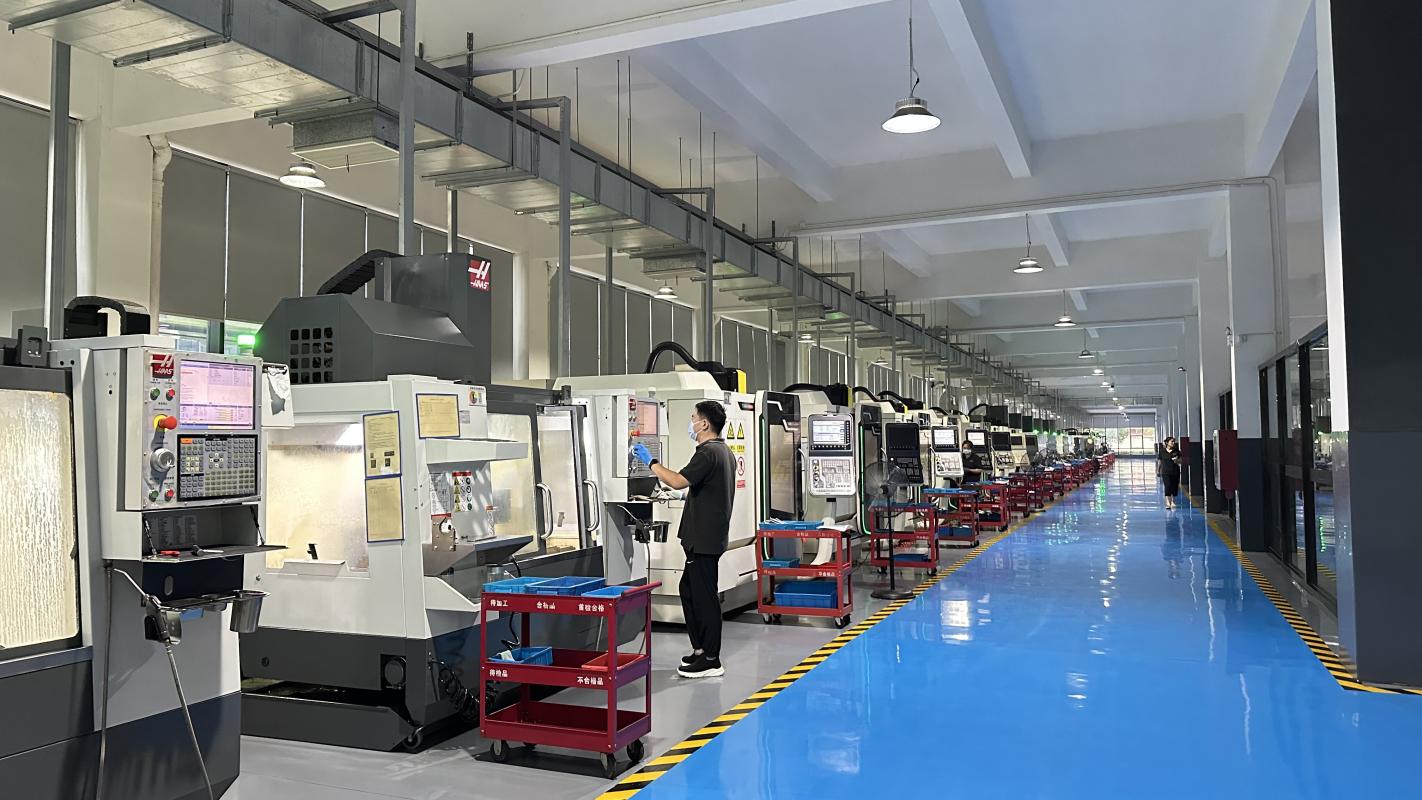
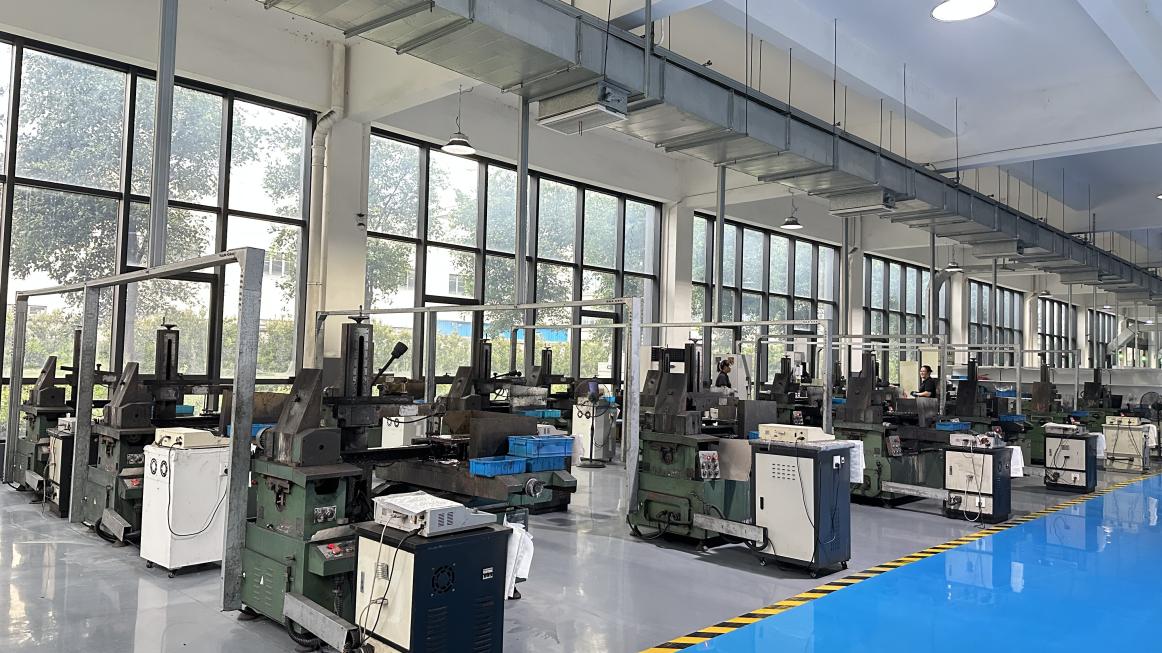
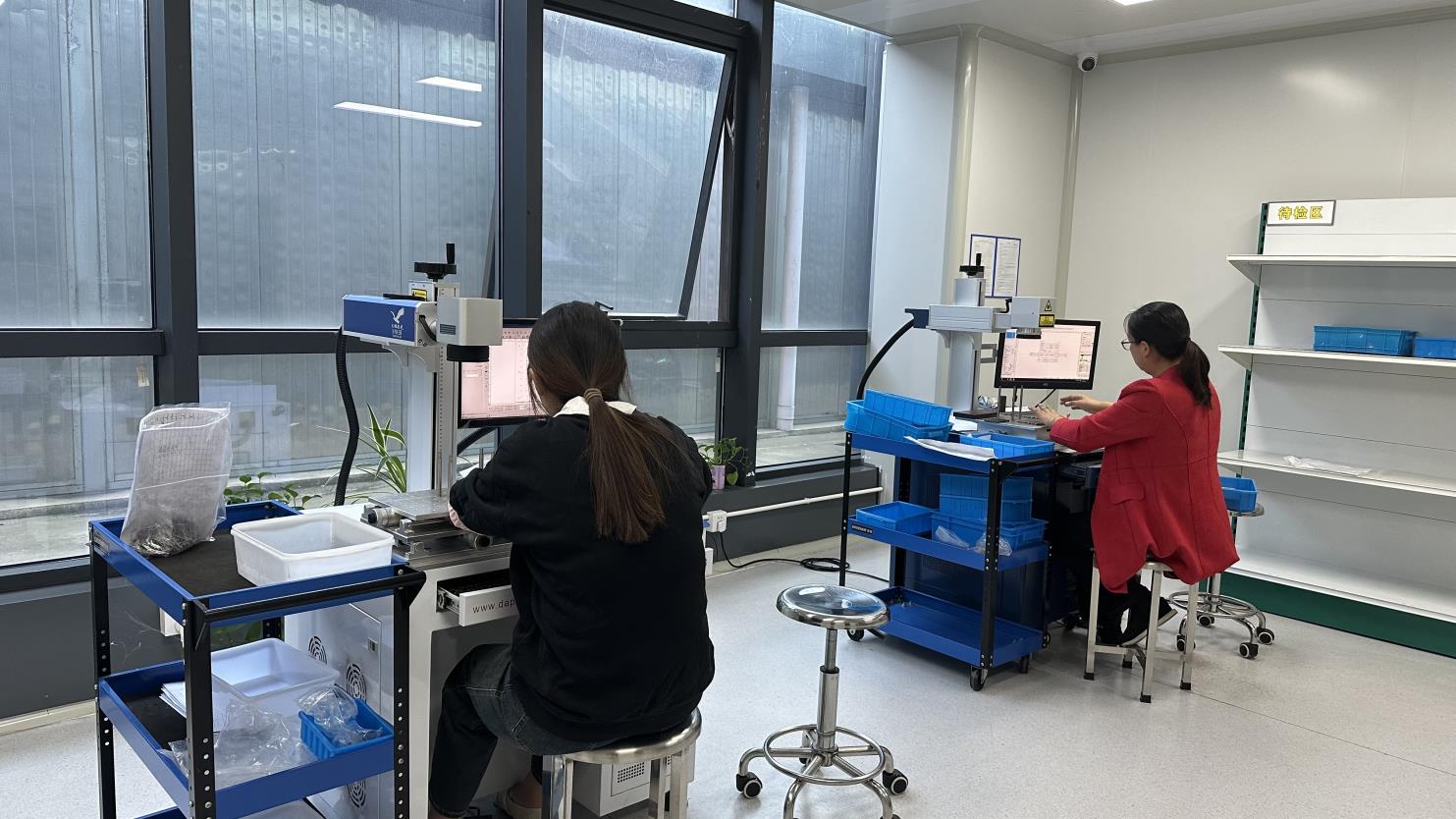
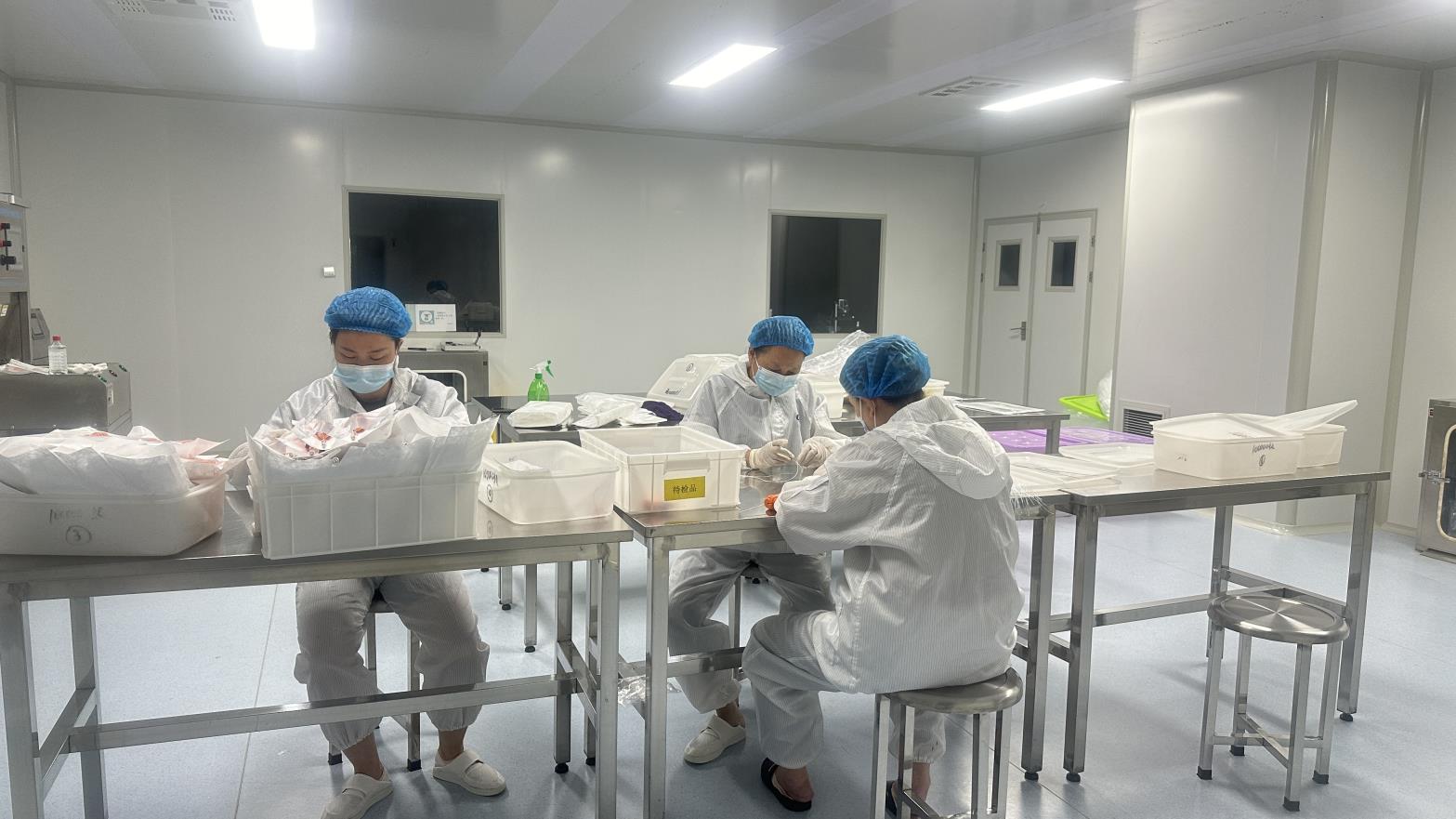
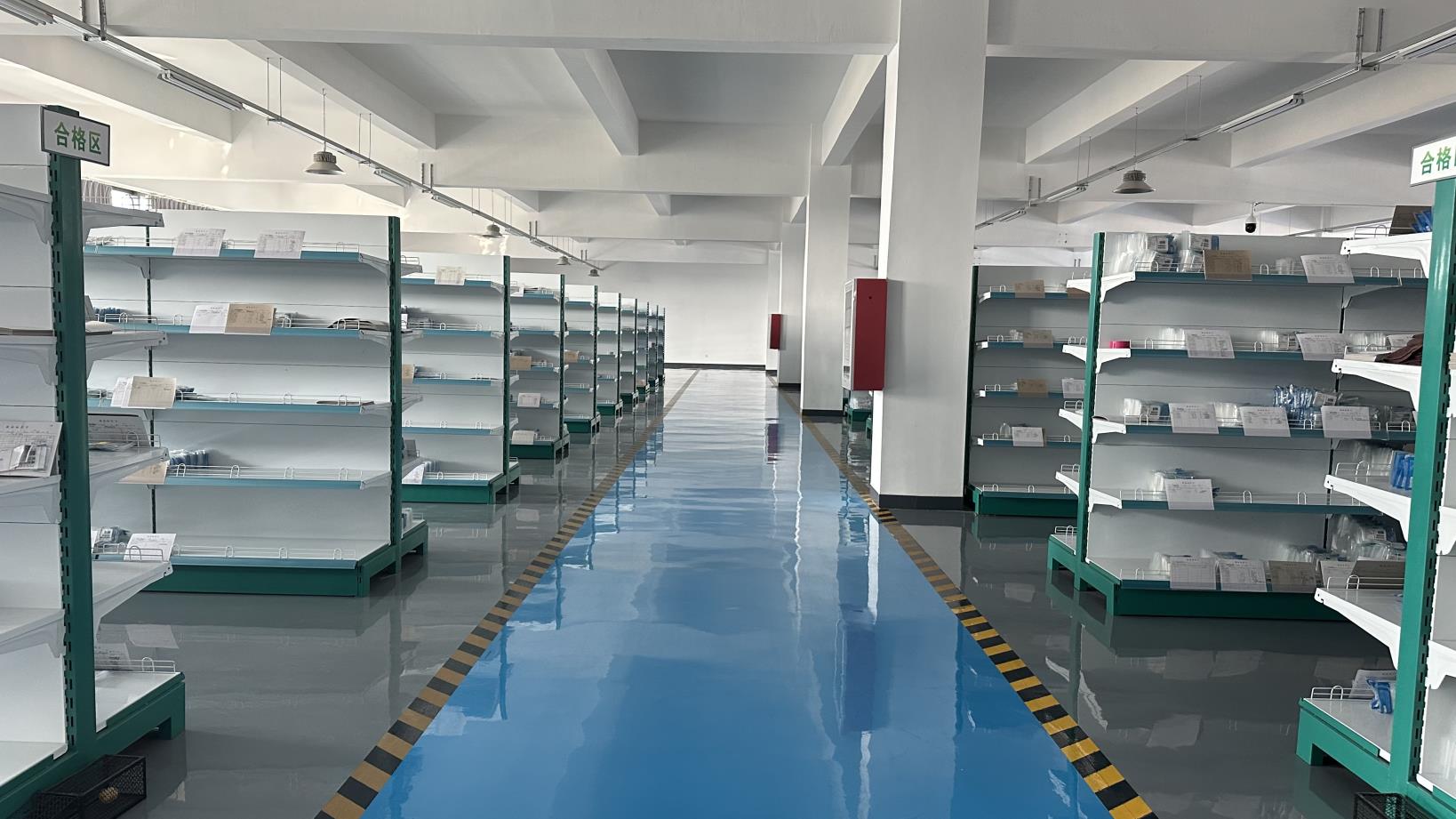
How point-of-care diagnostics and integrated clinical hardware improve cardiovascular care pathways across multiple environments.
In general practitioner offices and community medical clinics, rapid testing devices enable instant determination of lipid levels during routine patient consults. GPs can assess hyperlipidemia risk profiles immediately, without having to send blood draws to external clinical labs, reducing patient follow-up times.
For high-risk cardiovascular patients, regular at-home monitoring using simplified handheld biosensing meters ensures compliance with lipid-lowering therapies (e.g., statin compliance tracking). Patient adherence rates increase when they can visually monitor positive trends in real-time.
Mobile health vans, pharmaceutical promotion booths, and wellness screenings at large corporations utilize multi-analyte POCT cholesterol devices. They provide quick, non-invasive capillary whole-blood screenings, which can screen hundreds of individuals in a single shift.
The future of cardiovascular diagnostic hardware and digital software integration.
Modern cholesterol testing devices now incorporate Bluetooth Low Energy (BLE) and Wi-Fi data transfer. Results are transmitted automatically to clinic portals and Electronic Medical Records (EMR) software, reducing transcription errors and improving patient tracking.
Rather than testing only cholesterol, modern dry chemistry systems analyze multiple health markers simultaneously, such as Blood Glucose, Cholesterol, and Uric Acid, using a single test strip. This simplifies POCT diagnostic operations and reduces patient discomfort.
Leading manufacturers are moving from optical reflection systems to electrochemical, enzyme-substrate biosensing mechanisms. Electrochemical test strips are less affected by environmental light and sample volume fluctuations, resulting in higher precision and reliability.
Crucial technical, quality control, and regulatory evaluation criteria for hospital buyers and distributors.
When selecting a cholesterol testing manufacturer, B2B procurement professionals must look beyond pricing. The following factors help prevent clinical inconsistencies and customs delays:
Confirm the manufacturer holds an active ISO 13485 QMS certification. Verify if their testing devices and reagent strips are certified under the European CE IVDR guidelines or cleared under US FDA 510(k) programs. These registrations verify clinical validity and manufacturing consistency.
A testing device's accuracy is measured by its CV rating. Top-tier POC cholesterol devices display a CV of less than 3% for total cholesterol, which aligns with international NCEP (National Cholesterol Education Program) guidelines. Request clinical trial validation reports before signing bulk contracts.
Cholesterol test strips are highly sensitive to temperature and humidity variations. Partner with suppliers that provide moisture-proof, hermetically sealed vial packaging. Confirm their logistics partners can maintain stable temperature environments during international transport.
Answers to common technical, logistics, and quality assurance questions from medical procurement departments.
Access our complete line of medical consumables, diagnostic tools, and surgical support equipment from our certified production lines.