ZNG Medical
ZNG Medical
ZNG Medical
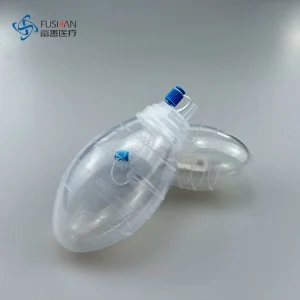
Engineered for minimal tissue trauma and optimal fluid removal. Ideal for cardiothoracic, orthopedic, and plastic surgeries across Namibia's major healthcare facilities.
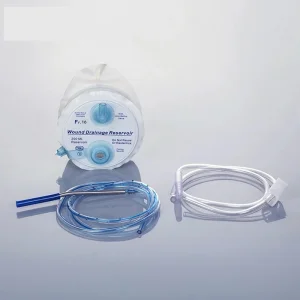
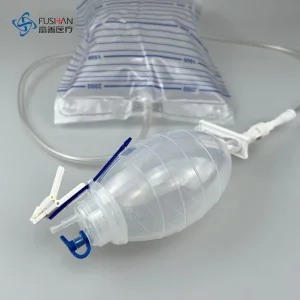
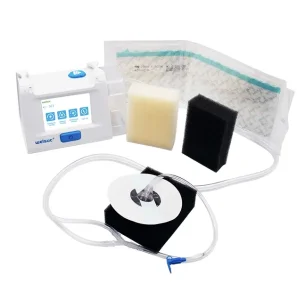
A comprehensive examination of clinical needs, logistics optimization, and regulatory pathways for importing high-grade surgical drainage consumables into the Southern African market.
Namibia's healthcare infrastructure is organized under a dual-tier system consisting of the Ministry of Health and Social Services (MoHSS) managing public facilities, and a robust private health sector supported by organizations like the Representative Association of Medical Schemes (RAMS). Principal referral hospitals such as Windhoek Central Hospital and Katutura State Hospital serve as hubs for complex post-traumatic and elective surgeries. Due to Namibia's unique demographic spread and arid climate, preventions against Surgical Site Infections (SSIs) are critical to reducing patient hospital stays and lowering system-wide healthcare expenditures.
The clinical need for dependable wound drainage kits is particularly high in orthopedic interventions, oncology resections, cardiothoracic operations, and obstetric emergencies. In these procedures, fluid accumulation—such as hematomas or seromas—can compromise surgical recovery, raise intra-tissue pressure, and act as a breeding ground for pathogenic bacteria. Providing high-biocompatibility silicone and medical-grade PVC drainage tubes is essential to mitigating tissue reaction and ensuring seamless fluid evacuation without painful tissue adhesion.
Namibia is strategically positioned as a logistical gateway for Southern Africa. The Port of Walvis Bay offers a critical maritime route that bypasses congested South African ports, ensuring shorter transit times for medical shipments originating from manufacturing hubs. For bulk purchasing agencies, procurement and distribution require planning that considers the following local parameters:
Medical devices imported into Namibia must comply with the guidelines defined by the Namibia Medicines Regulatory Council (NMRC). Our wound drainage systems are certified to ISO 13485:2016 and CE standards, providing the documentation required for expedited import clearance and state-sponsored hospital tenders.
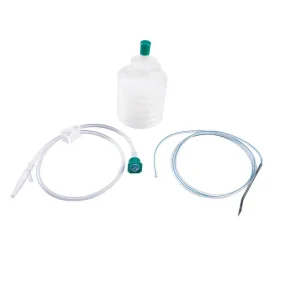
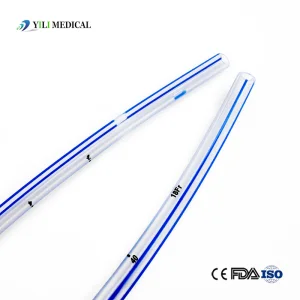
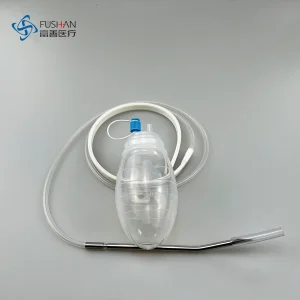
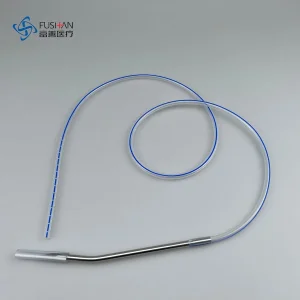
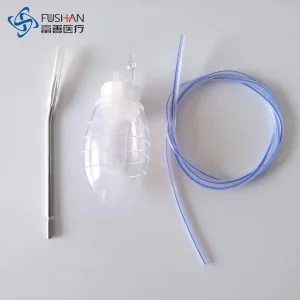
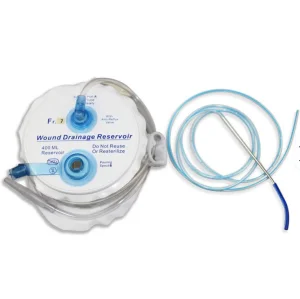
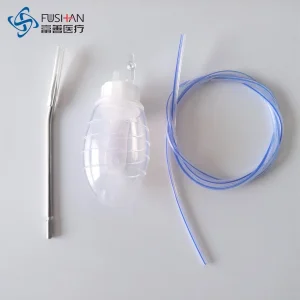
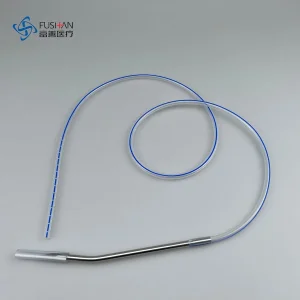
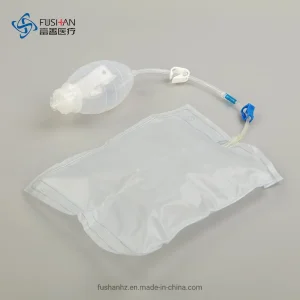
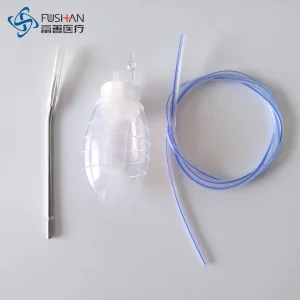
A high-performance wound drainage kit consists of multiple integrated parts. Our manufacturing lines prioritize material consistency:
As a global OEM partner, Zhejiang ZNG Medical provides customizable options tailored for public and private healthcare supply chains. Our 12-step structured process is optimized for institutional buyers:
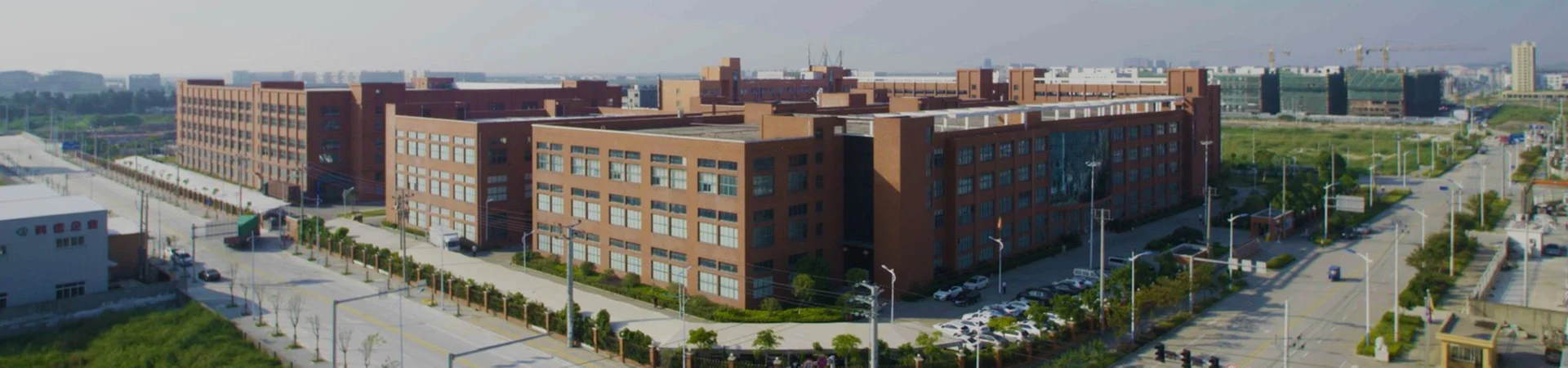
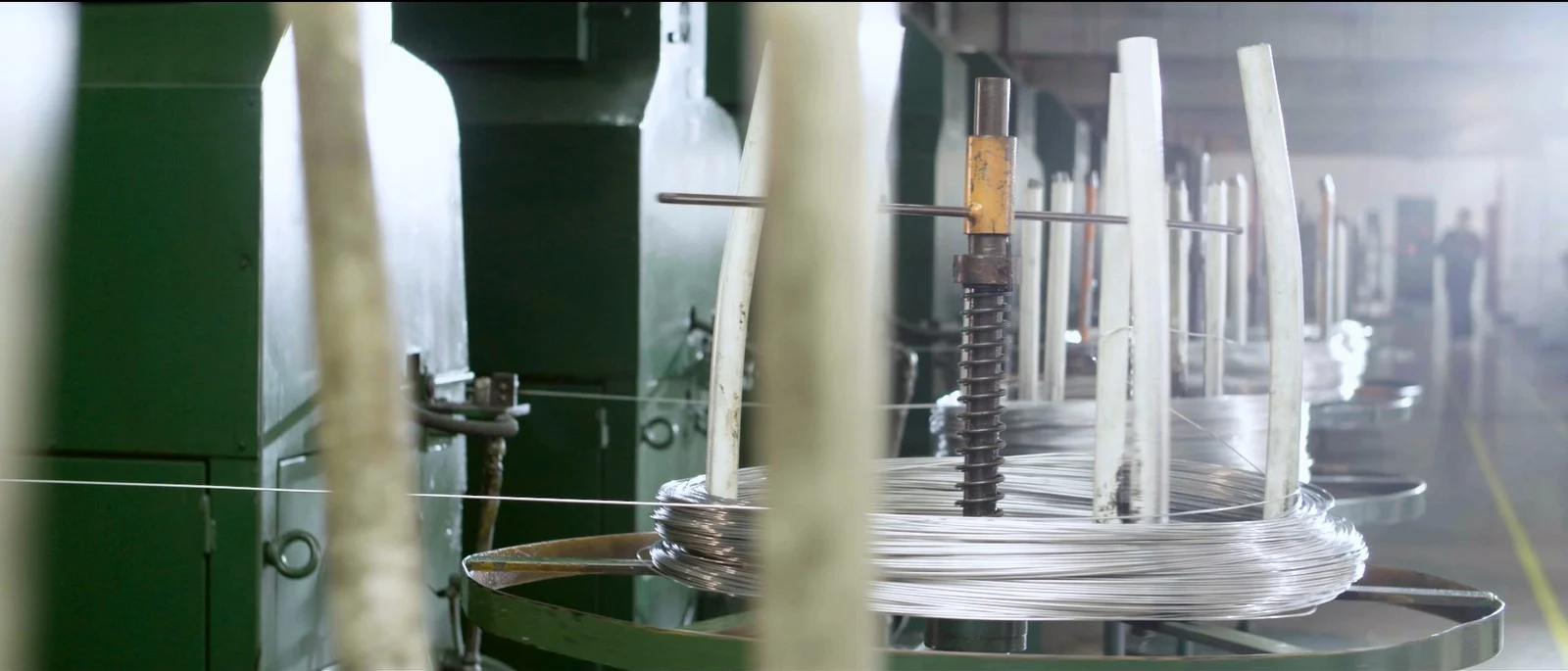
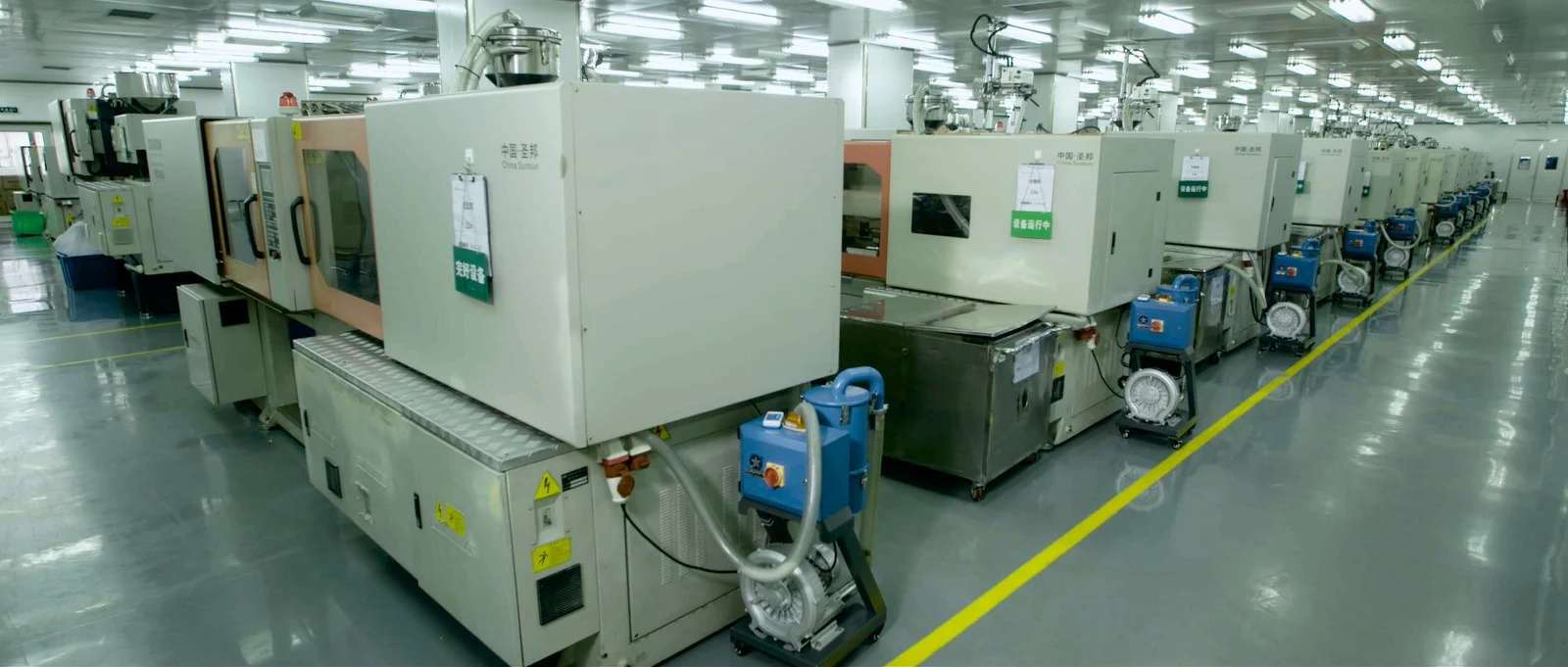
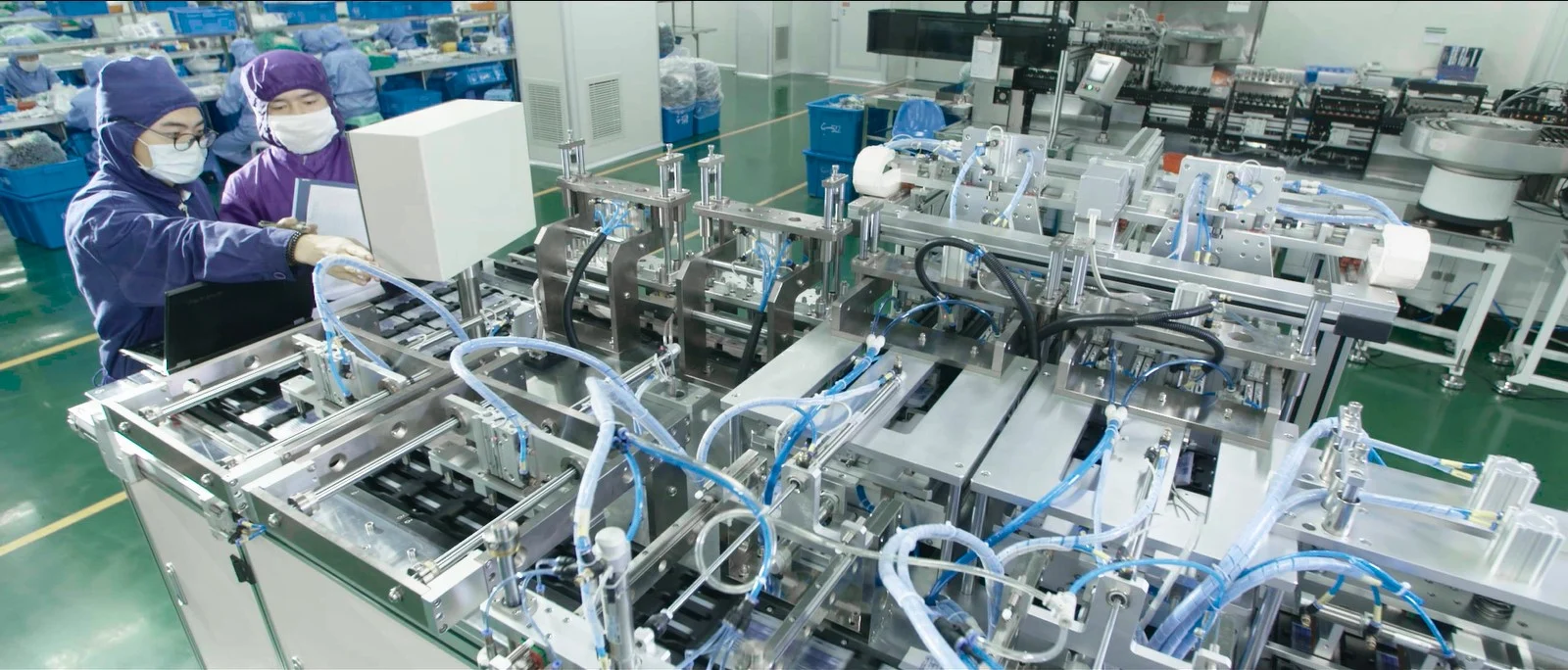
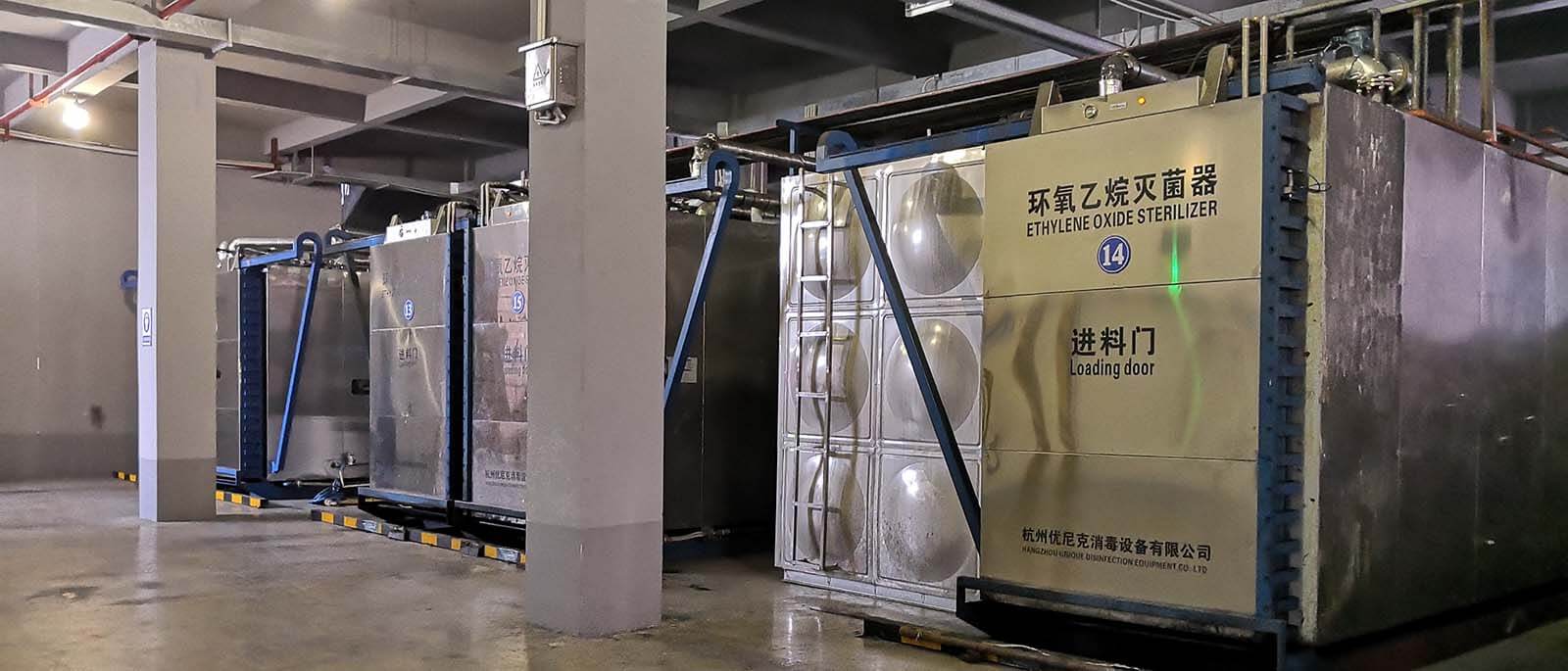
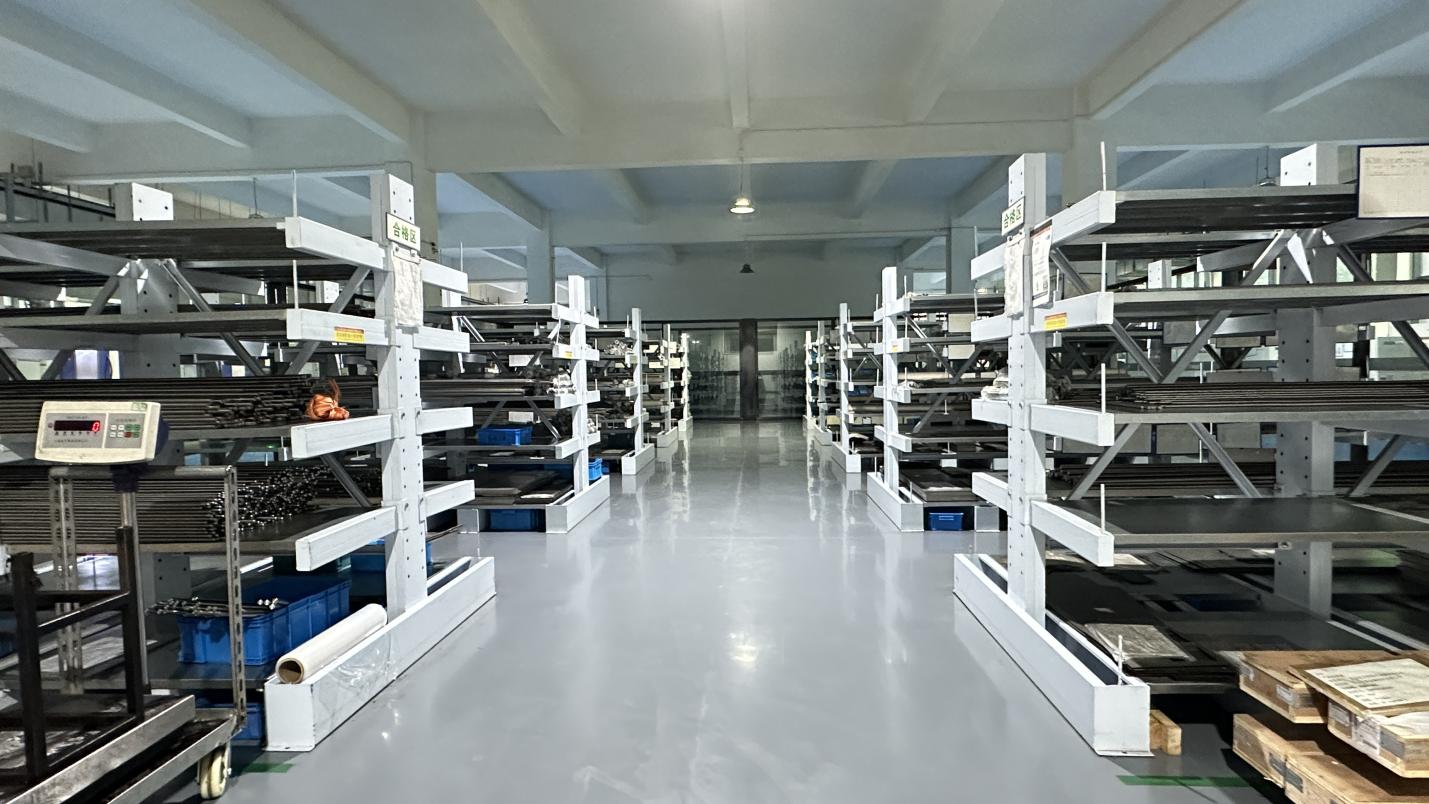
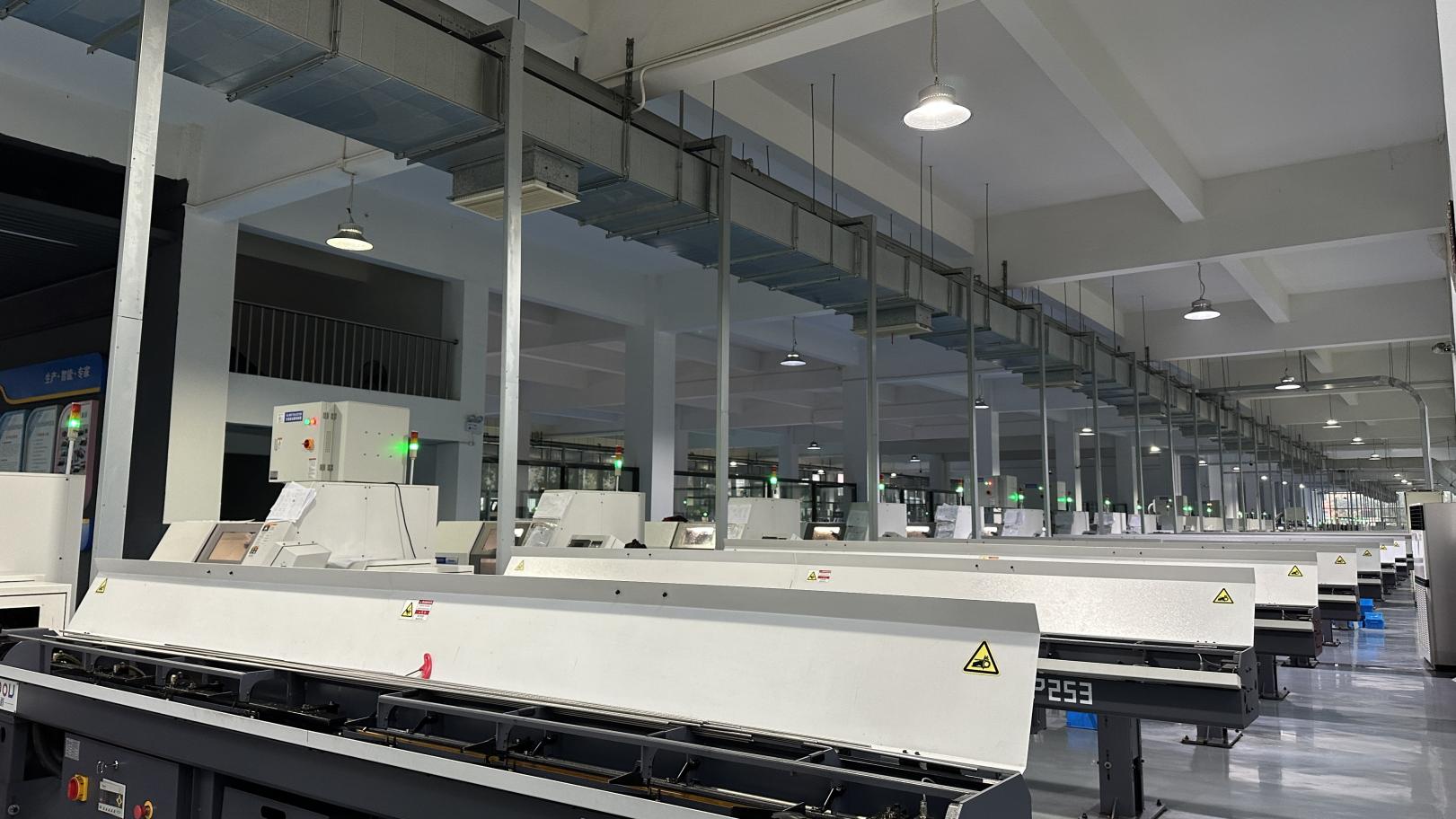
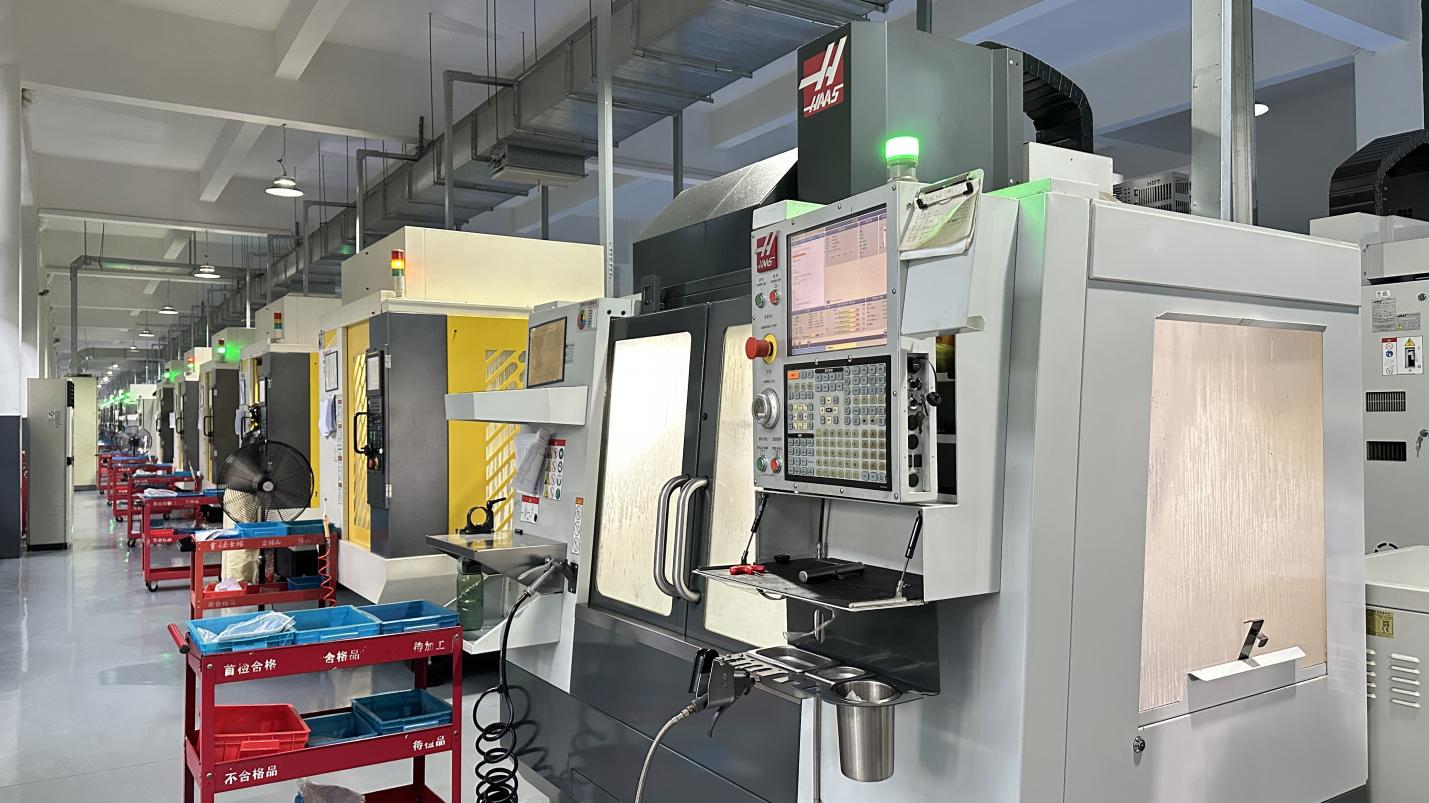
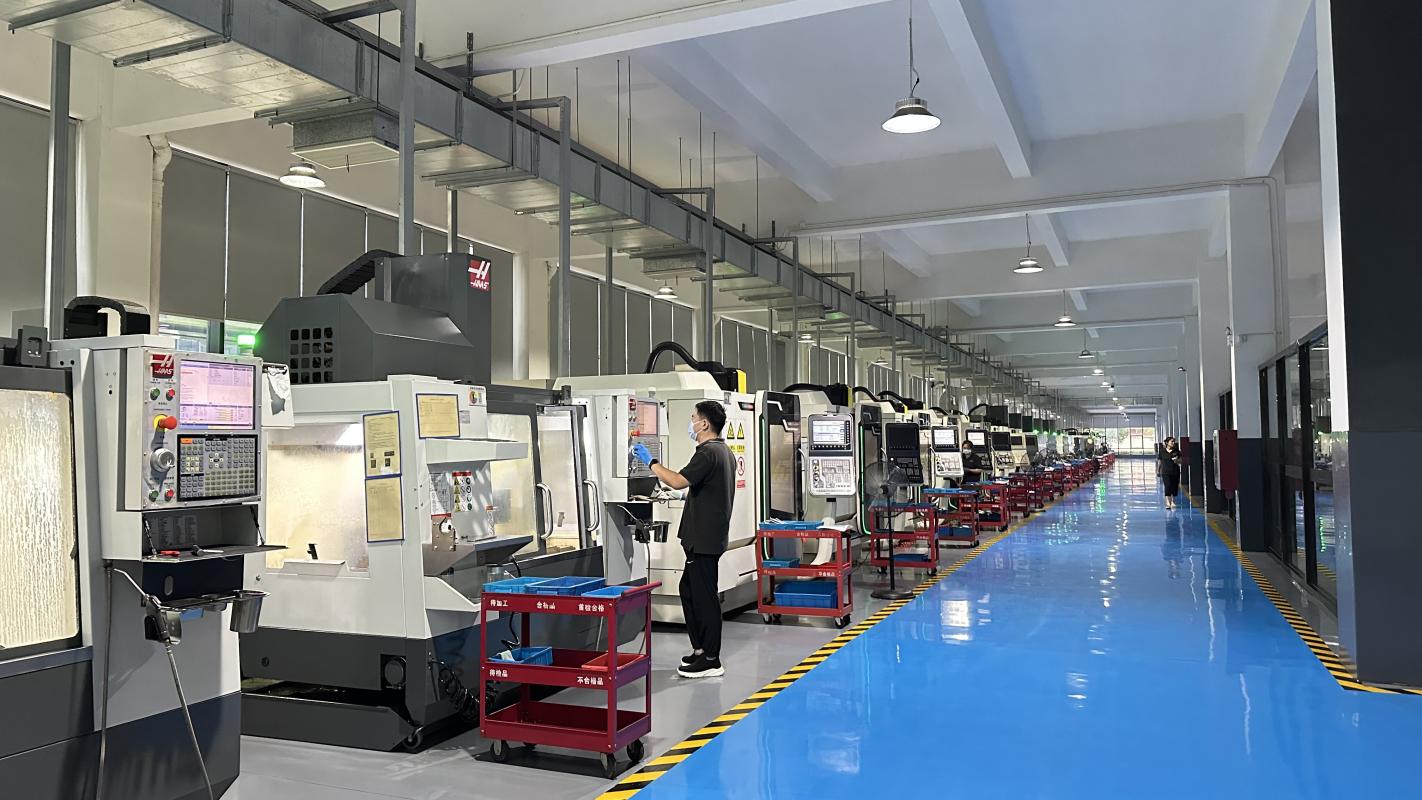
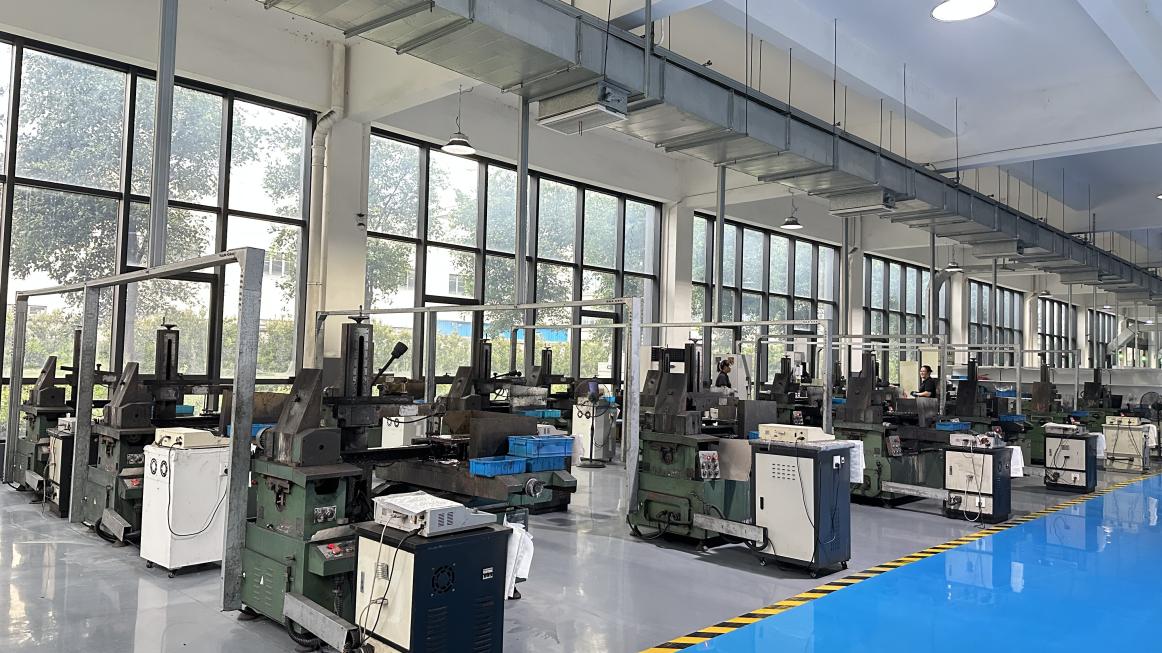
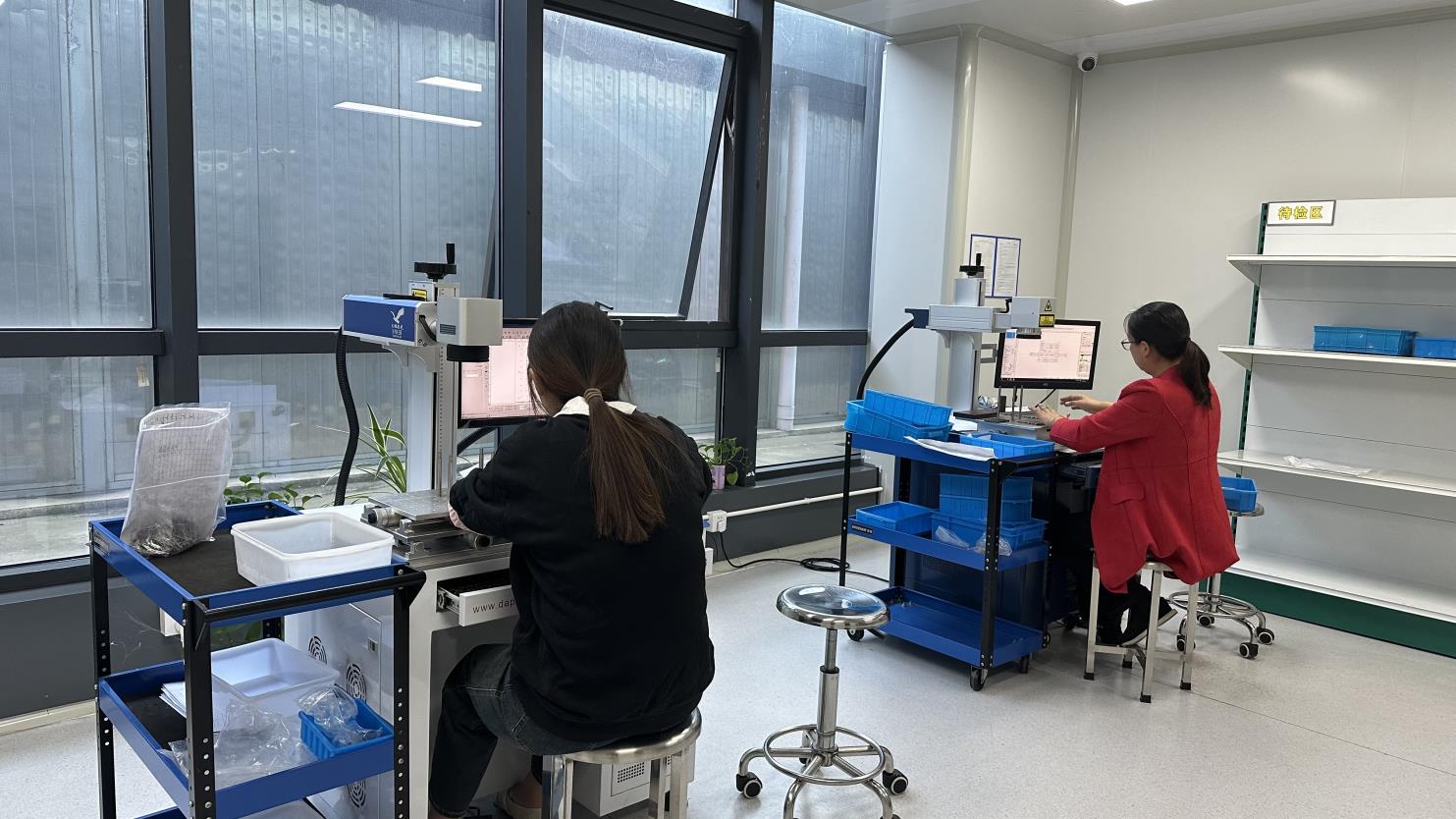
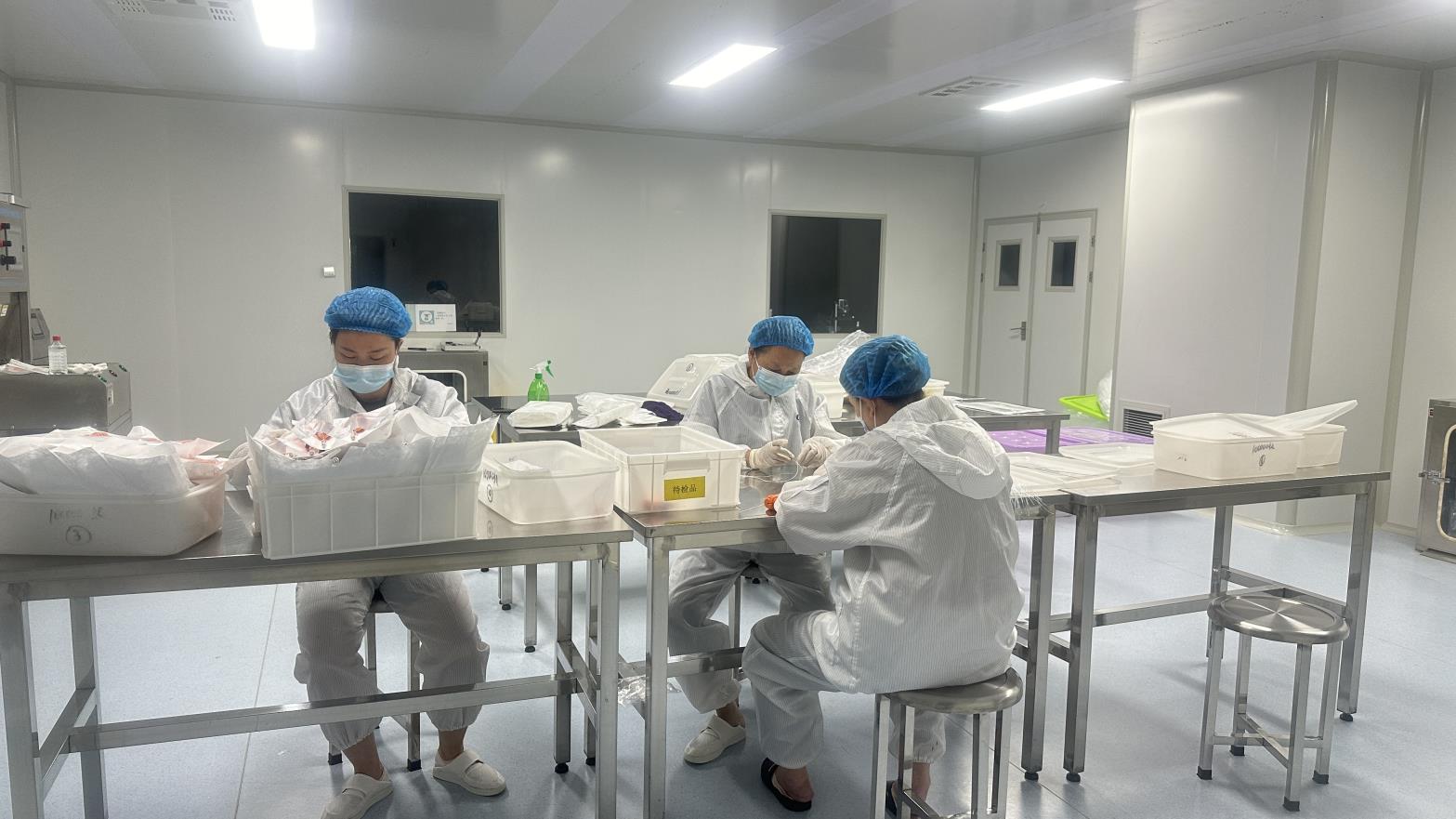
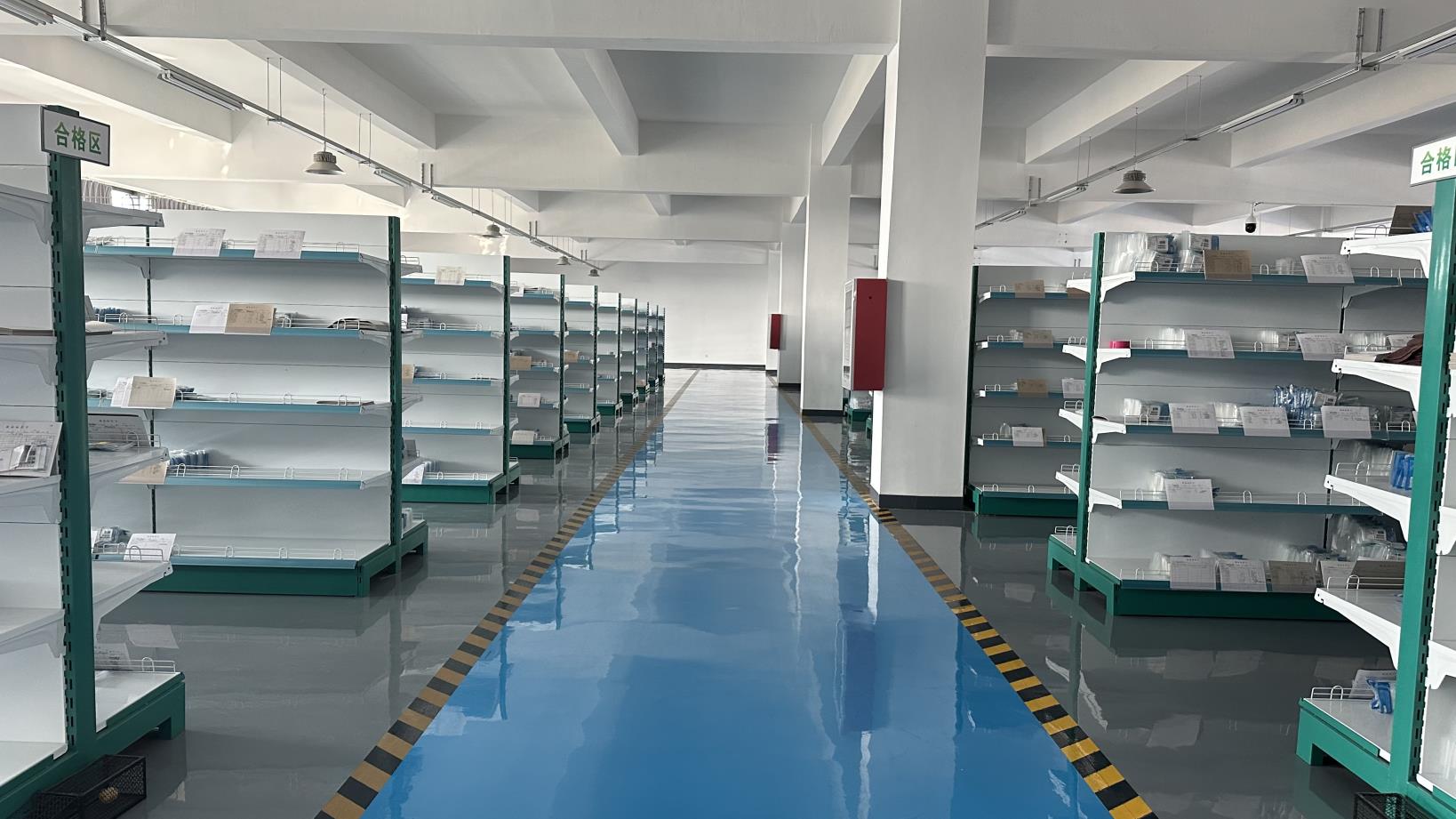
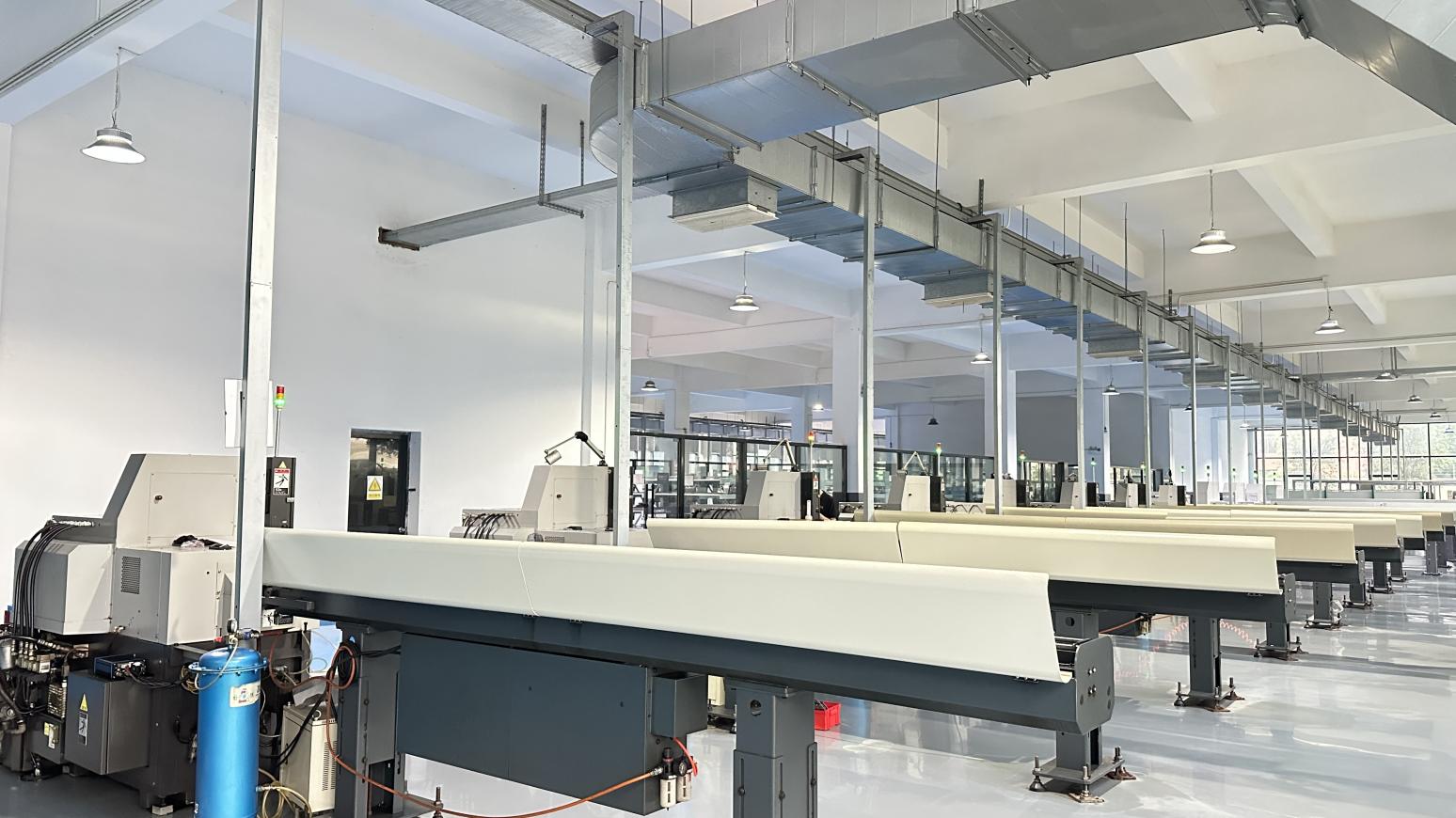
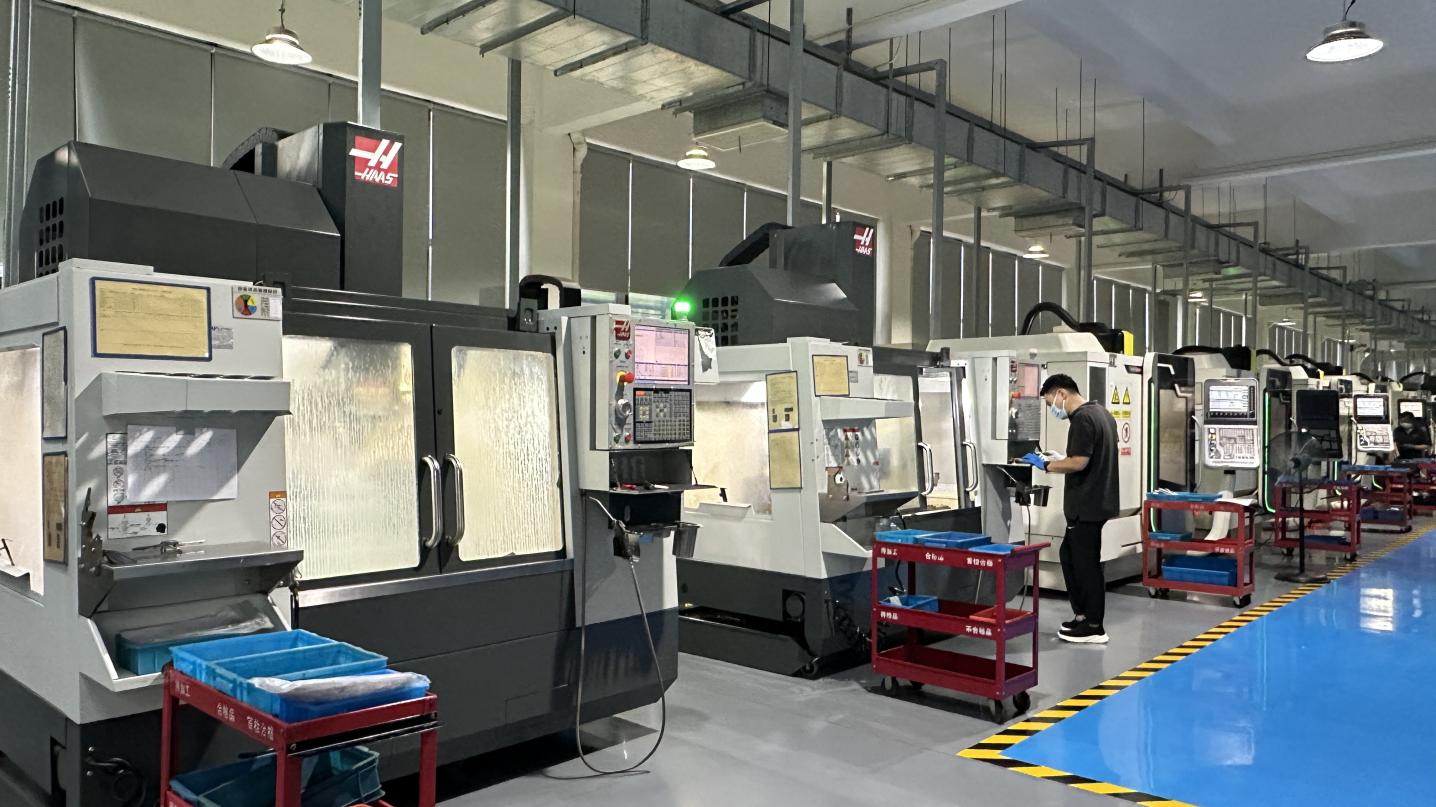
Our state-of-the-art facilities rely on automated extrusion and injection lines managed in controlled Class 100,000 cleanrooms to eliminate particulate contaminants.
Founded in 1996, as a leading medical device company, we are dedicated to research, development, and production of clinical consumables. Through our ISO 9001 and ISO 13485 quality systems, coupled with CE product certifications, we deliver reliable and efficient products to markets worldwide.
Needles & Access Systems: Pen needles, blood collection needles, spinal needles, dental needles, disposable needles, epidural needles, chiba needles, huber needles, fistula needles, microcannulas for fillers, custom irrigation needles, blunt needles, biopsy needles, introducer needles, scalp vein sets, and veterinary systems. We develop custom components according to drawing specifications and design requirements.
Our Mission: ZNG Medical is committed to public health needs. By working closely with clinical buyers, we refine existing designs to optimize clinical efficacy and safety.
Innovation transitions from passive fluid collection to active wound bed monitoring.
As the healthcare environment across Southern Africa demands more cost-effective clinical solutions, wound drainage technology is shifting from manual monitoring toward integration with digital and antimicrobial frameworks:
One of the primary concerns with traditional PVC and silicone tubing is the risk of inner lumen occlusion caused by fibrin clots or viscous fluids. Our R&D teams are optimizing hydrophilic inner coatings that resist protein adsorption, maintaining high-performance fluid transfer rates and reducing the frequency of traumatic tube milkings.
To further minimize the occurrence of retrograde bacterial infections in clinical environments, we are evaluating the deployment of silver-impregnated and chlorhexidine-bonded catheters. These agents inhibit biofilm formation on the inner and outer surfaces of the drainage tube, providing an extra layer of protection during extended post-surgical recovery periods.
Future development phases involve connecting our active negative-pressure wound therapy systems with precise bio-sensor modules. These sensors track fluid density, chemical indicators (such as pH level and localized bio-burden), and pressure variations, transferring data to nurses' monitoring terminals to support timely clinical interventions.
Key information regarding ordering, material composition, local compliance, and shipping configurations for Namibian medical distributors.
Explore our full line of sterile closed drainage reservoirs, silicone fluted tubes, and post-operative vacuum kits configured for direct shipment to Namibia.