ZNG Medical
ZNG Medical
ZNG Medical
Explore high-quality solutions, sterile consumables, and electronic diagnostic apparatuses manufactured to ISO 13485 international standards.

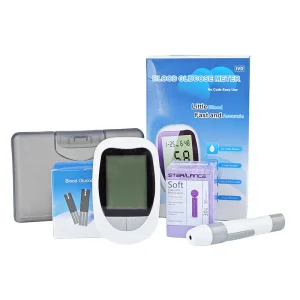
The global transdermal delivery systems market has experienced a significant paradigm shift. The integration of microneedle (MN) arrays stands at the forefront of this revolution. Microneedles are micron-sized, minimally invasive structures designed to penetrate the stratum corneum barrier without stimulating dermal nociceptors (pain receptors) or disrupting deep capillary beds. Originally conceived for painless drug delivery, this field now underpins billions of dollars of medical, aesthetic, and diagnostic innovations worldwide.
Historically dominated by silicon fabrication technologies derived from the semiconductor industry (MEMS), modern microneedle manufacturing has expanded into biodegradable polymers, metals, and composite structures. This technological evolution allows exporters and factories to scale their output while decreasing per-unit manufacturing costs. The integration of these micro-arrays into mainstream pipelines requires high-performance cleanroom environments, precision molds, and rigorous biological safety certifications.
Industrial buyers and clinical researchers classify microneedles based on their structural material, functional mechanism, and drug delivery kinetic path. Understanding these divisions is key when evaluating global suppliers:
Utilized primarily for "poke-and-patch" approaches. These needles physically create transient micro-conduits in the skin, increasing drug permeability before the application of a topical formulation.
Featuring a micro-bore channel. They enable active infusion of liquid formulations directly into the viable epidermis or dermis, ideal for rapid-acting therapeutics such as insulin and vaccines.
Fabricated using water-soluble biodegradable matrices (such as Hyaluronic acid or carboxymethyl cellulose). Upon insertion, the matrix dissolves in the interstitial fluid, releasing encapsulated active ingredients without producing medical waste.
Note for procurement offices: The choice of microneedle technology dictates the compliance documentation (FDA 510k, CE MDR, or general cosmetic compliance) required for importation. Solid metal micro-needles (used in derma-rollers and pens) generally carry different risk classifications than dissolving polymer arrays loaded with active pharmaceutical ingredients (APIs).
Industrial buyers must look beyond raw cost-per-unit. A thorough assessment of a factory’s technical infrastructure, compliance status, and quality control systems is essential.

Founded in 1996, Zhejiang ZNG Medical has grown to become a leading medical device company. The organization is dedicated to researching, developing, and producing specialized injection products and fluid management devices.
Certified under the ISO 9001 and ISO 13485 quality systems, alongside CE product certifications, ZNG Medical provides secure and efficient medical consumables to the global market.
Our Comprehensive Needle Portfolio Includes:
From receipt of requirements to global delivery, our structured system guarantees traceability, safety, and consistency for custom needle development.
Receive Requirement & Technical Spec Sheets
Send Formal Quotation & Feasibility Study
Free Prototype Samples for Technical Review
Client Purchase Order (PO) Processing
Provide Proforma Invoice (PI) for Sign-off
Deposit Payment Verification
Start High-Precision Production Run
In-Process QC Photos & Packaging Checks
Balance Payment Verification
Book Sea/Air/Express Cargo Space
Safe Export Delivery & Dispatch
Send Original Shipping & Customs Documents
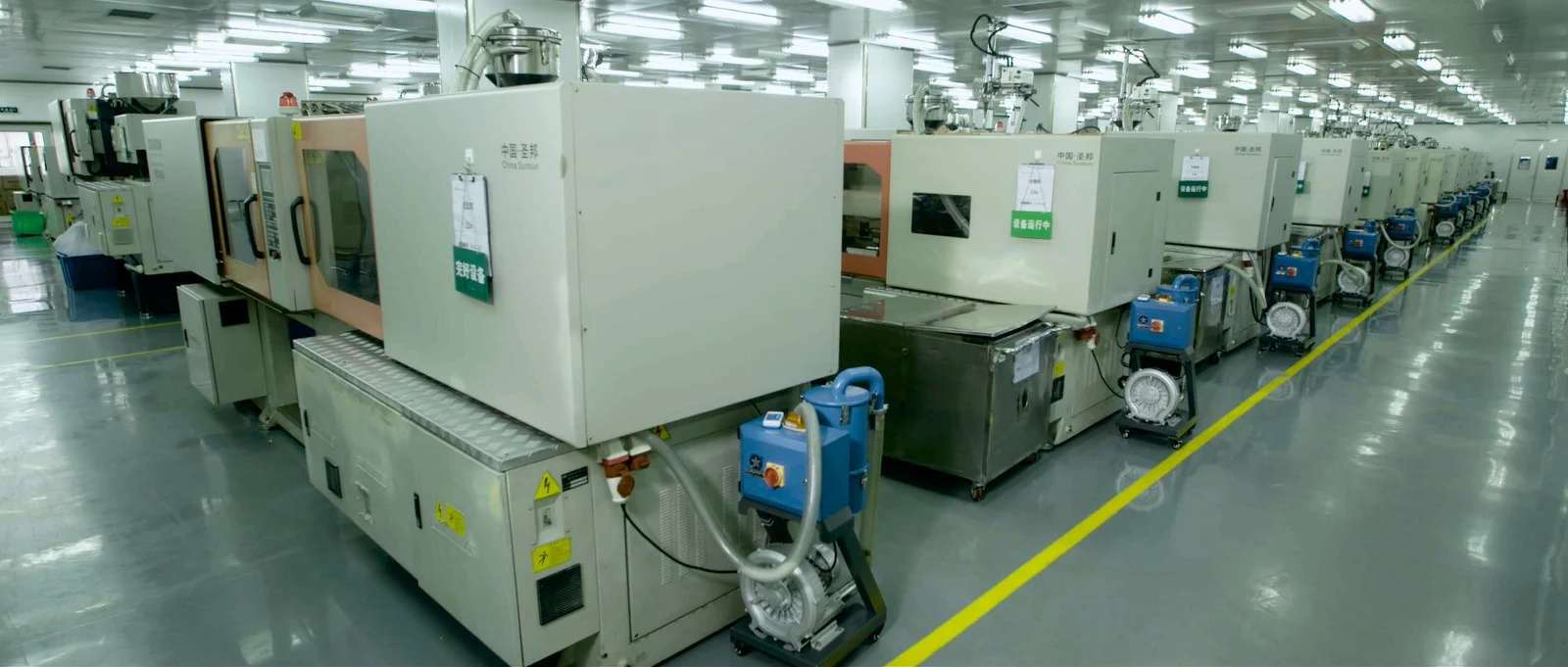
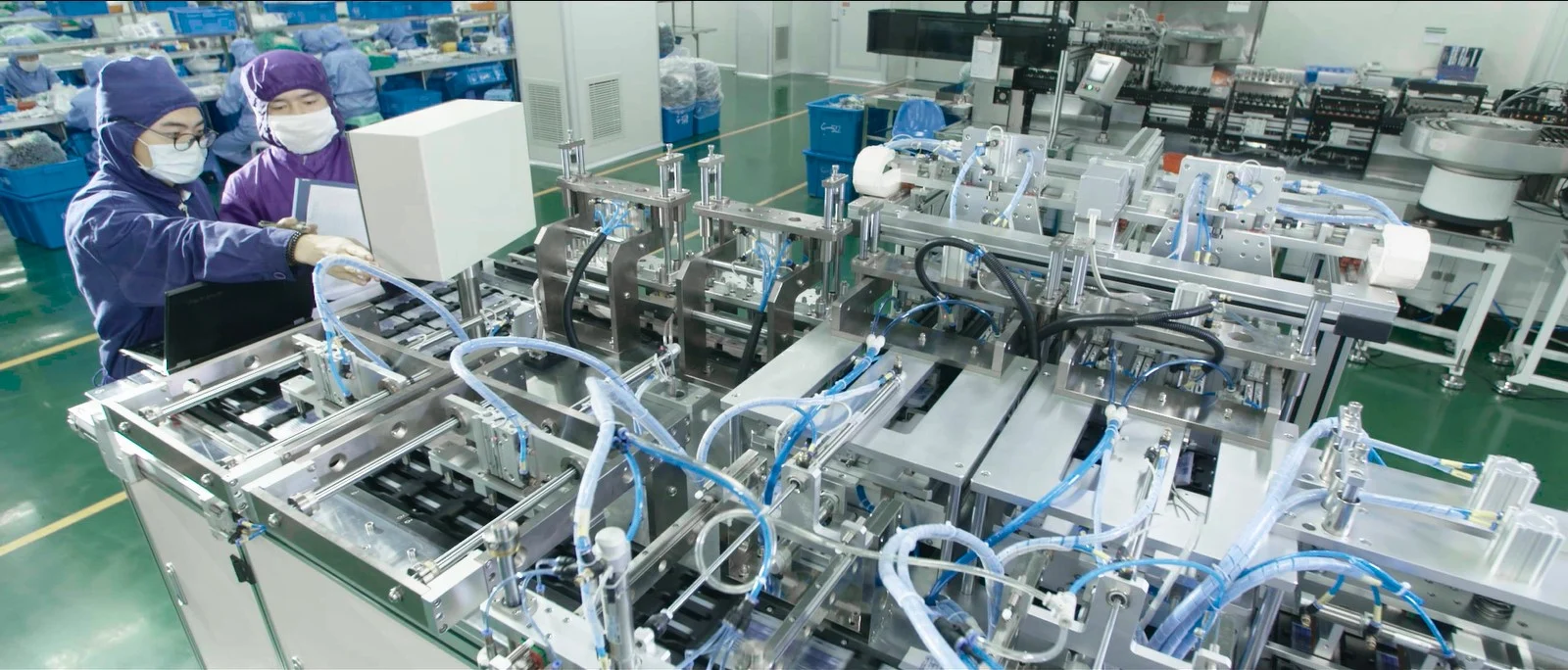
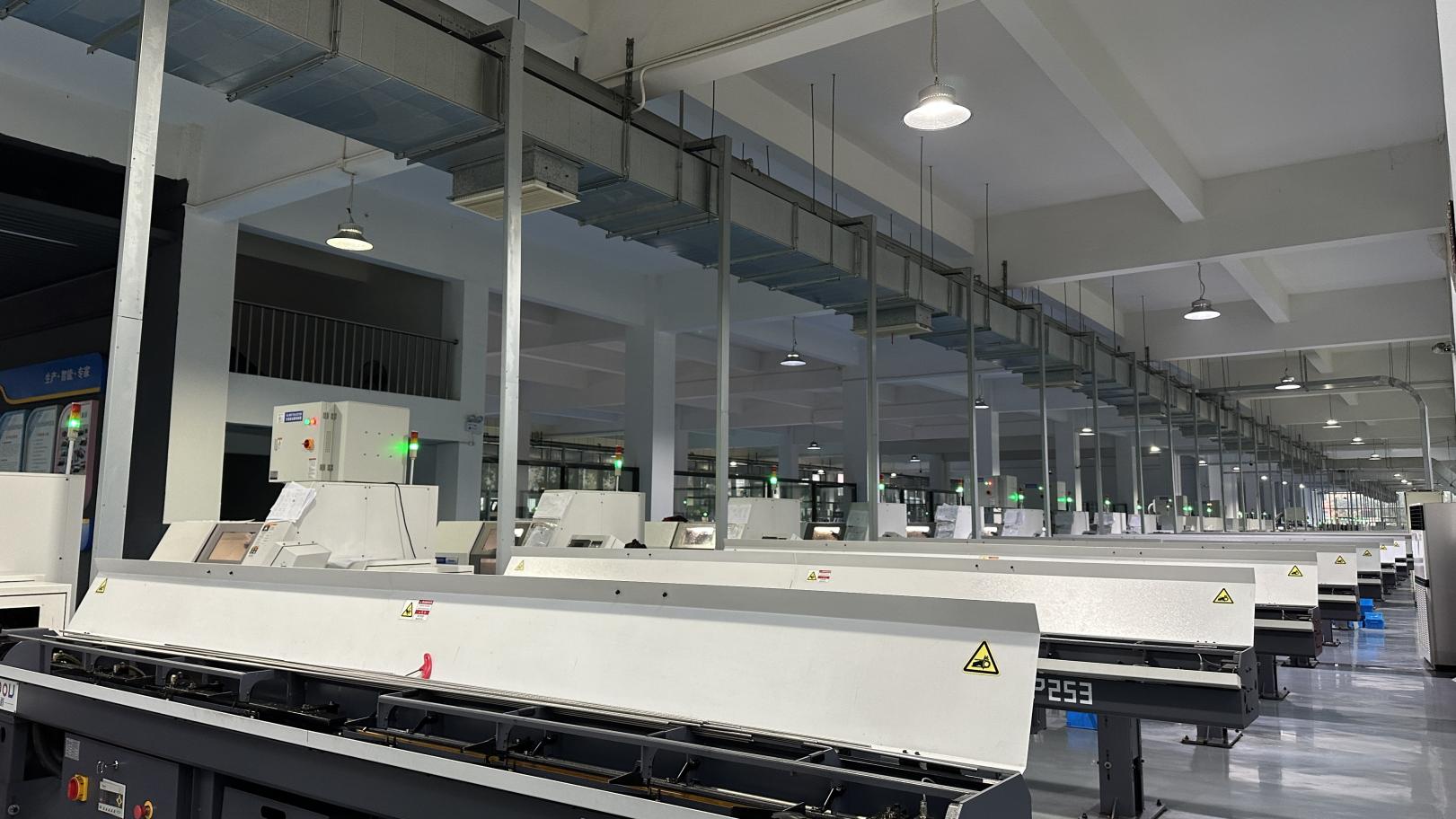
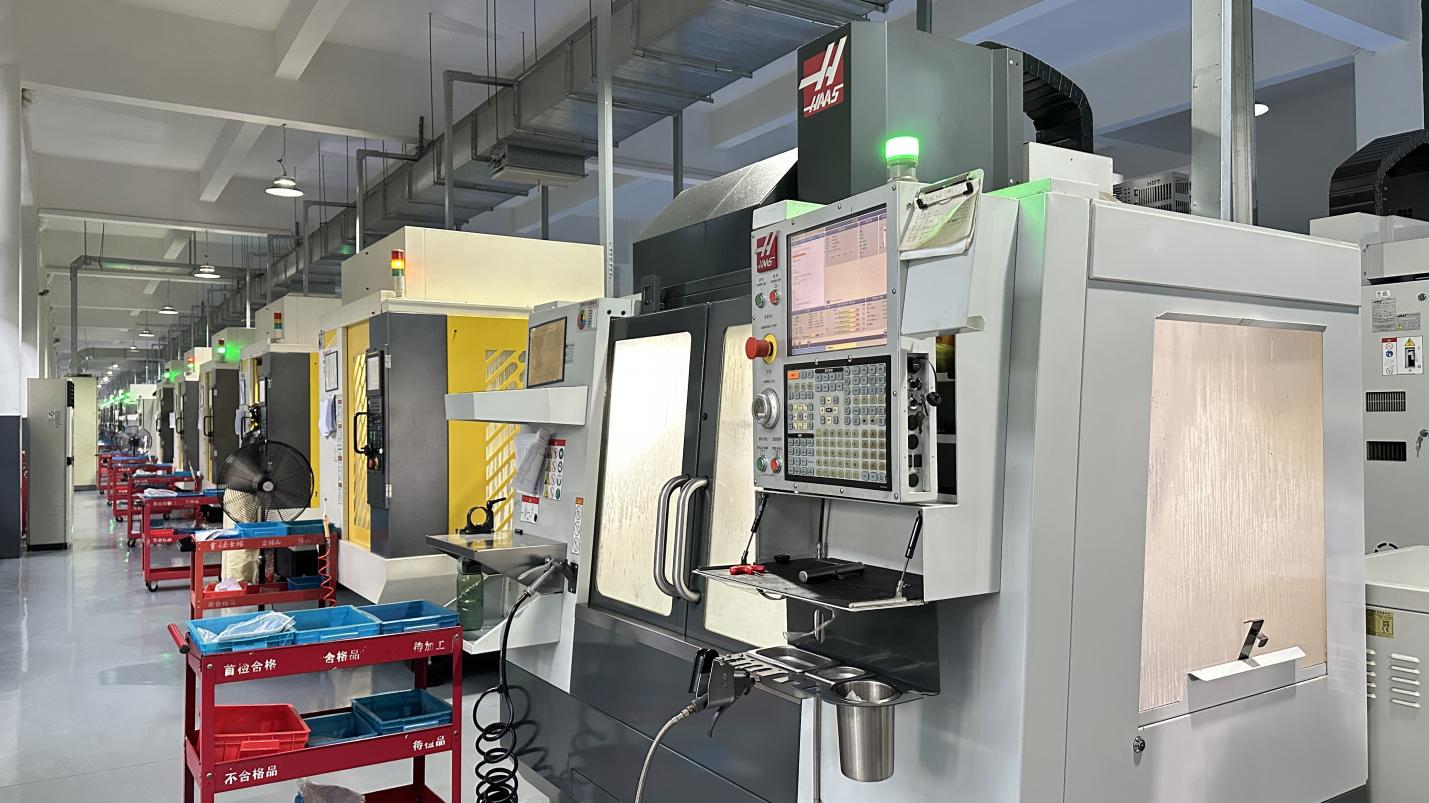
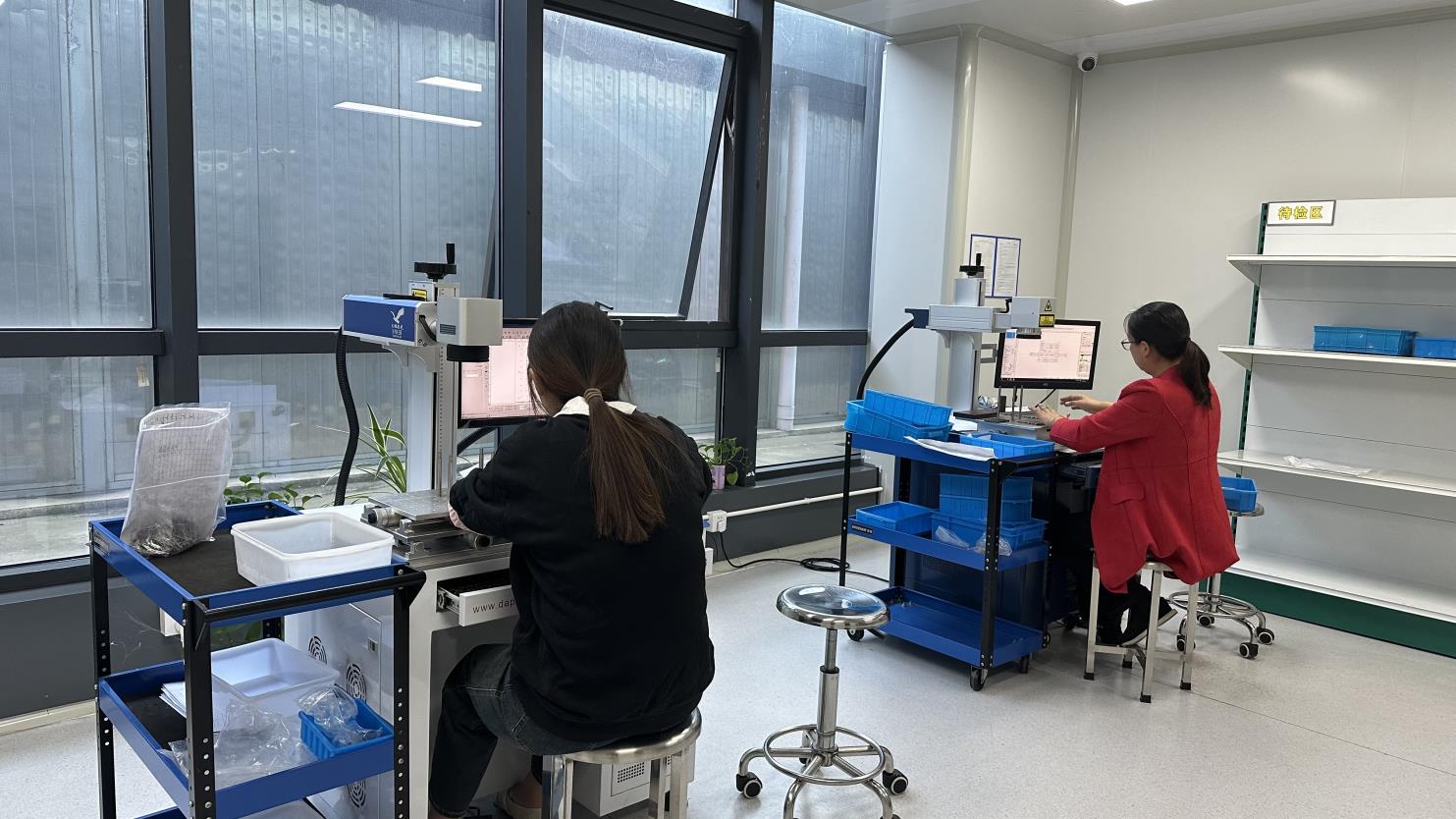
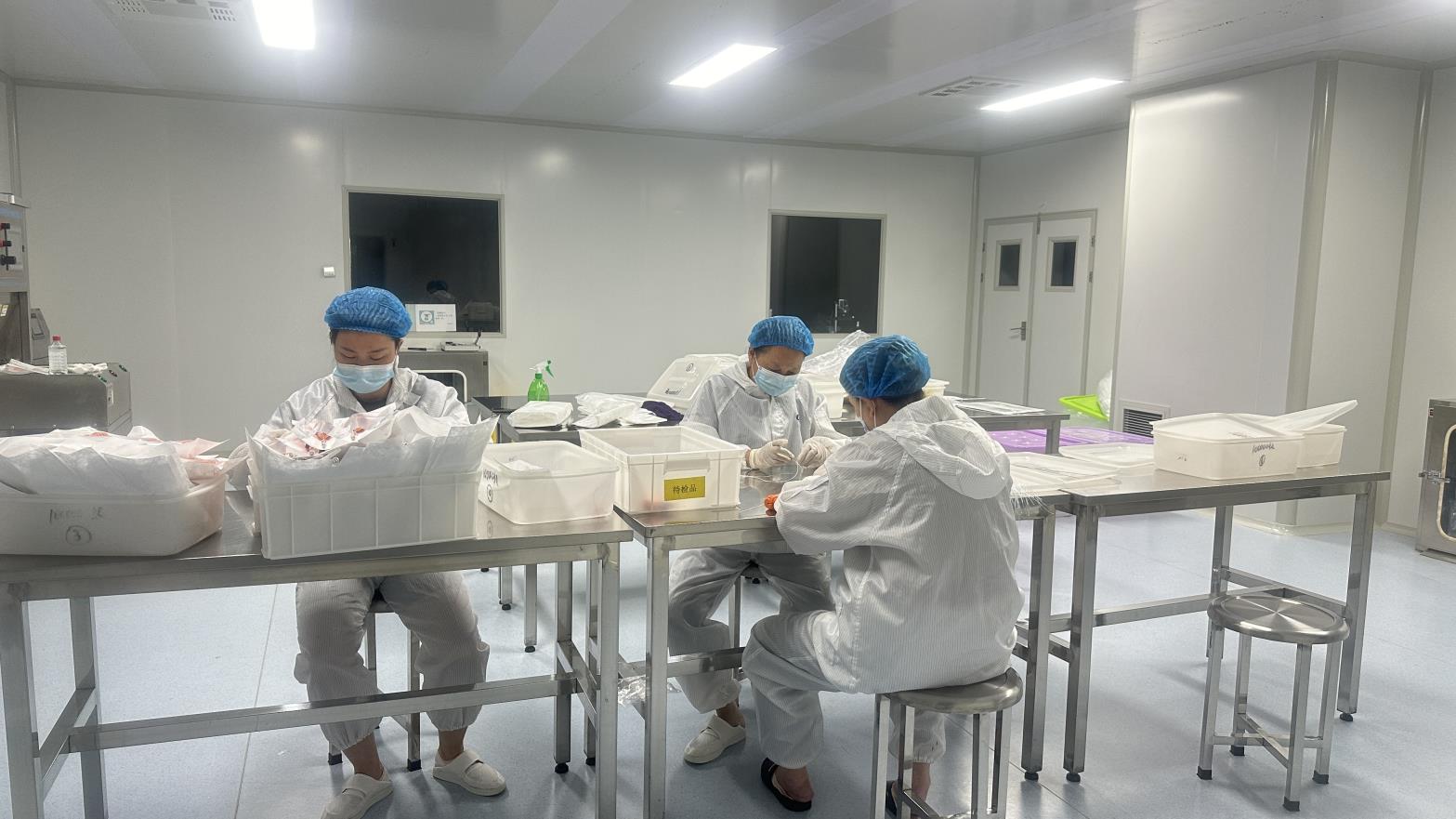
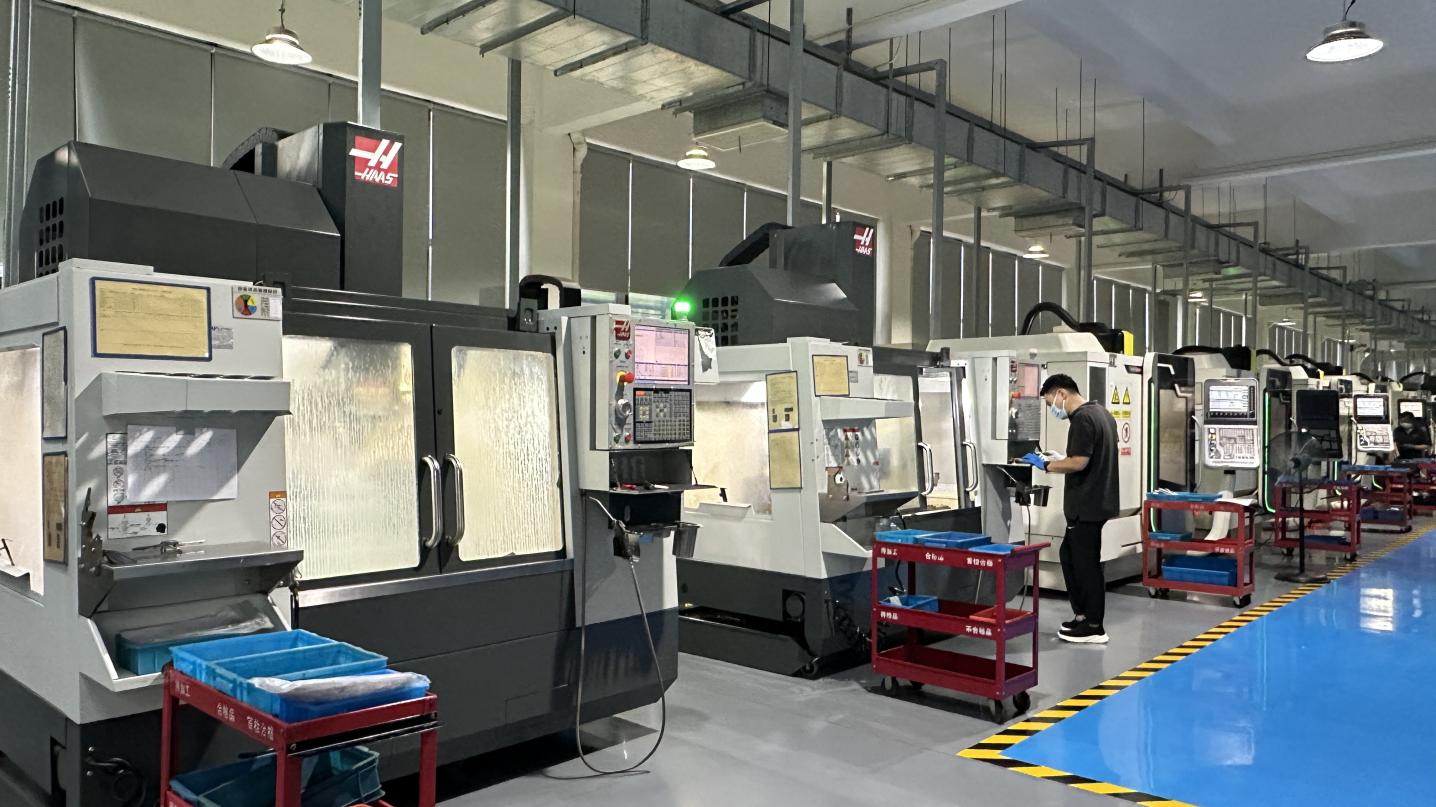
A visual look into Zhejiang ZNG Medical's advanced manufacturing equipment, cleanrooms, and testing facilities.







The microneedle sector is evolving rapidly, driven by cross-disciplinary breakthroughs in material science, microfluidics, and digital health. Exporters and factories are actively transitioning from simple transdermal drug delivery patches to "smart" responsive systems. These systems monitor biometric data or release active therapeutic agents in response to physiological triggers.
Hollow microneedle arrays are increasingly integrated with biosensing channels. These channels extract dermal interstitial fluid (ISF) via capillary action, allowing for real-time monitoring of glucose, lactate, and other blood biomarkers. Future clinical applications aim to replace continuous glucose monitor (CGM) filaments with painless, multi-sensor microneedle arrays.
Polymers like pullulan, maltose, poly-lactic-co-glycolic acid (PLGA), and sodium hyaluronate are replacing traditional silicon and metal components. Because dissolving microneedles leave no biohazardous waste, they eliminate the need for specialized sharps disposal protocols. This makes them highly suitable for global vaccination campaigns, particularly in regions with limited medical waste infrastructure.
Smart arrays utilize glucose-responsive matrices or pH-sensitive materials to control release rates. The microneedles automatically adjust their delivery profile based on the physiological conditions of the patient's skin. This technology offers highly personalized therapeutic management for chronic conditions.
Navigating regulatory compliance is critical when importing micro-needling devices or arrays. Depending on the target market, compliance requirements range from standard consumer goods declarations to complex medical device classifications.
Key answers to technical questions concerning microneedle design, custom manufacturing, and global procurement.
A comprehensive selection of specialized medical consumables, surgical kits, and diagnostic instruments for hospital and clinical pathways.