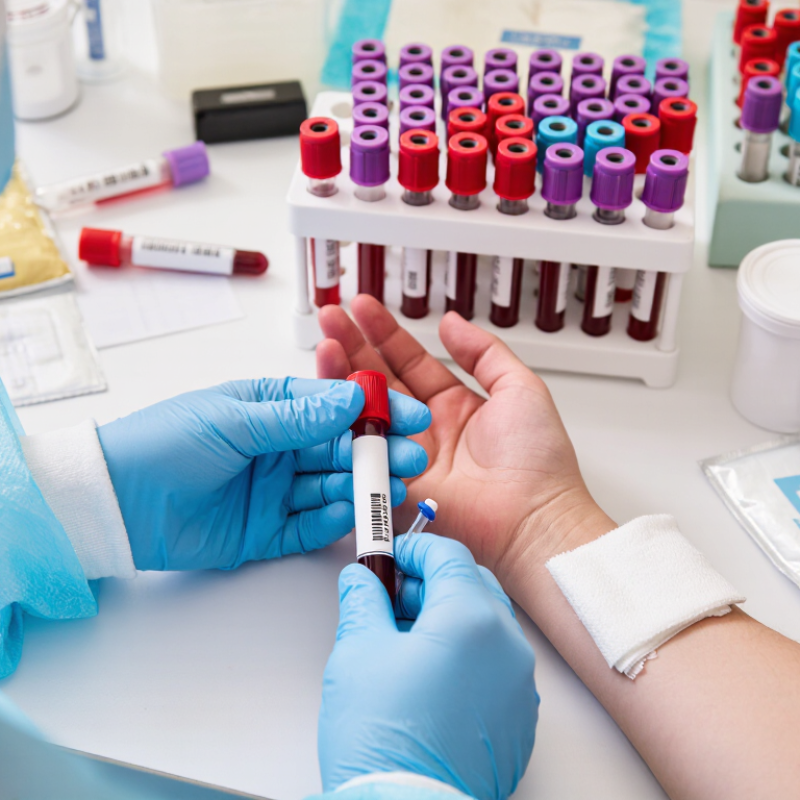
Blood collection is often treated as a routine clinical task. It is not routine for the patient. A mislabeled tube, wet alcohol residue, or damaged needle can affect safety, diagnosis, and treatment decisions. Safe Use Of Blood Collection Products protects the entire testing pathway, from skin preparation to specimen transport.
Dr. Anne Eder, a recognized transfusion-medicine expert, has emphasized, “Every specimen represents a patient.” This simple statement deserves attention. It connects a small tube to a real person waiting for accurate care. Correct product selection matters. Phlebotomy staff must check packaging integrity, expiration dates, sterility, and compatibility with the requested test. They must also follow validated procedures and use appropriate personal protective equipment.
Details matter.
A clean collection site reduces contamination risk. Proper tube filling supports reliable blood-to-additive ratios. Gentle inversion prevents clotting without creating unnecessary hemolysis. Immediate labeling at the bedside helps protect patient identity. These steps seem basic, yet busy settings can weaken them. Human error remains possible, even among experienced professionals.
Safe Use Of Blood Collection Products also requires ongoing training, equipment assessment, and honest review of near misses. A product may appear convenient but still create handling problems. A familiar process may contain hidden weaknesses. Healthcare organizations should measure specimen rejection, redraw rates, and staff feedback. Improvement is rarely perfect. It is continuous, practical, and sometimes uncomfortable.
When safety becomes visible in every tube, label, glove, and disposal step, blood collection becomes more dependable. Patients deserve nothing less.
Purpose and Role of Blood Collection Products
Why Is Safe Use of Blood Collection Products Important?
Purpose and Role of Blood Collection Products
Blood collection products support every stage of diagnostic testing. They include needles, tubes, tourniquets, skin cleansers, labels, and transport containers. Each item has a specific role. Together, they help obtain a suitable specimen safely and preserve its quality until analysis.
A collection tube does more than hold blood. Its additives can support clotting, prevent clotting, or protect certain test components. The correct tube, fill volume, and mixing method can influence the result. Needles should allow controlled collection while reducing unnecessary discomfort and tissue injury. Clean skin preparation lowers contamination risk, while accurate labeling connects the specimen to the right patient and request.
Small details matter. In clinical practice, I have seen how a hurried label check can create doubt throughout the testing process. A damaged package, expired product, or poorly sealed container may also compromise safety. Staff should inspect products, follow validated procedures, and monitor storage conditions. They must explain the procedure clearly and watch for patient reactions.
No collection system is flawless. Even experienced professionals can miss a step during a busy shift. Regular training, clear identification checks, and honest incident review help reduce repeated mistakes. Safe use protects patients, supports laboratory accuracy, and gives healthcare teams more dependable information for clinical decisions.
Why Is Safe Use of Blood Collection Products Important?
Purpose and Role of Blood Collection Products
Correct tube selection, filling, mixing, and handling help preserve specimen quality and reduce clotting, hemolysis, and inaccurate test results. The chart shows commonly used gentle-inversion ranges; always follow the applicable laboratory procedure and the instructions supplied with the collection product.
Reference basis: CLSI GP41 guidance and widely used laboratory practice. Inversion requirements may vary by tube type, additive, and local procedure.
Common Risks of Improper Blood Collection Practices
Why Is Safe Use of Blood Collection Products Important?
Common Risks of Improper Blood Collection Practices
Improper blood collection can harm patients, staff, and laboratory accuracy. A rushed procedure may cause bruising, fainting, infection, or accidental needlestick injuries. Even experienced professionals can miss one step when several patients are waiting.
Specimen errors are also serious. Using the wrong tube can affect test results. Poor mixing may create clots, while forceful transfer can damage blood cells. This damage, called hemolysis, may produce unreliable findings and lead to repeat collection. Incorrect labeling creates another danger. The patient’s name, identification details, collection time, and test information must match before the sample leaves the collection area.
Safe practice depends on small, visible actions. Check the patient’s identity using approved identifiers. Explain the procedure clearly. Inspect the collection site and keep equipment sealed until use. Use clean gloves, avoid touching prepared surfaces, and place used sharps directly into a suitable container. Never recap a used needle. Keep samples upright when required, and follow the specified transport conditions.
A quiet room helps.
Clear communication matters, too. Staff should report spills, exposure incidents, and unusual reactions without delay. Training should include practical demonstrations, not only written instructions. Still, no process is flawless. A second check may feel repetitive, but it can prevent a painful recollection or an incorrect clinical decision.
Safety Standards for Blood Collection Devices
Safe use of blood collection products depends on more than a sharp needle and a sealed tube. It depends on safety standards applied at every step. ISO 6710 addresses single-use blood containers, including materials, sterility, labeling, and performance. CLSI GP41 also guides specimen collection, patient identification, and handling. These details protect patients, laboratory staff, and test accuracy.
The scale is substantial. The World Health Organization reported 118.5 million blood donations worldwide in 2019. About 40% came from high-income countries, which represented only 16% of the global population. Each collection creates several opportunities for error. A loose cap, incorrect tube, or delayed mixing can compromise a valuable sample. NIOSH has estimated 600,000 to 800,000 needlestick injuries annually in the United States. Safe devices should reduce exposure risks through secure closures, controlled activation, and puncture-resistant disposal.
Standards are not self-executing. Staff need practical training, visible instructions, and routine checks. A collection tray should show the correct tube order, intact packaging, and an accessible sharps container. Small failures matter. Even experienced teams can rush during busy periods. That weakness deserves honest review, not blame. Safety also requires monitoring rejected specimens, device incidents, and near misses. Data can reveal patterns that memory overlooks. A safer process is measurable, repeatable, and open to correction.
Correct Handling, Use, and Disposal Procedures
Why Is Safe Use of Blood Collection Products Important?
Correct handling, use, and disposal procedures protect patients, healthcare workers, and anyone nearby. Before collection, perform hand hygiene and check the package seal, expiry date, and product condition. A damaged package should not be used. Select the correct tube, needle, or lancet for the requested test. Confirm the patient’s identity at the bedside, then label each specimen immediately after collection.
Small details prevent serious errors. Keep needles sterile until use, and avoid touching connection points or collection sites after cleaning. Use gloves when exposure to blood is possible. Do not force a tube onto a holder or continue with a product that feels unstable. Follow the facility’s procedure and the product instructions, because collection requirements can differ between specimens. Even experienced staff can rush when several patients are waiting. That pressure deserves attention.
Dispose of used needles, lancets, and other sharps directly into an approved, closable sharps container. Do not recap, bend, break, or remove a used needle by hand. Place contaminated materials in the designated waste stream according to local healthcare procedures. If a spill occurs, restrict the area, wear suitable protective equipment, and clean it with the approved method. Report injuries and near misses promptly. A near miss is still useful evidence. It may reveal unclear labeling, a poorly placed container, or a step that needs review.
Why Is Safe Use of Blood Collection Products Important? - Correct Handling, Use, and Disposal Procedures
| Collection Stage |
Product or Item |
Correct Handling and Use |
Main Safety Reason |
Disposal Procedure |
| Before Collection |
Gloves and protective clothing |
Perform hand hygiene and wear gloves appropriate to the anticipated exposure. Add eye, face, or body protection when splashing may occur. |
Reduces contact with blood and other potentially infectious materials. |
Place used disposable protective items in the designated regulated medical-waste container according to local requirements. |
| Before Collection |
Blood collection tube |
Check the tube type, expiration date, integrity, label, and required fill volume before use. Do not use cracked, leaking, or damaged tubes. |
Prevents specimen contamination, inaccurate results, and leakage during transport. |
Discard unused or damaged tubes as required by the facility’s waste policy, especially when contaminated or containing additives. |
| Patient Identification |
Labels and requisition |
Use the facility-approved identification process and label the specimen immediately after collection, in the patient’s presence whenever possible. |
Correct identification is essential for preventing diagnostic and treatment errors. |
Dispose of incorrect or obsolete labels and paperwork in secure confidential or clinical waste streams as applicable. |
| Venipuncture |
Needle and blood collection set |
Use a sterile, single-use device. Keep the needle pointed away from people and equipment, and never reuse it. |
Prevents needlestick injuries, cross-contamination, and transmission of bloodborne pathogens. |
Activate the safety feature immediately after use, if available, and place the device directly into a closable, puncture-resistant sharps container. |
| Venipuncture |
Tourniquet |
Apply according to approved clinical procedure and avoid unnecessary prolonged application. Use a clean or single-use tourniquet based on infection-control policy. |
Limits discomfort and reduces the possibility of transferring microorganisms between patients. |
Discard single-use tourniquets after use. Reusable items must be reprocessed using the approved cleaning and disinfection procedure. |
| Skin Preparation |
Antiseptic swab |
Use the approved antiseptic and allow the site to dry according to the product instructions before puncture. |
Supports skin antisepsis and helps reduce contamination of the specimen and puncture site. |
Discard used swabs and wrappers in the appropriate clinical waste container. |
| Tube Filling |
Additive-containing tube |
Collect the required volume and mix gently by the number of inversions specified by the laboratory procedure. Do not shake vigorously. |
Correct blood-to-additive ratios and gentle mixing support reliable test results and reduce hemolysis or clot formation. |
Treat leaking or visibly contaminated tubes as regulated medical waste and follow the laboratory’s spill procedure. |
| After Collection |
Gauze, bandage, and cotton materials |
Apply pressure to the puncture site as clinically appropriate and inspect the site before the patient leaves. |
Helps control bleeding and supports patient safety after collection. |
Dispose of blood-soiled materials in the designated clinical or biohazard waste container. |
| Transport and Storage |
Specimen bag and transport container |
Seal the primary specimen container, place the requisition in the separate document compartment, and transport specimens under the laboratory’s time and temperature requirements. |
Reduces leakage, exposure, misidentification, and deterioration of specimen quality. |
Decontaminate reusable transport containers according to policy; discard damaged disposable packaging as clinical waste. |
Important: Always follow current institutional procedures, applicable occupational-safety requirements, and local regulations for bloodborne pathogens, sharps, and regulated medical waste.
Benefits of Safe Blood Collection for Patients and Staff
Safe blood collection protects patients from avoidable pain, contamination, and unreliable test results. The World Health Organization reported 118.5 million blood donations worldwide in its Global Status Report on Blood Safety and Availability 2021. That scale makes consistent technique essential. A sterile, correctly sized collection device can reduce tissue trauma and improve sample quality. Clear labeling also prevents identification errors before testing begins. Small details matter. Patients notice them.
Staff safety is equally important. WHO estimated that healthcare workers experience millions of occupational blood exposures each year, with sharps injuries contributing to hepatitis B, hepatitis C, and HIV transmission risks. Safe collection products, needleless options, and puncture-resistant disposal containers create stronger barriers. Training must cover hand hygiene, equipment inspection, patient identification, and immediate sharps disposal. The CDC emphasizes that used needles should never be recapped, bent, or manipulated by hand. Yet real workplaces remain imperfect. Fatigue, crowded rooms, and rushed workflows can defeat good procedures. A safer system therefore needs practical equipment, visible instructions, and regular incident review. Managers should examine near misses, not only injuries. That uncomfortable habit can reveal where a product or process quietly fails.
FAQS
They help collect, protect, identify, and transport blood specimens. Common items include needles, tubes, gloves, labels, cleansers, and transport containers.
Tube additives may promote clotting, prevent clotting, or preserve specific test components. The wrong tube can produce unreliable results.
Check the package, expiration date, tube type, and container condition. Confirm approved patient identifiers before opening equipment.
A mismatched label can connect a specimen to the wrong patient or request. Verify the name, identification details, collection time, and test information.
Poor mixing can create clots. Forceful transfer can damage blood cells and cause hemolysis. Delayed transport may also affect results.
Explain each step clearly and use clean gloves. Place used needles directly into a suitable sharps container. Never recap them.
Keep samples upright when required and follow specified temperature and timing conditions. A poorly sealed container can compromise safety.
Written instructions help, but practical demonstrations reveal hidden difficulties. Reviewing spills, exposures, rejected specimens, and near misses can prevent repetition.
No process is flawless. Even experienced staff may rush during a busy shift, so a second check remains useful.
Keep the correct tube order visible, packaging intact, and a sharps container within reach. Small checks matter.
Conclusion
Safe Use Of Blood Collection Products is essential for obtaining reliable specimens while protecting both patients and healthcare workers. These products support the collection, containment, and transport of blood for testing and monitoring. When collection practices are improper, they may cause contamination, inaccurate results, injuries, exposure to bloodborne hazards, or unnecessary discomfort. Using suitable devices, checking package integrity, confirming expiration dates, and following established safety standards can reduce these risks.
Correct handling begins with patient identification, hand hygiene, preparation of the collection site, and the proper selection of equipment. Staff should use devices according to their instructions, avoid reusing single-use items, and place used needles and other contaminated materials into approved disposal containers immediately. Safe procedures improve specimen quality, reduce preventable complications, and create a more organized working environment. By combining appropriate products with careful technique, clear training, and consistent disposal practices, healthcare facilities can strengthen patient care and promote long-term safety for everyone involved.
 ZNG Medical
