What Are the Top Medical Device Innovation Trends in 2026?

Time:2026-11-04 Author:Mason
0%

Medical Device Innovation Trends in 2026 are shaped by a practical question: can new technology improve care without adding unnecessary complexity? Hospitals are testing AI-enabled imaging tools that flag details for clinicians to review. Wearable sensors can track movement, heart rhythm, or glucose patterns between appointments. Connected devices may also help care teams notice changes sooner, when timely follow-up matters.

The promise is real. So are the limitations.

AI systems depend on suitable data, careful validation, and human oversight. A polished dashboard cannot fix poor-quality measurements or unclear workflows. Remote monitoring also needs dependable connectivity, accessible design, and clear plans for responding to alerts. These details matter in a busy clinic, where staff may already be balancing alarms, records, and patient questions.

Other developments include smaller diagnostic devices, more personalized implants, and robotic assistance for selected procedures. Manufacturers are also exploring materials and designs that can reduce waste or simplify maintenance. Yet adoption should not be measured by novelty alone. Clinicians, engineers, and patients need to assess whether a device is usable, reliable, and supported by credible evidence. Performance may differ across settings and patient groups.

This overview examines the technologies gaining attention, the evidence behind them, and the practical hurdles that remain. Some promising ideas may take longer than expected to deliver value. That is worth saying plainly. A careful look at benefits, trade-offs, and unanswered questions can help readers distinguish meaningful progress from impressive demonstrations.
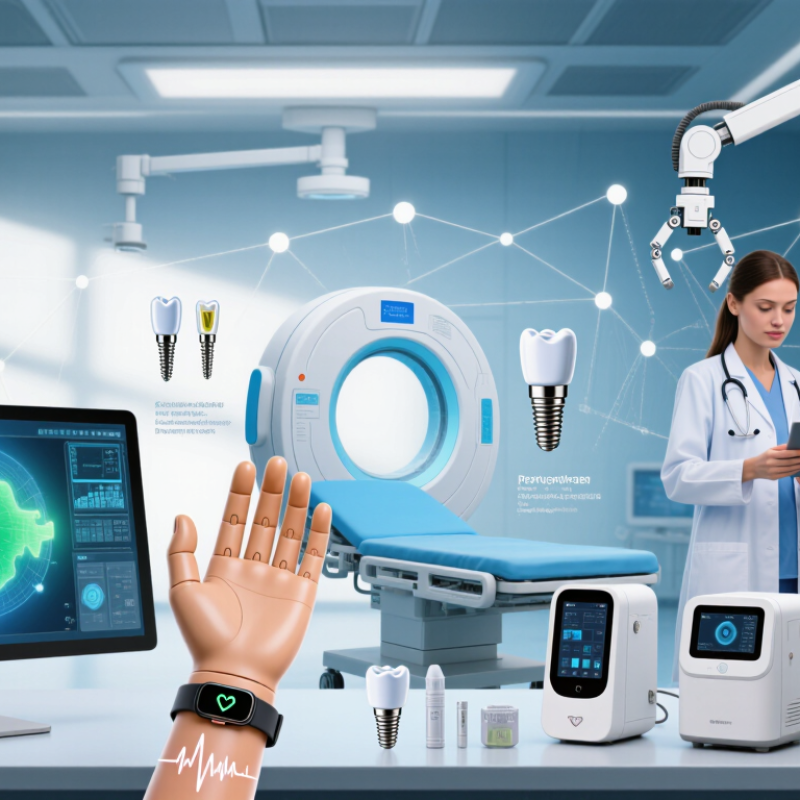
What Are the Top Medical Device Innovation Trends in 2026?

How Medical Device Innovation Is Evolving in 2026

Medical device innovation in 2026 is shifting from isolated products toward connected care. A glucose sensor, for example, may share readings with a care team between appointments. This can help clinicians spot patterns earlier, but only when data is accurate and easy to interpret. More data is not automatically better.

Artificial intelligence is appearing in imaging, monitoring, and decision-support tools. Its value depends on clear limits, representative testing, and meaningful human oversight. Clinicians need to know when a system is uncertain, not just receive a confident-looking alert. Not every device needs AI. In some settings, a simpler tool may be safer and easier to maintain.

Design is also moving beyond the clinic. Smaller sensors and remote monitoring can support follow-up at home, while stronger cybersecurity and interoperable data systems help devices work within broader care pathways. Practical details still matter: battery life, readable instructions, reliable connectivity, and accessible controls can shape everyday use. A device that works in a controlled trial may struggle in a busy ward or a home with unstable internet. That gap deserves more attention. Developers and care teams must keep evaluating performance after deployment, because real-world use can reveal problems that early testing misses.

AI-Enabled Diagnostics and Clinical Decision Support

AI-enabled diagnostics are moving from image flagging toward clinical decision support. A system may mark a faint lung opacity, rank possible causes, and show the clinician which finding triggered its alert. In a crowded clinic, that detail matters. So does a clear route to dismiss a false alarm. The 2025 Stanford AI Index reported 223 FDA-authorized AI-enabled medical devices in 2023, up from six in 2015. That growth signals a widening pipeline, not proof of improved outcomes.

Use is rising, too. The American Medical Association’s 2024 Physician Survey found that 66% of physicians used health AI in practice, compared with 38% in 2023. Adoption alone is not validation. Decision-support tools need testing across age groups, care settings, and image quality levels. A model trained mainly on clear scans may struggle with motion blur or less common disease patterns. Small misses can matter.

The practical trend is toward tools that show confidence, explain their evidence, and fit existing workflows without hiding uncertainty. Clinicians should be able to review the source image and override a suggestion. That is basic, but not always easy. Evaluation should track false alerts, missed findings, and time added to care, not only accuracy in a test set. Better interface design may help; it cannot repair biased data or weak clinical validation.

What Are the Top Medical Device Innovation Trends in 2026?

AI-Enabled Diagnostics and Clinical Decision Support

FDA reporting indicates that about three-quarters of listed AI/ML-enabled medical devices are in radiology. This concentration highlights how image-based diagnostics are an established application, while clinical decision support across other specialties remains an important area for development. Percentages are approximate.

Source: U.S. Food and Drug Administration, Artificial Intelligence and Machine Learning (AI/ML)-Enabled Medical Devices.

Connected Devices and Remote Patient Monitoring

In 2026, connected devices are making remote patient monitoring more continuous and more practical. A blood-pressure cuff, pulse oximeter, or wearable can send readings from home to a care team. The goal is not simply to collect more numbers. It is to notice meaningful changes between appointments. Small signals matter. A rising blood-pressure trend may prompt a timely check-in, while a single unusual reading may need confirmation.

Better-connected systems can combine device readings with symptoms and care plans. Clinicians may review a short trend instead of calling patients to recall measurements from memory. Clear alerts help staff focus on readings that need attention, rather than every minor fluctuation. Still, thresholds should be reviewed by qualified clinicians and suited to the patient. A dashboard can look precise while someone feels worse. That mismatch deserves attention.

Reliable monitoring also depends on ordinary details: a charged device, readable instructions, secure data handling, and a stable connection. Not every household has dependable internet or feels comfortable using connected equipment. Those gaps can distort who benefits. Teams should offer simple setup support and a phone-based alternative where feasible. More data is not always better; sometimes the system needs fewer alerts and a more thoughtful conversation.

Robotics and Minimally Invasive Treatment Systems

Robotic platforms are making minimally invasive procedures more precise, but not automatically safer. Surgeons guide small instruments through narrow openings while viewing magnified images. Motion scaling can reduce hand tremor and support controlled movements in delicate tissue. The operating room still depends on trained teams, careful planning, and sound judgment. No robot operates alone.

In 2026, innovation is moving toward systems that combine robotics with imaging, navigation, and real-time feedback. A surgeon may see vessel boundaries or instrument positions layered over a live view. That can help with complex anatomy, though image quality and registration errors matter. Smaller instruments and flexible scopes may also make selected procedures less disruptive. Recovery varies. Patients should not assume a smaller incision guarantees less pain or a faster return to work.

Designers are also trying to make robotic systems easier to set up, clean, and use across procedure types. Those details matter: a crowded console or delayed instrument change can interrupt workflow. Training remains essential, especially when teams shift between conventional and robotic techniques. Costs, maintenance, and unequal access remain constraints for many hospitals. Some gains may be modest.

Personalized, Sustainable, and Cybersecure Medical Devices

Personalized medical devices are moving beyond standard sizes and fixed settings. A prosthetic socket can be shaped around a patient’s limb, while a wearable sensor can track changes between clinic visits. Useful personalization depends on reliable measurements, clear clinical oversight, and designs patients can adjust safely. More data is not automatically better. Poor fit can persist when the device records activity but misses pain, skin irritation, or daily routines.

Sustainability is becoming a design requirement, not just a purchasing preference. The 2019 Health Care’s Climate Footprint report estimates that healthcare produces 4.4% of global net emissions. For device makers, practical choices include longer-lasting batteries, replaceable components, less packaging, and repairable housings. A single-use sensor may be convenient, but its material footprint deserves scrutiny. Reuse also needs careful cleaning and maintenance; it is not a simple fix.

Cybersecurity matters as connected devices exchange readings with clinical systems and phones. The 2024 Cost of a Data Breach Report put the average healthcare breach cost at 9.77 million dollars. That figure makes secure defaults, encrypted data, timely software updates, and clear support timelines essential. A device should still work safely when a network drops. That detail is easy to overlook. Trade-offs remain: stronger security can add steps for patients, and sustainability goals can conflict with sterile packaging needs. Designers should test those compromises with clinicians and real users, not assume the first prototype is right.

FAQS

How can AI support medical diagnosis?

It can flag findings, rank possible causes, and show which image detail triggered an alert. Clinicians still need to review the source image and make the final judgment.

Does wider use prove that diagnostic AI works well?

No. Physician use rose from 38% in 2023 to 66% in 2024, but adoption does not prove better outcomes. That distinction is easy to miss.

How should clinics evaluate diagnostic tools?

Test them across age groups, care settings, and image quality levels. Track missed findings, false alerts, and extra time—not just test-set accuracy.

Do robotic procedures guarantee faster recovery?

No. Smaller incisions may help in selected procedures, but recovery varies. A patient should not assume less pain or a quick return to work.

What helps robotic systems work safely in the operating room?

Trained teams, careful planning, and sound judgment remain essential. Live image overlays can help, but poor image quality or registration errors may mislead.

What makes a personalized medical device useful?

It should fit the person and support safe adjustments. A sensor might track daily activity, yet miss pain or skin irritation. More data is not always better.

How can medical devices be more sustainable?

Longer-lasting batteries, replaceable parts, repairable housings, and less packaging can reduce waste. Reuse needs careful cleaning. It is not a simple fix.

What cybersecurity details matter for connected devices?

Secure defaults, encrypted data, timely updates, and clear support timelines matter. Devices should also work safely when a network drops. That detail gets overlooked.

Conclusion

Medical Device Innovation Trends in 2026 point toward more connected, intelligent, and patient-centered care. Artificial intelligence is helping clinicians interpret diagnostic information and make better-informed decisions, while connected devices and remote patient monitoring make it easier to track health between appointments. These tools can support earlier intervention and more continuous care, provided their information is used thoughtfully and alongside clinical expertise.

Robotics and minimally invasive treatment systems are also advancing, with the potential to make procedures more precise and recovery less demanding. At the same time, device developers are placing greater emphasis on personalization, designing technologies to better suit individual needs and care settings. Sustainability is becoming an important consideration in materials and product lifecycles, while stronger cybersecurity practices help protect device data and reliability. Together, these developments reflect an evolving field focused on improving outcomes, accessibility, and trust.

Mason

Mason

Mason is a seasoned marketing professional with a deep expertise in the company's offerings and a passion for driving brand awareness. With a strong background in digital marketing strategies, he has an innate ability to connect with diverse audiences and effectively communicate product benefits.......