ZNG Medical
Selecting the right wound care products is crucial for effective healing. A comprehensive Wound Care Product Selection Guide can help both professionals and patients navigate the complex landscape of options. According to recent studies, the global wound care market is expected to reach $20 billion by 2026, highlighting the growing importance of informed choices in this sector.
With the variety of available products, the decision-making process can be overwhelming. The choice can significantly affect healing time, infection rates, and overall patient comfort. A study published in the Journal of Wound Care reported that improper product selection could lead to complications in up to 40% of cases. This statistic underscores the need for a thoughtful approach to wound care.
Moreover, understanding product ingredients and their intended uses is essential. Many patients and caregivers may overlook key details that could influence healing outcomes. It is not uncommon for individuals to settle for familiar brands rather than the most effective options. Reflecting on these choices and seeking information can foster better healing practices and enhance patient care.
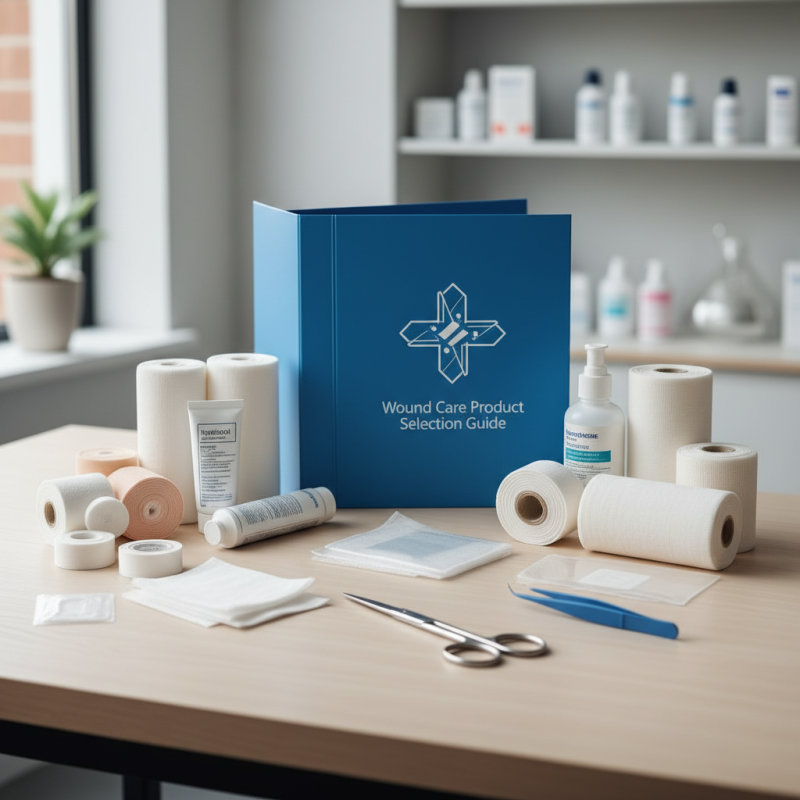
Understanding different types of wound care products can significantly impact healing. Each wound is unique, requiring a tailored approach. For instance, a moist wound environment promotes healing, making hydrocolloid dressings beneficial. Conversely, for heavily exuding wounds, alginate dressings are preferable. These materials absorb excess fluid, preventing maceration.
It's crucial to recognize that not all wounds respond the same way to products. A deep or infected wound may need specialized treatments, while a superficial one could heal effectively with a simple adhesive bandage. Familiarizing yourself with the characteristics of each product can lead to more effective care. However, it’s not uncommon to feel overwhelmed by the options.
Understanding the signs of infection is essential too. Increased redness or pus can indicate complications. This may require a shift in your choice of products, perhaps towards antibacterial or composite dressings. Reflection and flexibility in approach can enhance the wound care experience. Engaging with healthcare professionals ensures that the selected products align with the specific needs of the wound.
Choosing the right wound care products is crucial for effective healing. When selecting wound dressings, several factors must be considered. Firstly, the type and severity of the wound greatly influence your choice. A deep or infected wound requires more specialized care than a minor scrape.
Another key factor is moisture management. Some wounds heal better in a moist environment, while others might need protection from excess moisture. Assess the level of drainage from the wound. This will guide you in choosing between hydrogels, foams, or transparent dressings.
Tips for selecting dressings include checking for adhesive quality. Poor adhesion can lead to dressing failure. Additionally, consider the dressing's ease of application and removal. Complicated products can lead to user errors. Always observe the wound for any signs of infection. If redness or increased pain occurs, re-evaluate your choice. Healing is complicated and can be multifaceted. The right product should support the body's natural healing process while accommodating any unique needs of the wound.
| Tip | Consideration | Example Products |
|---|---|---|
| 1. Assess the Wound Type | Identify whether it's a surgical, diabetic, or pressure sore. | Hydrocolloid, Alginate |
| 2. Determine Exudate Levels | Check if the wound is dry, moderately exuding, or heavily exuding. | Foam Dressings, Hydrogel |
| 3. Evaluate Infection Risk | Look for signs of infection like redness or increasing pain. | Antimicrobial Dressings |
| 4. Consider Patient Comfort | Choose products that minimize pain during dressing changes. | Gentle Adhesive Dressings |
| 5. Look for Breathability | Select dressings that allow moisture vapor to escape. | Transparent Film Dressings |
| 6. Check Adhesive Properties | Ensure the dressing sticks well but does not irritate the skin. | Silicone Adhesive Dressings |
| 7. Ensure Moisture Management | Products should maintain a moist wound environment. | Hydrogel, Foam Dressings |
| 8. Read Product Labels | Review all instructions, indications, and contraindications. | Label Information |
| 9. Consider Cost-effectiveness | Balance price with features and benefits of the product. | Various Product Lines |
| 10. Consult Healthcare Professionals | Seek advice from doctors or wound care specialists. | Professional Recommendations |
When evaluating ingredients and materials in wound care products, it's crucial to consider their efficacy as well as safety. The World Health Organization emphasizes that effective wound healing significantly depends on the right choice of materials. Research indicates that roughly 40% of wound care complications arise from suboptimal products. Therefore, understanding ingredients can be a game changer.
Look for hydrophilic dressings that maintain a moist environment. Studies show that wounds heal 50% faster when kept moist. Check for antimicrobial properties too. Silver, honey, and iodine are often used for their protective benefits. However, excessive use of agents may lead to resistance or irritation. Always verify the concentration levels.
Natural ingredients are emerging as viable options. They can be gentler and less irritating compared to synthetic ones. But, not all natural components are reliable. Some may lack the necessary clinical backing. Balancing natural versus synthetic options requires thorough research. Analyze clinical data and patient feedback on product performance. This approach aids in making informed choices while prioritizing healing outcomes.
Assessing the wound's condition and healing stage is crucial for effective wound care. Different wounds require different approaches. For example, acute wounds, like cuts, might heal quicker than chronic wounds, such as ulcers. Identifying the type of wound will guide you in selecting suitable products.
When examining a wound, note its size, depth, and appearance. Look for signs of infection, such as redness or discharge. A highly exudative wound will need products designed to manage moisture. Conversely, dry wounds may benefit from hydrating dressings. Understanding the wound's stage ensures that you choose the right materials to support healing.
Also, reflect on the patient's overall health. Conditions like diabetes can impede healing. Thus, tailoring the care plan to the individual is essential. Pay attention to how the wound reacts to treatment. Adjustments may be necessary if healing stalls. Each wound is unique, and careful assessment significantly impacts recovery outcomes.
Choosing the right wound care products is crucial for healing. Consulting healthcare professionals is an essential step in this process. These experts can provide personalized recommendations based on your specific needs. Each wound is unique, and so is the care it requires.
Healthcare professionals examine the wound’s type, size, and severity. They consider factors like your medical history and allergies. This thorough approach helps in selecting the most effective products. Their expertise can prevent complications, speeding up recovery. It’s wise to discuss any concerns upfront. Sometimes, the advice you receive may not align with your initial thoughts, prompting you to rethink your choices.
Moreover, not all products work for everyone. A healthcare provider may recommend trying different options. This can be frustrating but is part of understanding what best suits your situation. Regular follow-ups allow for adjustments. This iterative process reinforces trust and ensures you receive care tailored to you. Remember, healing is a journey that requires collaboration and openness to change.
: Consider the wound type, severity, and moisture management. Each wound has unique needs.
Some wounds require moisture for healing, while others need protection from excess moisture.
Check the adhesive quality. Poor adhesion can lead to dressing failure.
They provide personalized recommendations based on wound type and your medical history.
Yes, using an inappropriate dressing can slow down healing and increase complications.
Discuss your allergies with your healthcare provider for safe product recommendations.
Look for signs like redness, increased pain, or drainage. Re-evaluate your dressing choice if these occur.
Yes, sometimes different options are needed to find the best fit for your wound care.
Regular follow-ups allow for adjustments and ensure your care stays tailored to your healing progress.
Healing is a journey that demands collaboration, openness, and a willingness to adapt.
Choosing the right wound care products is crucial for effective healing and recovery. The "Wound Care Product Selection Guide" emphasizes the importance of understanding the various types of wound care products available, as different injuries require specific treatments. Key factors to consider include the wound's condition, the stage of healing, and the materials used in the dressings.
Evaluating the ingredients in wound care products can significantly impact the healing process, as some materials may cause irritation or hinder recovery. Additionally, consulting healthcare professionals can provide tailored recommendations, ensuring that individuals choose the most appropriate products based on their unique needs. By following these guidelines, one can enhance the chances of optimal healing and recovery.
