 ZNG Medical
ZNG Medical
ZNG Medical
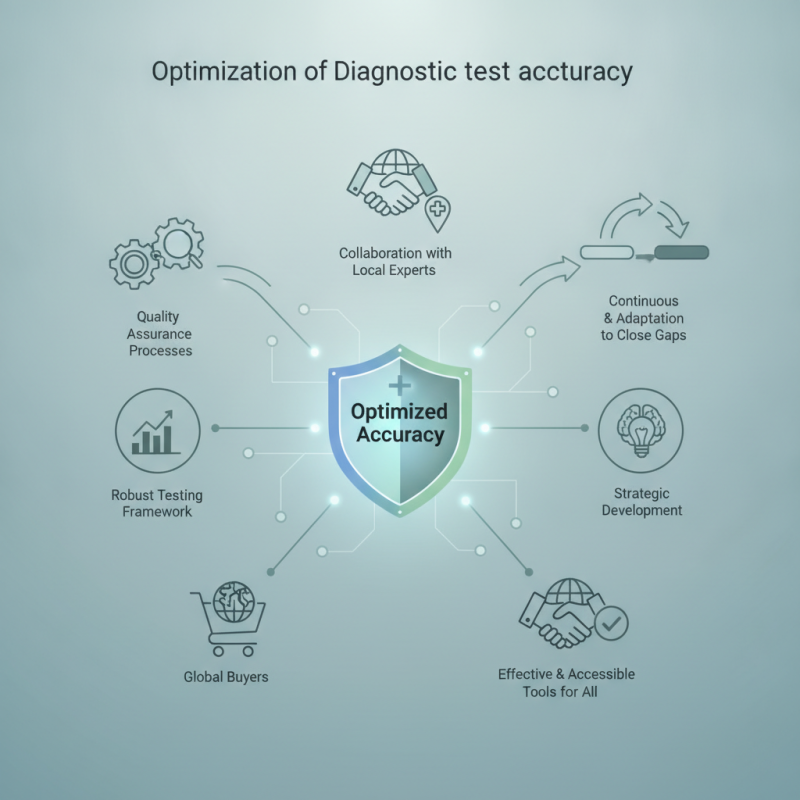
In an increasingly interconnected world, the demand for reliable diagnostic tests has surged. Global buyers seek products that offer not only speed but also accuracy. Optimizing Diagnostic Test Accuracy is crucial in meeting these needs. Stakeholders must navigate various challenges, including differences in healthcare standards and practices across regions.
Investing in quality assurance processes strengthens the trust in diagnostic tests. Developing a robust testing framework is essential for consistent results. However, gaps sometimes arise between expected and actual performance. Continuous reflection and adaptation of strategies can close these gaps.
Furthermore, collaboration with local experts can enhance test relevance. Understanding regional health risks ensures that the tests address specific needs. The goal is to create diagnostic tools that are both effective and accessible, reinforcing the importance of Optimizing Diagnostic Test Accuracy for all buyers across the globe.
Diagnostic test accuracy is crucial for global buyers. Various factors can significantly influence this accuracy. One primary aspect is the test's sensitivity and specificity. Sensitivity measures a test's ability to correctly identify those with the condition. Research indicates that sensitivity rates for certain tests can range from 70% to over 95%. A test with high sensitivity minimizes false negatives, thus enhancing diagnostic reliability.
Another key factor is the quality of samples used in testing. Proper sample collection and handling are vital in ensuring accurate results. According to industry reports, inadequate sample processing can lead to a 20% drop in accuracy. Buyers need to consider laboratory standards. Certifications and adherence to international guidelines can provide more reliable testing results. Not all laboratories uphold the same quality; thus, negative results might stem from poor practices rather than the test itself.
Further, technological advancements are shaping the landscape of diagnostic tests. Automation and artificial intelligence are becoming more prevalent. These technologies can improve accuracy by reducing human error. However, reliance on technology without expert oversight can lead to oversights. It is essential for buyers to balance technology use with professional judgment to enhance test accuracy effectively.
| Factor | Description | Impact on Accuracy | Example |
|---|---|---|---|
| Test Design | The way the test is structured and which parameters it measures. | High influence; better design improves sensitivity and specificity. | PCR versus rapid tests in diagnosing infections. |
| Sample Quality | The integrity and collection method of biological samples. | Critical; poor samples can lead to false negatives. | Inadequate storage conditions affecting blood samples. |
| Regulatory Compliance | Adherence to relevant health authorities' regulations. | Essential; non-compliance can invalidate test results. | CE marking and FDA approval processes. |
| Operator Training | Level of expertise and training of personnel conducting the tests. | Very influential; skilled operators reduce error rates. | Laboratory technicians vs. inexperienced staff. |
| Technological Advancements | Incorporation of new technologies and methods in diagnostics. | Highly beneficial; modern methods often yield more accurate results. | Next-generation sequencing vs. traditional methods. |
: It can reduce misdiagnosis rates by up to 30%. Better accuracy enhances patient outcomes and trust.
Rigorous validation in diverse populations increases sensitivity by 20%. Tailoring tests to demographics addresses variables.
Improved specificity minimizes false positives. This reduces unnecessary anxiety for patients.
Regular analysis and feedback loops are essential. Engaging in dialogue helps adapt tests to clinical needs.
Up to 30% of tests may yield inaccurate results due to poor data handling. This undermines patient care.
Consistent data collection, staff training, and regular audits improve reliability and trust in tests.
It helps prevent errors that can arise from transcription mistakes. Keeping skills updated is crucial for accuracy.
Open dialogues among stakeholders can expose gaps in the market. Understanding diverse needs enhances relevance.
Incorporating real-world user experiences can reveal shortcomings. However, not all feedback may be useful.
Streamlining processes helps reach wider audiences. Balancing complexity with usability is key for effective usage.
Optimizing Diagnostic Test Accuracy is crucial for meeting the needs of global buyers and ensuring effective healthcare solutions. Key factors influencing this accuracy include understanding regulatory standards, which guide the optimization process and ensure tests meet necessary safety and effectiveness criteria. Strategies to improve sensitivity and specificity play an integral role in enhancing diagnostic reliability, while maintaining high data integrity and quality is essential for accurate results.
Additionally, collaborative approaches among stakeholders can facilitate improved accessibility to diagnostics across global markets. By incorporating feedback from diverse healthcare systems, developers can refine their tests, ultimately leading to greater trust and utilization among healthcare providers and patients worldwide. The emphasis on optimizing these tests is not only about enhancing quality but also about fostering equity in healthcare access and outcomes.
