ZNG Medical
Managing hospital equipment costs is a critical aspect of healthcare administration. Effective Hospital Equipment Cost Management can alleviate financial strain on healthcare facilities. It ensures that resources are utilized efficiently, enhancing patient care while maintaining fiscal responsibility.
Healthcare providers face rising costs and stringent budgets. Outdated equipment can lead to increased maintenance expenses. Conversely, investing in advanced technology can seem daunting. Finding the balance between quality and cost is essential. Implementing systematic approaches can lead to thoughtful spending.
Leveraging data analytics helps track equipment usage and costs. This method allows hospitals to make informed decisions. Regular audits and evaluations can identify underutilized resources. Continuous improvement requires reevaluation. Hospitals ought to challenge their current practices to remain sustainable in the long term.
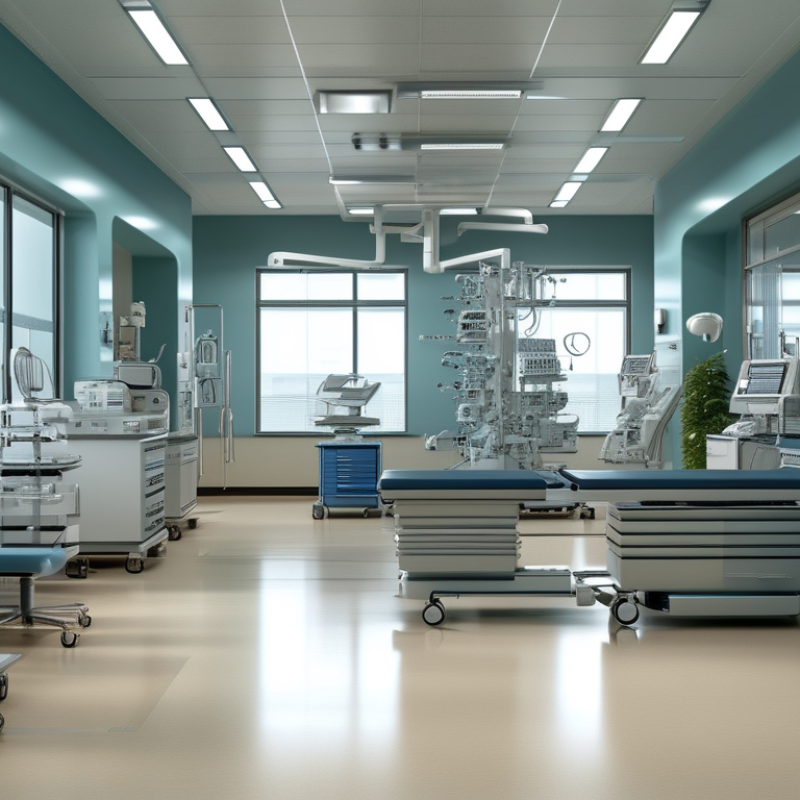
Understanding hospital equipment costs is crucial for effective management. Hospitals face significant financial pressure. Equipment is often one of the largest expenses. This includes both acquisition and maintenance costs, which can strain budgets. An overview of these costs helps identify areas for improvement.
First, consider the initial purchasing price. This is just the tip of the iceberg. Additional costs such as installation and training can escalate expenses quickly. Moreover, ongoing maintenance often gets overlooked. Hospitals need to plan for regular servicing and potential repairs. Budgeting for these expenses is essential to avoid unexpected financial burdens.
Another aspect is the lifespan of equipment. Some devices become outdated quickly. Investing in technology that needs frequent upgrades can be costly over time. Evaluating the total cost of ownership is vital for financial stability. Decision-makers must ask hard questions about current assets. Are they yielding the best return? What are the long-term implications of each purchase? Taking these factors into account can lead to more informed, strategic choices in managing hospital equipment costs.
Managing hospital equipment costs effectively requires a keen understanding of the factors influencing expenses. First, the initial purchase price is often just the tip of the iceberg. Ongoing maintenance, operational costs, and potential downtime should be major considerations. Failing to account for these can lead to unexpected financial burdens. Each piece of equipment has its own lifecycle. Understanding this can help hospitals plan better.
Another key factor is the training and expertise required to operate equipment effectively. Staff education and training often incur hidden costs. When staff are not well-trained, equipment may not be used to its full potential. This inefficiency leads to increased operational expenses. Equipment purchase should align with the skill set of the staff. If not, retraining could become a costly necessity.
Lastly, consider the role of technology in managing equipment expenses. Investing in advanced tracking and analytics systems can provide valuable insights. Some hospitals still rely on outdated methods, missing out on potential savings. Regular audits help identify underused equipment. This reflection can foster better resource allocation. Understanding these nuances is essential for managing hospital equipment costs wisely.
Effective budgeting and cost-sharing strategies in healthcare settings can significantly impact hospital equipment costs. One approach is to assess equipment utilization regularly. This helps identify underused assets. Resources can then be shared among departments, reducing duplication. For instance, a shared ultrasound machine can serve multiple units, optimizing usage.
Another strategy involves engaging staff in cost management. Healthcare professionals often have valuable insights. Regular meetings can encourage suggestions for more efficient equipment use. Staff might propose alternatives that save money without sacrificing quality. Transparency in expenditures can also motivate everyone to stick to budgets.
Furthermore, considering leasing options rather than purchasing can lighten the financial load. Leasing provides access to modern equipment without substantial upfront costs. Nonetheless, there is a risk of higher long-term expenses. Evaluating the total cost of ownership is crucial before making leasing decisions. Always weigh immediate cash flow benefits against future financial obligations.
Effective procurement practices are crucial in managing hospital equipment costs. According to a report by the Advisory Board, medical equipment accounts for almost 40% of hospital capital expenditures. Hospitals must evaluate their procurement strategies to ensure they maximize value and minimize waste.
One key strategy involves leveraging data analytics. Healthcare organizations can analyze usage patterns and equipment performance metrics. This data helps identify underutilized equipment, which can lead to costly inefficiencies. For instance, if a hospital finds that certain imaging equipment is used only 50% of the time, it may consider sharing resources with nearby facilities. Such collaboration can significantly reduce costs.
Moreover, engaging in group purchasing organizations (GPOs) can provide significant savings. A study by the Health Industry Distributors Association indicates that hospitals using GPOs can save up to 18% on equipment costs. However, reliance on GPOs must be balanced with careful evaluation of specific needs. Not all shared contracts fit every organization’s requirements perfectly, leading to misalignment in procurement decisions.
Evaluating and optimizing equipment usage are crucial steps in managing hospital equipment costs. According to a 2021 report by the Healthcare Financial Management Association, hospitals can spend up to 25% of their annual budget on medical equipment. Effective usage analysis can significantly reduce these figures. Hospitals should conduct regular audits of their equipment. Tracking usage data helps identify underutilized assets. This insight allows for smarter purchasing decisions and reduces unnecessary expenditures.
Monitoring equipment performance is essential for cost management. The Equipment Management Journal highlights that nearly 30% of medical equipment goes unused. This underlines the need for proactive measures. Implementing a maintenance schedule can enhance longevity and performance. Regular maintenance ensures equipment runs optimally, minimizing costly repairs. Additionally, training staff effectively on equipment usage can prevent mishandling and extend the life of each asset.
Hospitals can also benefit from leasing equipment instead of purchasing. A study by the American Hospital Association found that leasing can lower upfront costs by up to 15%. This approach can provide flexibility while reducing the financial burden associated with ownership. Adopting a data-driven approach to equipment management can ultimately lead to more informed decisions and significant cost savings. Each hospital's unique needs will shape the methods they choose to optimize usage.
| Equipment Type | Initial Cost ($) | Annual Maintenance Cost ($) | Usage Hours/Week | Depreciation Rate (%) | Cost Per Use ($) |
|---|---|---|---|---|---|
| MRI Machine | 1,500,000 | 50,000 | 20 | 10 | 75 |
| CT Scanner | 900,000 | 40,000 | 25 | 15 | 60 |
| Ultrasound Machine | 150,000 | 15,000 | 30 | 7 | 50 |
| X-Ray Machine | 250,000 | 10,000 | 35 | 5 | 35 |
| Defibrillator | 30,000 | 2,000 | 50 | 8 | 20 |
: Effective procurement reduces costs and manages hospital equipment expenses. Medical equipment can account for 40% of hospital expenditures.
Data analytics identifies usage patterns and performance metrics. It reveals underutilized equipment, which leads to cost inefficiencies.
GPOs can save hospitals up to 18% on equipment costs. Yet, it is vital to assess specific needs carefully.
Regular audits are essential. They help track usage data and identify assets that aren’t used effectively.
Maintaining a schedule and training staff can enhance equipment performance. This minimizes the risk of costly repairs.
Yes, leasing can reduce upfront costs by up to 15%. It allows flexibility without the burden of ownership.
Nearly 30% of medical equipment goes unused. This highlights the importance of effective management and evaluation.
Regular maintenance and proper staff training can extend the life of equipment. These practices prevent mishandling and mistakes.
No, not all GPO contracts suit every organization. Misalignment can occur, requiring careful evaluation before decisions.
Usage analysis can lead to smarter purchasing decisions. It reduces unnecessary expenditures by identifying underutilized assets.
Effective Hospital Equipment Cost Management is crucial for healthcare institutions looking to optimize their financial performance. The process begins with a comprehensive understanding of hospital equipment costs, encompassing both direct expenses and those influenced by various external factors. Identifying these key factors allows healthcare administrators to create targeted strategies for budgeting and cost-sharing, ensuring a more efficient allocation of resources.
To further enhance cost management, implementing effective procurement practices is essential. This involves analyzing purchasing strategies and negotiating better terms with suppliers. Additionally, regularly evaluating and optimizing equipment usage can identify underutilized assets, thereby minimizing unnecessary expenses. By focusing on these elements, healthcare facilities can achieve sustainable hospital equipment cost management, ultimately leading to improved patient care and operational efficiency.
