ZNG Medical
Maintaining healthcare equipment is crucial for patient safety and operational efficiency. A well-structured Healthcare Equipment Maintenance Checklist can ensure proper care and longevity. Effective maintenance reduces the risk of equipment failure and enhances the reliability of medical devices.
In the fast-paced healthcare environment, buyers must prioritize maintenance. They need practical tips to navigate the complexities of healthcare equipment. A comprehensive checklist serves as an essential tool that guides buyers in assessing and managing their equipment’s condition efficiently.
Investing time in developing a thorough maintenance checklist may seem tedious, but neglecting this task can lead to significant consequences. Delays and errors could impact patient care directly. By addressing common maintenance pitfalls, healthcare facilities can improve equipment reliability and ensure safe operations, supporting their commitment to quality care.
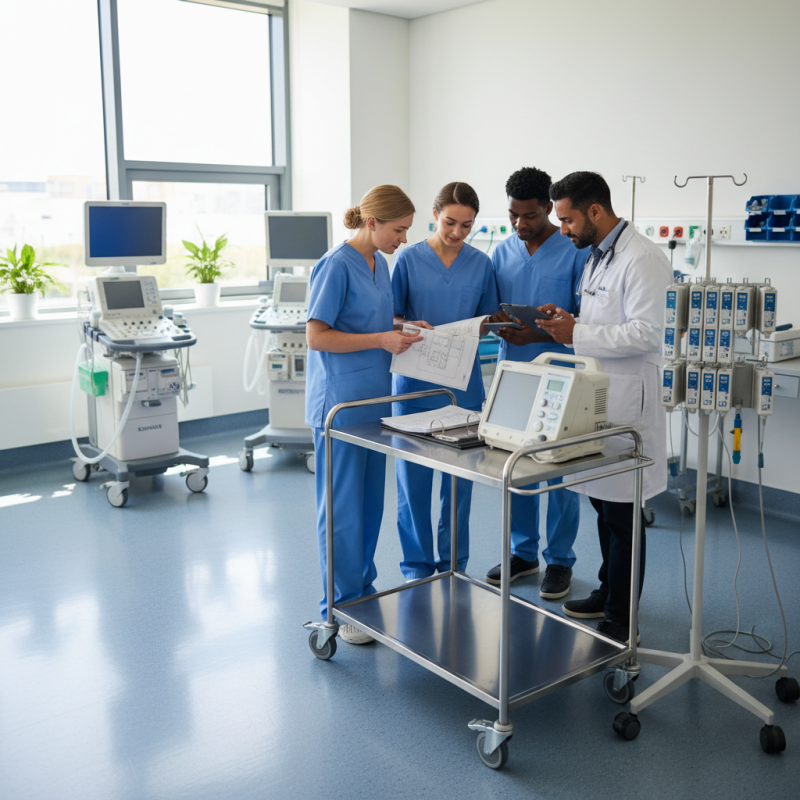
Healthcare equipment maintenance is crucial for ensuring patient safety and operational efficiency. Regular checks help prevent unexpected failures. This not only saves time but also protects a healthcare facility's reputation. Many buyers overlook maintenance, which can lead to costly issues later on.
One essential tip is to keep a detailed log of maintenance activities. This log should include dates, services performed, and technician details. It provides a clear history of the equipment, making it easier to track any recurring issues. Another useful tip is to involve staff in the maintenance process. Encourage them to report any malfunctions promptly. Their firsthand experiences can lead to quicker resolutions.
Investing in training for staff is vital. A well-trained team can spot early signs of wear and tear. Training reduces the risk of equipment failure. Regularly updating maintenance protocols can also enhance reliability. A simple review of these protocols can highlight areas needing improvement. This commitment to maintenance fosters a culture of safety and accountability.
In the healthcare field, maintaining medical equipment is crucial for patient safety. Essential safety standards ensure that equipment functions properly. Regular checks prevent malfunctions that can lead to serious incidents. Each piece of equipment requires a unique approach to care. Adhering to safety standards builds a reliable healthcare environment.
Tips for maintenance include developing a routine inspection schedule. Ensure that all devices are checked periodically. This includes not only the workings but also cleanliness. Filthy equipment can harbor germs, risking patient health. Another important practice is training staff regularly. Knowledgeable personnel can catch issues before they escalate.
Documentation should not be overlooked. Keeping maintenance logs increases accountability. It also provides insights into equipment performance trends. Acknowledge that even the best systems can have flaws. Be prepared to make adjustments during the maintenance process. Recognizing discrepancies could save lives. Prioritizing these aspects ensures the safety of both patients and healthcare professionals.
Creating a comprehensive maintenance checklist is crucial for healthcare equipment management. An effective checklist should include critical components like safety inspections, performance verification, and calibration records. According to a report by the Healthcare Technology Management Association, over 40% of medical equipment failures can be traced back to inadequate maintenance practices. This statistic highlights the importance of routine assessments and thorough documentation.
Regularly scheduled preventive maintenance is essential. It reduces unexpected equipment failures, which can lead to costly downtime. Many healthcare facilities overlook the importance of operator training. Properly trained staff can quickly identify and report issues. This proactive approach enhances overall equipment reliability and extends lifespan.
Additionally, tracking equipment service history is vital. Data analytics can reveal trends in equipment performance. This insight allows facility managers to make informed decisions about replacements or upgrades. Maintaining a record of service activities can improve compliance with regulatory standards. However, many organizations often lack such meticulous documentation, leading to gaps in accountability.
Regular equipment inspections are crucial in healthcare settings. They ensure that medical devices function optimally and meet safety standards. Schedule inspections consistently to minimize unexpected failures. This approach saves time and resources.
Find a reliable technician or expert for your inspections. They should understand the specific requirements of different equipment. Their knowledge can help spot issues early. Invest time in training your staff also. Empower them to recognize early warning signs of equipment malfunction.
Document each inspection process thoroughly. Note any repairs or maintenance performed. This record helps track the history and condition of each device. An organized log can reveal patterns over time. It's a useful tool for making informed decisions about future repairs or replacements. Regular evaluation of this data creates a proactive maintenance culture.
When selecting healthcare equipment service providers, qualifications are crucial. Look for companies with extensive experience in the healthcare sector. Providers should have a good track record and proper certifications. This ensures they understand the specific needs of medical equipment maintenance.
Consider requesting references from previous clients. Speaking to other healthcare facilities can provide insights into the reliability and responsiveness of the service. A service provider's reputation often reflects its commitment to quality. Another aspect to evaluate is their ability to handle unexpected issues. Equipment can malfunction at any time, and timely support is essential.
Communication is key. A good provider should clearly explain the maintenance process and costs. Transparency helps to build trust and avoid future misunderstandings. Assess their availability for emergency services as well. This can make a significant difference in maintaining essential healthcare operations. It’s also beneficial to review their adherence to safety regulations. This factor influences not just equipment performance but also overall patient care.
: It ensures patient safety and prevents unexpected equipment failures.
They provide a history of equipment service, making it easier to track issues.
Dates, services performed, and technician details are essential.
Staff can report malfunctions quickly, leading to faster resolutions.
A trained team can identify early signs of wear, reducing failure risks.
Regular checks should be scheduled for all devices to ensure proper functioning.
It can harbor germs, putting patient health at risk.
Maintenance logs provide performance insights and highlight any recurring issues.
Yes, this can improve reliability and highlight areas for enhancement.
Even the best systems can have flaws; adjustments may be necessary.
Maintaining healthcare equipment is crucial for ensuring patient safety and care quality. A well-structured Healthcare Equipment Maintenance Checklist serves as a vital tool to help buyers understand the essential safety standards required for medical equipment. This checklist should include key components such as routine inspections, performance evaluations, and documentation practices, which are necessary for compliance with industry regulations.
Additionally, implementing best practices for scheduling regular equipment inspections can significantly extend the lifespan of medical devices and reduce costs associated with untimely failures. When selecting service providers, it's imperative to choose qualified professionals who can ensure that the maintenance checklist is followed diligently. By adhering to these guidelines, healthcare facilities can enhance operational efficiency and promote a safer environment for both patients and staff.
