ZNG Medical
In the ever-evolving field of cardiology, maintaining high standards in device care is crucial. According to Dr. Susan Thomas, a renowned expert in cardiology device maintenance, "Proper maintenance is not just a checklist; it is vital for patient safety." Her insights reflect the importance of having a comprehensive framework in place.
The "Cardiology Device Maintenance Guide" serves as an essential resource for healthcare professionals. This guide outlines best practices to ensure the longevity and performance of vital cardiac devices. It emphasizes proactive maintenance strategies, which can mitigate potential risks.
Many facilities struggle with maintenance protocols. Sometimes, devices are overlooked or serviced irregularly. This can lead to preventable failures, putting patients at risk. By adopting the standards suggested in the guide, healthcare providers can enhance device reliability. Yet, the industry must continually reflect on past practices and improve approaches to device care.
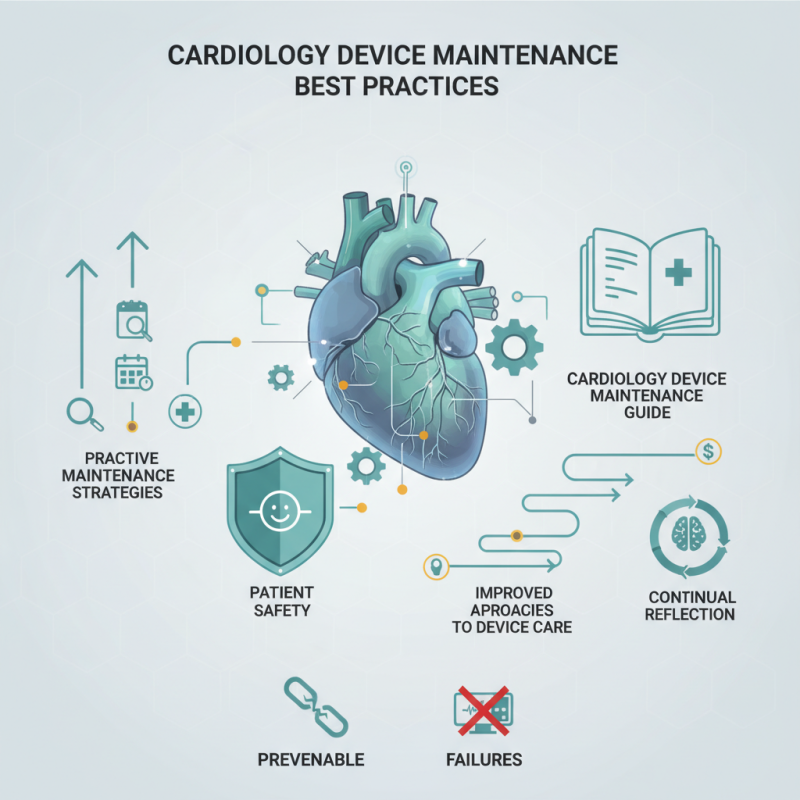
Regular maintenance of cardiology devices is crucial for ensuring patient safety and optimal performance. According to the American College of Cardiology, approximately 30% of device-related incidents are due to inadequate maintenance practices. This statistic highlights the importance of routine checks and servicing to prevent potential failures. Devices such as pacemakers and defibrillators require careful attention, as even minor issues can lead to significant adverse outcomes.
Routine maintenance not only prolongs the life of the equipment but also enhances its reliability. A study from the Journal of Healthcare Engineering indicates that institutions performing regular maintenance notice a 25% reduction in device malfunctions. This proactive approach is essential. Technicians must be trained to recognize early signs of wear and tear. Devices left unchecked may not function in critical moments.
Moreover, compliance with recommended maintenance schedules is vital. A survey from the Institute for Healthcare Improvement found that nearly 40% of healthcare facilities fail to follow best practices in device maintenance. This gap in compliance can lead to unsafe patient conditions, emphasizing the need for improved training and protocols. By prioritizing maintenance, healthcare providers can significantly mitigate risks and ensure better patient outcomes.
In the realm of cardiology, various devices play a crucial role in patient care. Pacemakers, for example, require meticulous attention. Their batteries must be monitored regularly. Technicians should check the lead connections, ensuring there are no signs of wear. Over time, the device can experience issues. Regular follow-ups are essential for early detection.
Implantable cardioverter-defibrillators (ICDs) have specific needs too. They must be inspected for software updates. Technicians should ensure proper programming is in place. Any signs of malfunction should prompt an immediate assessment. Maintenance protocols should address battery status, too. It is essential for prolonging the device's efficacy.
Monitoring external devices, like Holter monitors, also demands care. These require timely connection checks. The integrity of leads is vital for accurate readings. Technicians often overlook them, which can lead to false results. Regular training on device handling could enhance care quality. Establishing a clear protocol for maintenance can help ensure optimal performance while providing reliable support for patient health.
Cleaning and sterilizing cardiology equipment is crucial for patient safety. According to a study by the Centers for Disease Control and Prevention (CDC), improper cleaning can lead to infections in 1 out of 20 patients. This highlights the importance of adhering to established guidelines for maintaining device hygiene.
Routine cleaning involves using appropriate detergents. Devices should be wiped down immediately after use. This helps minimize biofilm formation, which can harbor harmful bacteria. A common mistake is neglecting the internal parts of devices, where debris can accumulate and compromise functionality. Regular training for staff is essential to ensure everyone understands cleaning protocols.
Sterilization is another critical step. Many cardiology devices require high-level disinfection or steam sterilization. A study published in the American Journal of Infection Control found that 15% of healthcare facilities do not follow sterilization protocols properly. This negligence can increase the risk of healthcare-associated infections. Using the right sterilization methods not only protects patients but also prolongs the lifespan of expensive equipment. Regular audits and quality control checks are critical to identify lapses and ensure compliance with best practices.
Monitoring device performance in cardiology requires attention to specific metrics. Key factors include battery life, lead integrity, and signal quality. Regularly checking these metrics can prevent device failure. For instance, a decline in battery life might indicate the need for early intervention. Clinicians must establish a routine to track these essential aspects.
Frequency of monitoring varies based on the device type and patient risk factors. High-risk patients may need weekly assessments, while stable patients might be monitored monthly. Consistent reviews help identify issues before they escalate. Devices not monitored properly may deliver inaccurate data, which could lead to misdiagnosis.
Unanticipated device behaviors can arise. For example, signal interference might not be apparent during routine checks. Maintaining a proactive approach encourages early detection of potential failures. Documenting these findings is crucial for ongoing device evaluation. This iterative process fosters improvements in patient outcomes and enhances the overall reliability of cardiology devices.
Training staff on proper handling and maintenance protocols for cardiology devices is crucial. A well-trained team can significantly reduce the risk of device malfunction. According to a study by the American Journal of Cardiology, over 30% of malfunctions are linked to operator errors. Staff should receive thorough training on each device's intricacies, focusing on manufacturer guidelines and best practices.
Tips for effective training include hands-on workshops and simulation exercises. These approaches reinforce learning and allow staff to practice in a safe environment. Regular refresher courses keep knowledge current. Moreover, integrating a mentorship program can support new staff, bridging any experience gaps.
Consistency is key; without it, lapses in care can occur. Rarely is there a perfect record in device maintenance. A recent survey reported that 25% of healthcare providers reported inconsistent maintenance practices. Tracking performance metrics can help identify areas needing improvement. Regular assessments ensure staff adhere to protocols, enhancing overall device safety and reliability.
| Device Type | Maintenance Frequency | Staff Training Required | Common Issues | Best Practices |
|---|---|---|---|---|
| Defibrillator | Monthly | Yes | Battery failure, software issues | Regular software updates, battery checks |
| Pacemaker | Every 6 months | Yes | Lead dislodgement, infection risk | Sterile handling, lead testing |
| ECG Machine | Every 3 months | Yes | Calibration issues, electrode failure | Regular calibration, proper electrode storage |
| Ultrasound Device | Annually | Yes | Image quality degradation | Regular cleaning, probe inspection |
: Proper cleaning prevents infections. It is essential for patient safety.
Routine cleaning involves using suitable detergents. Devices are wiped down right after use.
A common mistake is neglecting internal parts. Debris can accumulate and affect functionality.
Regular training is crucial. It ensures everyone knows the cleaning procedures.
High-level disinfection or steam sterilization is usually needed. Proper methods are vital for patient safety.
Negligence can lead to healthcare-associated infections. Compliance is necessary to protect patients.
It varies by device type. High-risk patients may need weekly assessments; stable patients may need monthly checks.
Important metrics include battery life, lead integrity, and signal quality. Regular checks can prevent failures.
Maintain a proactive approach. Early detection is critical for addressing potential failures.
Documentation helps improve ongoing device evaluation. It enhances patient outcomes and reliability.
The "Cardiology Device Maintenance Guide" emphasizes the crucial need for regular maintenance of cardiology devices to ensure optimal performance and patient safety. It highlights various types of cardiology equipment, outlining their specific care requirements to prevent malfunctions and enhance longevity. The guide also delineates best practices for cleaning and sterilizing devices, which are essential in minimizing infection risks.
Monitoring device performance is another vital aspect covered, with key metrics and suggested frequency for evaluations to ensure equipment reliability. Lastly, the importance of training staff on proper handling and maintenance protocols is underscored, as educated personnel are fundamental in upholding the standards of device care. Following these best practices can significantly improve the functionality and safety of cardiology devices in clinical settings.
