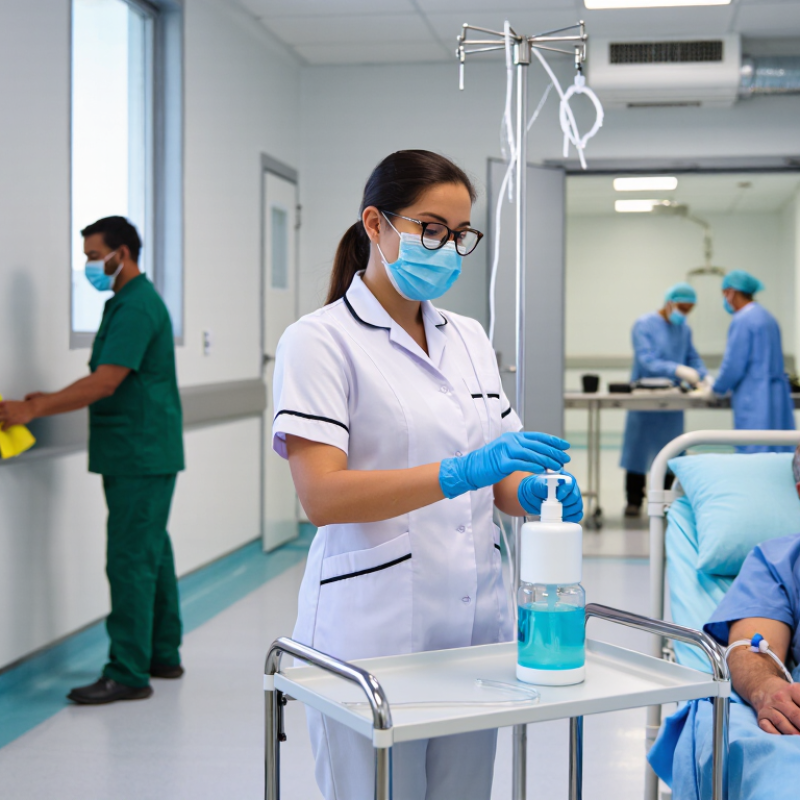
Hospital Infection Control Measures are not abstract policies kept in binders. They shape what happens beside every patient’s bed, sink, trolley, and operating table. A nurse cleans her hands before touching a catheter. A cleaner checks whether disinfectant has covered the full rail, not only its visible center. These small actions can interrupt transmission when consistently performed.
Professor Didier Pittet, a leading infection-prevention specialist and founder of the WHO Clean Care is Safer Care programme, has stated: “Hand hygiene is the most important measure to prevent the spread of infections.” His message remains practical. Effective Hospital Infection Control Measures combine hand hygiene, environmental cleaning, personal protective equipment, safe injection practices, ventilation, vaccination, and reliable surveillance. They also require trained staff who understand why each step matters.
Yet improvement is rarely perfect. A hospital may display excellent posters while alcohol-based hand rub dispensers remain empty. Staff may follow precautions during inspections, then struggle during crowded night shifts. Audit scores can look reassuring, but they may miss hurried care, unclear isolation signs, or delayed laboratory reporting. This is where honest review matters. Leaders should observe real workflows, listen to frontline concerns, and correct hazards quickly. Clear accountability supports trust, but blame can silence useful warnings. The strongest infection-control programme therefore treats every near miss as evidence for learning, not as a reason to hide weakness. Consistent practice protects patients, visitors, and healthcare workers alike.
Understanding the Main Sources of Hospital-Acquired Infections
Hospital-acquired infections often begin with ordinary contact, not dramatic events. Hands are a major source, especially after touching bed rails, curtains, phones, or shared blood-pressure cuffs. A missed cleaning moment can transfer organisms between patients within minutes. Staff may also carry germs from sinks, keyboards, and poorly cleaned work surfaces.
Medical devices create another important pathway. Urinary catheters, intravenous lines, and ventilator tubing can bypass the body’s natural defenses. Infection risk rises when insertion technique is weak, dressings become damp, or devices stay in place without daily review. Surgical wounds and pressure injuries also allow organisms to enter damaged tissue. Coughs and close conversation spread respiratory infections, while contaminated water, food, or equipment can affect several patients.
Control measures must match these sources. Staff need practical hand hygiene training, visible access to cleaning supplies, and regular observation with honest feedback. Equipment should be disinfected between patients, not only at the end of a shift. Catheters and lines require clear removal criteria. Isolation rooms, masks, ventilation, and careful waste handling can reduce airborne and contact spread.
No ward performs perfectly. A checklist may become decoration when workload increases. Leaders should examine near misses, question routine habits, and share results with clinical teams. Reliable prevention depends on repeated behavior, accurate surveillance, and the willingness to admit when a process is failing.
Establishing Effective Hand Hygiene and Personal Protection Practices
How to Improve Hospital Infection Control Measures
Establishing Effective Hand Hygiene and Personal Protection Practices
Infection control begins where care begins: at the doorway, bedside, and treatment trolley. Staff should clean their hands before touching a patient and after contact with body fluids. Alcohol-based hand rub is useful when hands look clean. Soap and water are necessary when hands are visibly soiled. Fingernails should stay short, with no artificial nails or chipped polish. These small details are easy to overlook during a crowded shift.
Personal protective equipment must match the exposure risk, not the task’s title. Gloves help prevent contamination, but they do not replace hand hygiene. A gown should cover exposed clothing, while eye protection matters during procedures that may create splashes. Masks must fit securely and be changed when damp or damaged.
In practice, teams may clean their hands properly, then touch a phone before putting on gloves. That gap deserves honest review.
Hospitals can support safer habits with dispensers near beds, clear reminders, and practical training. Supervisors should observe technique respectfully and share results without blaming individuals. Supplies must remain available during night shifts, not only during inspections. Staff should report empty dispensers, torn gloves, and unclear isolation instructions quickly. Some routines still fail under pressure. Regular audits and brief team discussions can reveal why.
A patient asking, “Did you clean your hands?” should be welcomed, not treated as criticism.
Strengthening Cleaning, Disinfection, and Sterilization Procedures
Hospital infection control depends on disciplined cleaning, disinfection, and sterilization. These steps must work as one system, not as isolated tasks. The World Health Organization’s Global Report on Infection Prevention and Control (2022) estimates that about 7 in 100 acute-care patients in high-income countries acquire at least one healthcare-associated infection. The figure rises to approximately 15 in 100 in low- and middle-income countries.
Cleaning must remove visible soil before disinfection begins. A disinfectant cannot reliably reach microorganisms beneath dried blood or organic residue. Staff should follow validated contact times, correct dilution levels, and manufacturer-approved methods. Sterilization requires even tighter control. Each cycle needs documented temperature, pressure, exposure time, and biological monitoring where appropriate. The CDC’s Guideline for Disinfection and Sterilization emphasizes that inadequate monitoring can leave critical instruments unsafe. Yet busy departments still record checks after the event. That weakness deserves attention.
Tips: Use color-coded cleaning tools by room type. Mark high-touch surfaces, such as bed rails and call buttons, during audits. Train staff with fluorescent markers and direct observation. Review failed sterilization indicators immediately. Store sterile packs in dry, closed cabinets. Do not assume a clean appearance proves safety. A perfect checklist does not exist. Teams should question shortcuts, investigate repeated failures, and revise procedures when evidence shows a gap. WHO’s 2022 report also links strong infection-prevention programs with trained personnel, reliable supplies, and regular surveillance. Without those foundations, even excellent written procedures may remain only paperwork.
Improving Patient Isolation and Healthcare Waste Management
Isolation works only when the process is visible, timely, and practical. At admission, staff should assess transmission risk, place symptomatic patients promptly, and document room status. Clear door signage matters. Bedside audits often reveal preventable gaps, such as shared blood-pressure cuffs or delayed mask replacement. Dedicated equipment reduces unnecessary movement between rooms. It also protects staff during busy shifts.
The World Health Organization’s 2022 Global Report on Infection Prevention and Control estimates that healthcare-associated infections affect about 7 in 100 acute-care patients in high-income countries and 15 in 100 in low- and middle-income countries. These figures make isolation more than a paperwork exercise. Hand hygiene remains essential before entry and after exit. Yet compliance can fall when sinks are distant, gloves are poorly stocked, or isolation rules change without briefing. That weakness deserves honest review.
Waste control begins where waste is created. WHO reports that approximately 85% of healthcare waste is general, while 15% is hazardous. Mixing these streams increases handling risks and disposal costs. Clearly labeled, pedal-operated bins should sit beside treatment areas. Sharps containers must remain upright and should never be overfilled. Staff need repeated training, not one annual presentation. Supervisors can review segregation errors weekly, using photographs from real clinical areas. Some errors will still occur. The response should focus on redesigning the workflow, rather than blaming one worker.
How to Improve Hospital Infection Control Measures
Healthcare waste composition and its relevance to patient isolation and safe waste handling
According to the World Health Organization, approximately 85% of healthcare waste is general, non-hazardous waste, while about 15% is hazardous. The hazardous portion includes approximately 10% infectious waste and 5% chemical, pharmaceutical, radioactive, or other hazardous waste. Correct segregation, sealed transport, and appropriate treatment help reduce exposure risks in isolation areas.
Source: World Health Organization, “Health-care waste” fact sheet.
Monitoring Infection Risks and Continuously Updating Control Measures
Effective hospital infection control begins with watching risks as they change. Infection prevention teams should review hand hygiene observations, surgical-site infections, respiratory symptoms, and environmental cultures. A quiet ward does not always mean a safe ward. Missing data can hide a growing problem.
Daily monitoring works best when staff record details at the point of care. They can note crowded rooms, delayed isolation, damaged equipment, or inconsistent mask use. Weekly reviews may reveal patterns that individual shifts miss. Clinicians, nurses, cleaners, and laboratory staff should discuss these findings together. Their practical experience often explains what a spreadsheet cannot.
Control measures must be updated when evidence or local conditions change. A rise in respiratory infections may require faster screening, improved ventilation checks, or revised patient placement. Training should use real examples, such as a missed hand-cleaning step before wound care. Short audits can test whether new procedures work. Not perfectly.
Hospitals should compare their results with current public health guidance and credible clinical research. Leaders also need to document decisions, responsible staff, and review dates. This creates accountability and supports consistent action. Some interventions will fail. That failure deserves honest analysis, not quiet removal from the record. When staff can report problems without fear, monitoring becomes more accurate, and infection control measures remain responsive to actual conditions.
Conclusion
Hospital Infection Control Measures are essential for reducing the spread of hospital-acquired infections and protecting patients, healthcare workers, and visitors. Effective prevention begins with identifying common infection sources, including contaminated hands, medical equipment, surfaces, air, water, and contact between individuals. Healthcare facilities should establish consistent hand hygiene practices, use appropriate personal protective equipment, and provide regular training so that staff follow safe procedures in every clinical situation.
Strong cleaning, disinfection, and sterilization systems are also necessary to keep the care environment safe. Patients who may carry contagious infections should be isolated according to their transmission risks, while healthcare waste must be separated, handled, transported, and disposed of responsibly. Continuous monitoring can help identify infection trends, procedural weaknesses, and emerging risks. By reviewing data, auditing compliance, and updating policies as conditions change, hospitals can build a more reliable infection control system and promote safer, higher-quality patient care.
 ZNG Medical
