ZNG Medical
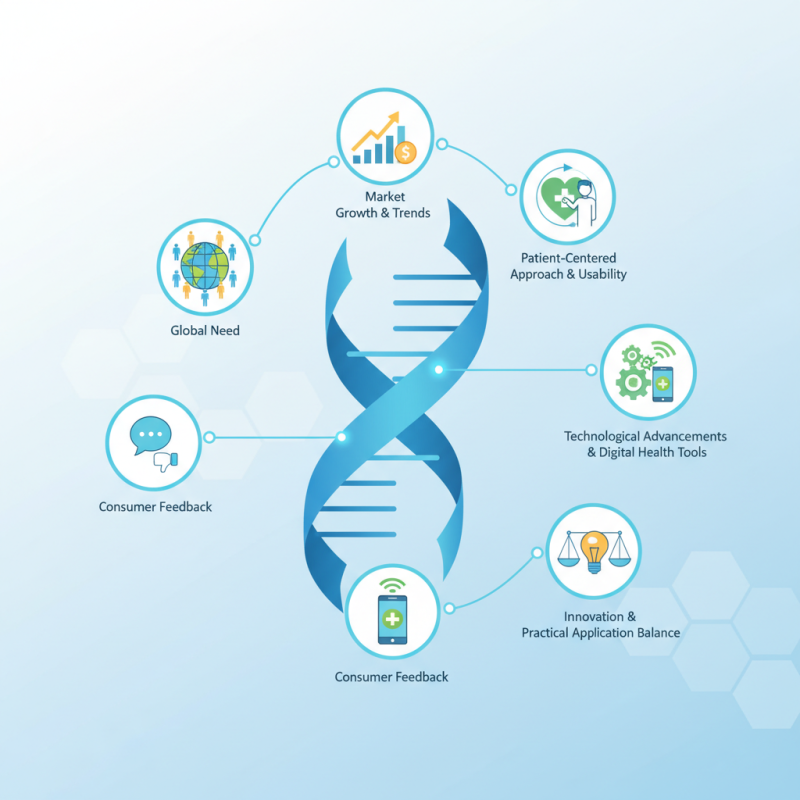
Diabetes product management is a critical sector in healthcare, responding to the needs of millions globally. According to the International Diabetes Federation, over 537 million adults are living with diabetes, a number projected to rise to 643 million by 2030. Effective Diabetes Product Management Tips are essential to navigate this expanding market. Companies must provide innovative products that meet patient needs while ensuring regulatory compliance.
Understanding market trends is vital. A report from Grand View Research indicates that the global diabetes care device market size was valued at USD 17.17 billion in 2021, highlighting a significant growth trajectory. This growth presents both opportunities and challenges. Manufacturers must prioritize patient-centered approaches, focusing on usability and effectiveness. However, many companies overlook the importance of regular consumer feedback.
Additionally, staying informed about technological advancements is crucial. The integration of digital health tools can enhance disease management, yet many organizations struggle with implementation. Striking a balance between innovation and practical application is essential in product strategy. Therefore, utilizing effective Diabetes Product Management Tips can lead to improved health outcomes and sustainability in a competitive landscape.
Diabetes product management faces distinct challenges that stem from the complexity of the condition itself. According to the International Diabetes Federation, over 537 million adults are living with diabetes globally. This staggering figure underscores a growing market but also highlights the urgent need for effective management solutions. Managing diabetes products requires an understanding of diverse patient needs, from insulin delivery devices to continuous glucose monitoring systems.
Healthcare professionals often express concerns about product integration and usability. Reports indicate that nearly 70% of patients struggle with effectively using diabetes technology. This gap suggests that product developers must prioritize user-centered design. Engaging with patients during the product development phase can unveil critical insights. Their experiences can inform improvements, fostering greater adherence and satisfaction.
Regulatory hurdles also add to the complexity of diabetes product management. Navigating the requirements set forth by various health authorities can be daunting. A report from Allied Market Research reveals that companies can expect an average approval process of 12 to 24 months for new diabetes technologies. This timeline can stifle innovation and slow down the introduction of vital products. Thus, addressing these unique challenges is essential for success in the diabetes management landscape.
When managing diabetes products, understanding market research is crucial. Data from the International Diabetes Federation shows that 537 million adults live with diabetes globally. This number is projected to rise by 46% by 2045. Such statistics emphasize the demand for effective diabetes management solutions.
Effective market research begins with understanding patient needs. Surveys and focus groups can reveal what users seek in diabetes products. For instance, a study by the American Diabetes Association indicated that 76% of patients prioritize ease of use in devices. It's not just about functionality; the design matters too. If a product is unpleasant or too complex, patients may avoid it entirely.
Companies must also analyze competitor offerings. Market reports often show gaps in features or services. Identifying these can guide product development. Utilizing tools, like SWOT analysis, can help in understanding strengths, weaknesses, opportunities, and threats. In an industry where 88 million Americans are prediabetic, finding unique market positions is vital. Balancing innovation with reliability can lead to successful diabetes product management.
| Strategy | Description | Importance | Implementation Tips |
|---|---|---|---|
| Market Analysis | Assess market needs and trends to identify gaps in current offerings. | High | Conduct surveys and focus groups with target users. |
| User-Centric Design | Develop products based on user needs and feedback. | Medium | Involve users in the design process through prototyping. |
| Regulatory Compliance | Ensure all products meet legal and industry standards. | High | Stay updated with local and international regulations. |
| Pricing Strategy | Set competitive prices while balancing costs and value. | Medium | Analyze competitors and gather data on customer willingness to pay. |
| Marketing Channels | Identify and utilize the best channels to reach your audience. | High | Leverage social media, online health platforms, and influencers. |
Effective marketing plans for diabetes solutions require a deep understanding of patient needs. According to the International Diabetes Federation, about 463 million adults live with diabetes globally. This number will rise to 700 million by 2045. Professionals must target their strategies to address this growing population effectively.
Understanding patient demographics is vital. Many individuals with diabetes are seeking solutions that fit their lifestyle. A study from Frost & Sullivan indicates that 25% of diabetes patients are dissatisfied with current management options. Marketers should focus on developing products that simplify daily routines, such as easy-to-use glucose monitoring devices.
Moreover, effective communication plays a crucial role. Patients often struggle with understanding their condition and treatment choices. Crafting clear and insightful content can bridge this knowledge gap. Engaging with healthcare professionals can enhance credibility. Leverage data-driven insights to inform marketing strategies. Build trust through educational resources. Awareness campaigns should highlight real-world success stories. This approach resonates more and can foster loyalty among users.
User experience plays a critical role in diabetes product management. Adopting a patient-centric design can significantly enhance usability. According to a 2021 report by the American Diabetes Association, around 60% of patients struggle with complex diabetes management tools. This indicates a dire need for products that simplify processes and enhance user engagement.
Effective design must prioritize user needs. Simple interfaces can reduce anxiety around managing diabetes. Features such as intuitive navigation and accessible information are essential. A study from the Journal of Diabetes Science and Technology shows that effective patient engagement can improve self-management by nearly 30%. User feedback should consistently inform updates. Acknowledging imperfections in existing products can lead to meaningful improvements.
Furthermore, personalization is key. Customizable features allow users to tailor products to their preferences. However, many current solutions still fall short in this aspect. Understanding patient demographics and preferences is vital. Failing to address these variables can result in poor adherence rates. Continuous assessment of user experience will help refine future developments and ultimately lead to better health outcomes.
The landscape of diabetes management is rapidly changing. Innovations in monitoring technologies are transforming how individuals manage their conditions. Continuous glucose monitoring (CGM) devices are at the forefront, allowing real-time data collection. These devices alert users to fluctuations, enabling prompt adjustments to their treatment plans. However, it's important to recognize that not everyone adapts easily to these technologies.
Data analytics and mobile applications also play a crucial role. They synthesize information, offering personalized recommendations. Yet, reliance on algorithms can lead to information overload. Users might feel overwhelmed by too many alerts or uncertain guidance. Striking the right balance between assistance and autonomy remains a critical challenge.
Emerging trends include integration within wearable fitness devices. This combination can enhance user motivation and engagement. However, not every innovation fits into every lifestyle. Each person's experience with diabetes varies greatly. It's essential to continuously evaluate what works best on an individual level. Keeping pace with these developments is important, yet equally vital is reflecting on their impact on daily life.
: They encounter issues from the complexity of diabetes itself. Managing diverse patient needs is crucial.
Over 537 million adults have diabetes globally. This number is expected to rise by 46% by 2045.
Nearly 70% of patients struggle with diabetes technology. User-centered design improves usability and satisfaction.
Engaging patients provides critical insights. Their feedback fosters better adherence and satisfaction with products.
Navigating health authorities' requirements is complex. Approval processes can take 12 to 24 months, slowing innovation.
Understanding patient needs through surveys helps identify desired features. It guides effective product development.
A study shows that 76% of patients prioritize ease of use. If products are complex, patients might avoid them.
Analyzing competitors reveals gaps in features. It helps in guiding new product development effectively.
Success requires blending innovation with reliable solutions. Finding a unique market position is essential for growth.
Sometimes, companies might focus too much on technology over design. This can lead to patient dissatisfaction.
Effective Diabetes Product Management requires a comprehensive understanding of the unique challenges faced in this field. Key Diabetes Product Management Tips include conducting thorough market research to identify the needs and preferences of both patients and healthcare professionals. Developing tailored marketing plans that resonate with target audiences is essential to successfully promote diabetes solutions.
Additionally, focusing on patient-centric design can significantly enhance user experience, making products more accessible and easier to use for individuals managing diabetes. Staying abreast of trends and innovations in diabetes management products is crucial for maintaining a competitive edge and ensuring that solutions remain effective and relevant. By employing these strategies, professionals can navigate the complexities of diabetes product management more successfully.
