ZNG Medical
Patient safety with medical devices remains a critical focus in healthcare. According to the World Health Organization (WHO), nearly 1 in 10 patients experience harm in healthcare settings. This highlights the urgent need for enhanced safety measures. In a recent report by the FDA, device-related adverse events are rising, emphasizing the need for continuous improvement in safety protocols.
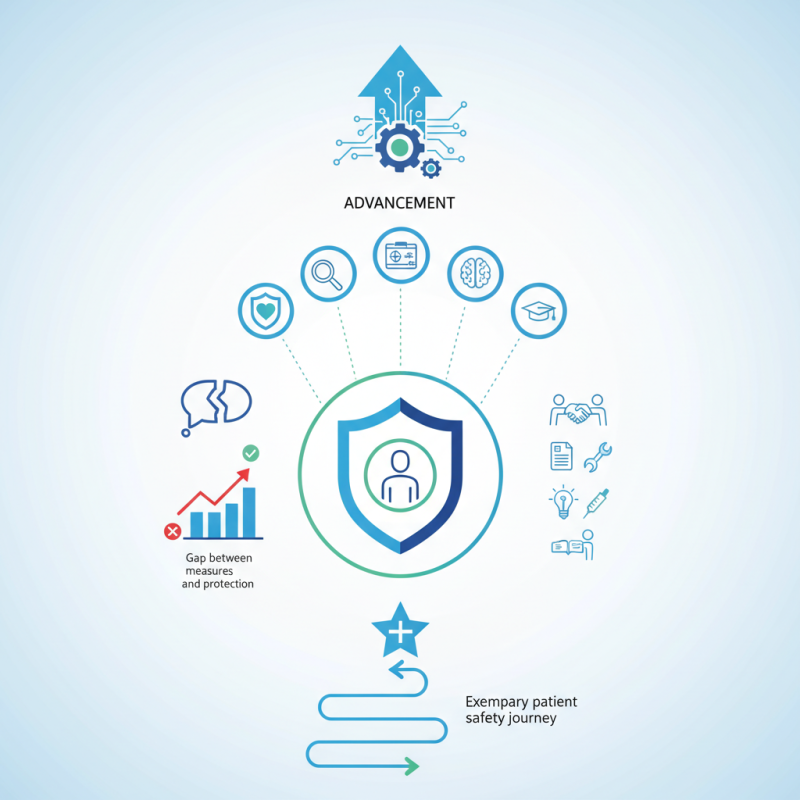
Experts underscore the importance of vigilance in ensuring patient safety. Dr. Emily Thompson, a leading authority in medical device safety, stated, "Patient safety with medical devices is not just a regulatory requirement; it’s a moral obligation." This sentiment echoes throughout the industry as manufacturers and healthcare providers strive for higher safety standards. There is a noticeable gap between existing safety measures and the actual protection of patients, which invites reflection.
Addressing these challenges requires commitment and innovation. Stakeholders must collaborate to develop advanced strategies for risk management. Continuous training and education for healthcare professionals are essential. As seen in recent case studies, proactive measures can significantly reduce incidents related to medical devices. The journey toward exemplary patient safety with medical devices is ongoing, necessitating rigorous practices and awareness.
China's medical device sector is rapidly evolving, with patient safety emerging as a primary concern. The landscape is marked by a mix of innovation and challenges. Many manufacturers are striving to meet high safety standards. However, inconsistencies in regulation can pose risks.
Effective assessment processes are essential. Regulatory bodies must ensure that devices undergo rigorous testing before approval. Yet, some manufacturers may not fully adhere to these guidelines. This raises questions about the reliability of certain products in the market.
Training for medical professionals is also crucial. Many lack comprehensive knowledge about the latest devices. Continuous education programs could enhance understanding and proper use. Addressing these gaps will significantly improve patient outcomes. Overall, while strides have been made in China’s medical device sector, there is still much work to be done to ensure patient safety.
The regulatory framework governing medical device safety in China has evolved significantly. The National Medical Products Administration (NMPA) is the primary authority overseeing these regulations. It enforces standards to ensure the safety and efficacy of medical devices. These regulations cover everything from manufacturing processes to post-market surveillance. They are aimed at protecting patients and fostering industry growth.
A clear set of guidelines defines the classification of medical devices. This classification directly affects the approval process. Higher-risk devices face more stringent requirements, which can sometimes lead to lengthy approval times. These challenges can discourage innovation and delay access to new technologies for patients in need. The framework, while comprehensive, still requires ongoing refinement to balance safety with the urgency of patient care.
The emphasis on compliance is crucial, yet it can lead to bureaucratic hurdles. Companies often struggle to navigate the extensive documentation required for approval. The level of oversight aims to ensure patient safety but can inadvertently hamper progress. Continuous dialogue among stakeholders is essential to improve the system. Addressing these inefficiencies could enhance both safety and accessibility in the medical device landscape.
| Dimension | Insight | Regulatory Framework | Current Status |
|---|---|---|---|
| Patient Safety Standards | Stringent guidelines established for device approval | National Medical Products Administration (NMPA) regulations | Compliance improving globally |
| Risk Management | Emphasis on ISO 14971 for risk assessment | Regulatory updates incorporating international standards | Widespread adoption in the industry |
| Post-Market Surveillance | Monitoring device performance post-approval is critical | NMPA mandates ongoing reporting | Establishment of comprehensive databases underway |
| International Collaboration | Participation in global safety initiatives | Alignment with WHO guidelines | Enhanced relationships with foreign regulatory agencies |
| Innovative Technologies | Regulations adapting to digital health solutions | Emerging regulations for AI and software as medical devices | Proactive stance on emerging technologies |
Ensuring patient safety in medical devices is a complex challenge. According to a 2022 report by the World Health Organization, about 10% of patients worldwide experience adverse events due to unsafe medical devices. This statistic highlights a pressing need for regulatory bodies to enhance oversight mechanisms.
One key challenge lies in the rapid pace of technological advancements. Devices are evolving faster than regulations can adapt. For instance, the introduction of AI in diagnostics raises concerns about reliability and accuracy. A survey conducted by the Global Medical Device Alliance revealed that 45% of professionals feel current regulations cannot keep up with innovative developments. This gap leads to potential risks and questions about device safety.
Moreover, inconsistent standards across regions create confusion. For example, what is deemed safe in one country may not meet safety requirements in another. In 2021, a study published in the Journal of Medical Device Regulation noted that harmonizing global standards could reduce device-related incidents by up to 30%. This discrepancy calls for a collective effort to improve communication and collaboration among stakeholders in the medical device ecosystem.
Innovations in medical devices significantly enhance patient safety. Advancements focus on user-centered design and real-time monitoring. These approaches ensure devices are intuitive and responsive to patients’ needs. For instance, incorporating feedback mechanisms helps identify potential issues early. This proactive strategy reflects an understanding of user experience and the critical role it plays in safety.
Another key aspect is the integration of artificial intelligence. AI can analyze vast amounts of data, helping healthcare professionals make informed decisions. This technology aids in predicting potential complications. However, reliance on algorithms raises questions. Are we losing the human touch in medical care? Balancing technology with empathetic care is essential for optimal patient safety.
Regulatory compliance remains crucial. Devices must meet strict safety standards. Yet, the rapid pace of innovation can outstrip regulations. This gap poses risks. Stakeholders should advocate for updated guidelines to align with technological advancements. Addressing these challenges is vital for fostering trust and safety in the medical device landscape.
As China expands its medical device market, the focus on patient safety is paramount. Recent changes in existing policies emphasize transparency and regulatory standards. More resources are allocated to compliance checks and audits. Yet, there still exist gaps in enforcement. It's crucial to ensure that manufacturers adhere strictly to safety regulations. The aging population also increases the demand for safe, effective devices.
Emerging technologies pose both opportunities and challenges in device safety. Innovations such as AI and big data analytics could enhance monitoring. However, the rapid pace of technological development often outstrips regulatory responses. This could lead to oversight issues or safety lapses. Additionally, public trust in new devices remains a concern. Higher standards for information sharing and patient education initiatives are vital.
Stakeholder collaboration is essential in shaping future policies. Medical professionals, manufacturers, and government bodies must unite in this effort. There is a pressing need to address discrepancies in policy implementation. Keeping the focus on patient safety while adapting to technological advancements will be challenging. Continuous evaluation and improvement are necessary to ensure patient safety evolves alongside innovation.
: The National Medical Products Administration (NMPA) oversees medical device safety regulations.
Higher-risk devices face stricter requirements, potentially leading to longer approval times.
Companies often struggle with extensive documentation that can create bureaucratic hurdles.
About 10% of patients worldwide have reported adverse events due to unsafe devices.
Devices evolve quickly, sometimes outpacing regulations, which raises safety concerns.
User-centered design helps create intuitive devices that better meet patient needs.
AI analyzes data to help healthcare professionals make informed decisions and predict complications.
Over-reliance on algorithms may result in a loss of the human touch in patient care.
Regulatory bodies need to enhance oversight mechanisms to address the rapid pace of innovation.
Harmonizing standards could reduce device-related incidents by improving safety consistency across regions.
The article "China Top Patient Safety in Medical Devices Insights?" provides an in-depth examination of Patient Safety With Medical Devices in China. It begins with an overview of the current state of patient safety within the medical device sector, highlighting the importance of rigorous safety standards and oversight. The regulatory framework governing medical device safety is discussed, detailing the policies and regulations in place that aim to protect patients.
Moreover, the article addresses key challenges faced in ensuring patient safety, including issues related to technological advancements and compliance. Innovative solutions are proposed to enhance safety measures, emphasizing the need for better monitoring and reporting systems. Finally, the article explores future trends and developments in China’s medical device safety policies, pointing to an evolving landscape that increasingly prioritizes patient safety and seeks to mitigate risks associated with medical devices.
