How to Build an Efficient Medical Equipment Workflow?

Time:2026-11-11 Author:Amelia
0%

An Efficient Medical Equipment Workflow is more than a calendar of inspections. It connects equipment requests, cleaning, maintenance, storage, and return to service. Picture a portable monitor arriving after a patient transfer: its status should be clear, its accessories present, and its next location known. Without that visibility, staff lose time searching, while overdue checks can go unnoticed.

The World Health Organization’s 2011 Medical Equipment Maintenance Programme Overview cited estimates that about 50% of medical equipment in some developing-country settings was unusable or only partly usable. This is a historical, context-specific warning, not a current global failure rate. Still, it shows why equipment inventories, preventive maintenance, and staff training belong in one workflow. Small gaps matter. A missing charger can sideline a device.

Human factors matter, too. In a 2000 BMJ article, psychologist and safety researcher James Reason wrote, “We cannot change the human condition, but we can change the conditions under which humans work.” Applied here, that means designing clear handoffs, visible status labels, and simple escalation steps—not relying on memory alone. The details can feel mundane. They are not. A barcode scan or a signed maintenance record may prevent confusion, but only if teams use it consistently. No workflow fixes poor staffing by itself; that limitation deserves attention. This guide explores practical ways to build a safer, more reliable process, measure delays, and improve it over time.
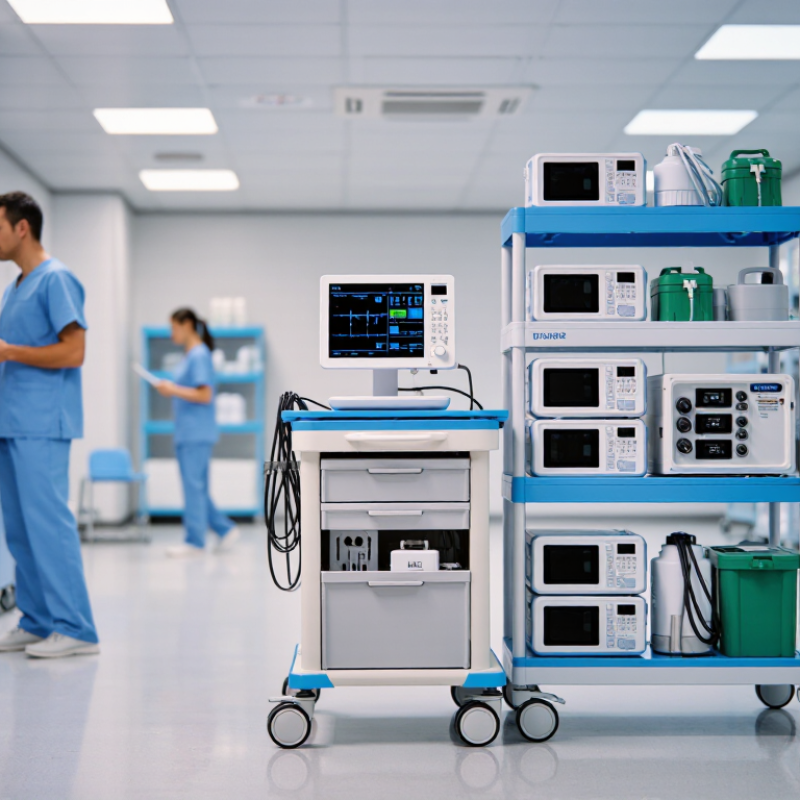
How to Build an Efficient Medical Equipment Workflow?

Define the Scope and Goals of the Medical Equipment Workflow

How to Build an Efficient Medical Equipment Workflow?

Define the Scope and Goals of the Medical Equipment Workflow

A useful workflow begins with a clear boundary. Decide which equipment, departments, and stages it covers, from purchasing and receipt to maintenance and retirement. Include the people who handle devices each day: clinical staff, biomedical technicians, and procurement teams. Their handoffs often reveal delays that a policy document misses. Start with reality.

Set goals that can be measured, such as reducing time spent locating devices, improving preventive-maintenance completion, or shortening repair turnaround. WHO’s 2023 patient-safety fact sheet estimates that about one in ten patients experiences harm in health care. This figure is not specific to equipment, but it reinforces why reliable processes matter. Track a baseline before changing procedures; otherwise, a better-looking dashboard may not reflect safer or faster work. A tidy process map can still hide an awkward step at the ward door.

Tips: Walk the route a device actually takes. Note where it waits, who records its status, and what happens when it fails. Choose a few measures first, assign an owner to each, and review them with frontline staff. Keep the first version practical; it will probably need revision.

Map Equipment Needs, Roles, and Responsibilities

An efficient medical equipment workflow starts with a clear map of needs, people, and handoffs. List each device by location, clinical purpose, availability, and service status. Add details staff use daily: a monitor beside the recovery bay, a spare infusion pump, or a device awaiting inspection.

OECD’s Health at a Glance 2023 reports wide differences in MRI availability across member countries, from fewer than 10 to more than 50 scanners per million people. That spread is a reminder that national averages cannot define a hospital’s needs. Local patient volume, care intensity, and backup capacity matter more.

Assign one accountable role to each task: clinical teams report faults, biomedical engineering triages and repairs equipment, and procurement tracks orders and contracts. Name a backup contact for nights and weekends. Make ownership visible.

The World Health Organization’s Medical Equipment Maintenance Programme Overview recommends equipment inventories and planned maintenance as core management practices. Translate that guidance into a working schedule with inspection dates, response targets, and escalation steps. A shared spreadsheet may be enough at first, but it can become stale when roles change.

Keep it practical. Review the map with nurses and technicians; ask where handoffs fail, then revise it. Teams often overlook small gaps, like who confirms a repaired device is safe and ready for use.

Establish Processes for Procurement, Setup, and Maintenance

An efficient medical equipment workflow begins with clear ownership, not another spreadsheet. Assign a named role to approve each request, verify clinical need, and check compatibility with existing rooms, utilities, and accessories. During procurement, record the device’s intended use, delivery date, acceptance criteria, and service requirements. At setup, confirm inspection status, electrical safety, user training, and asset-tag details before the device enters clinical use. Keep the checklist beside the receiving bay. Small details matter.

Maintenance should follow risk, manufacturer guidance, and actual use—not calendar habits alone. Maintain one inventory with location, service history, warranty dates, and next inspection. Use visible labels to show availability, and route faults to a single reporting channel. The World Health Organization’s 2011 Medical Equipment Maintenance Programme Overview identifies inventory, inspection, and preventive maintenance as core elements of a functioning program. The WHO’s 2019 Patient Safety fact sheet estimates that one in ten patients experiences harm in healthcare; equipment readiness is only one part of safer care, but neglected checks add avoidable risk. We still miss handover details when wards are busy. Review those failures monthly, then simplify the process rather than adding paperwork.

Coordinate Equipment Use, Tracking, and Staff Training

An efficient equipment workflow depends on shared rules, not merely a larger inventory. At each handoff, record the device’s location, condition, cleaning status, and next due date. A barcode scan at the ward door can prevent “available” equipment from being trapped in a procedure room. Give each step a clear owner: clinical staff confirm returns, biomedical teams assess function, and cleaning staff document reprocessing. Ready to move. But spreadsheets can lag behind a busy shift; review exceptions daily instead of trusting a perfect-looking list.

The WHO’s 2022 Global report on infection prevention and control estimates that 7 in 100 patients in high-income acute-care hospitals, and 15 in 100 in low- and middle-income settings, acquire at least one healthcare-associated infection. This does not mean equipment alone causes infections, but it makes reliable cleaning-status records essential. Train staff at the point of use with short demonstrations: show where to scan, how to report a fault, and when a device must stay out of service. Use teach-back and observe the task, not just attendance. I would not assume one session is enough; night shifts and temporary staff can miss the same briefing. Keep a simple competency record and revisit it when equipment or procedures change.

How to Build an Efficient Medical Equipment Workflow

Coordinate equipment use, tracking, and staff training with clear controls at every stage.

The counts represent the core control points listed for each workflow area, not measured performance results. Use them as a checklist when designing local procedures.

Measure Workflow Performance and Improve Safety and Efficiency

How to Build an Efficient Medical Equipment Workflow?

Measure Workflow Performance and Improve Safety and Efficiency

A reliable equipment workflow starts with clear measures, not assumptions. Track how long equipment takes to move from cleaning to storage, and how often staff search for missing items. Record repair turnaround, overdue inspections, and reported defects. Use the same definitions across departments, or comparisons may be misleading. Small delays matter.

Pair speed measures with safety checks. For example, audit a sample of returned devices each week for visible damage, complete cleaning records, and correct storage. Ask staff to report near misses without blame. A fast handoff is not efficient if it skips a required check. Keep results visible to the people doing the work, using a simple dashboard or a brief shift huddle.

Look for patterns before changing procedures. If one unit has frequent equipment shortages, compare demand by shift and review where devices are stored. A short barcode scan or paper log can help, but only if staff can complete it during a busy shift. But data can mislead. A missing entry may mean a missed task—or just a rushed entry. Test one small change, such as a designated return shelf, then review wait times and audit findings after several weeks. Adjust the process when the evidence or staff feedback points to a problem.

FAQS

What should staff record during an equipment handoff?

Record the device’s location, condition, cleaning status, and next due date. Keep it simple.

Who is responsible for each equipment workflow step?

Clinical staff confirm returns. Biomedical teams check function. Cleaning staff document reprocessing. Clear ownership helps prevent gaps.

How can teams find equipment that appears available but is misplaced?

Scan devices at ward doors or use a paper log. A device may be sitting in a procedure room.

Why are cleaning-status records important?

Reliable records help staff confirm cleaning before reuse. Equipment alone does not cause every infection.

How should staff training be delivered?

Demonstrate scanning, fault reporting, and when to remove a device from service. Ask staff to show each task back.

Is one training session enough for everyone?

Probably not. Night-shift and temporary staff may miss briefings, so revisit training when procedures or equipment change.

Which measures can reveal workflow problems?

Track cleaning-to-storage time, missing-item searches, repair turnaround, overdue inspections, and reported defects. Small delays matter.

How can teams check whether faster handoffs remain safe?

Audit returned devices for visible damage, cleaning records, and correct storage. A quick handoff can still miss a check.

How should teams respond to missing or incomplete tracking data?

Check whether the task was missed or simply recorded late. Test one change, such as a return shelf, then review results after several weeks.

Conclusion

An Efficient Medical Equipment Workflow starts with clear goals, such as ensuring the right equipment is available, ready to use, and safe for every clinical need. Define the workflow’s scope, then identify what equipment is required, where it is needed, and who is responsible for each step. Clear roles help teams coordinate decisions and prevent essential tasks from being overlooked.

Establish consistent procedures for purchasing, receiving, setup, inspection, maintenance, and repair. Track equipment location and availability, coordinate its use across departments, and train staff in proper operation and safety practices. Regularly measure performance using indicators such as availability, maintenance completion, and delays. Reviewing these results helps teams identify gaps, reduce avoidable disruptions, and make ongoing improvements to safety and efficiency.

Amelia

Amelia

Amelia is a seasoned marketing professional with a wealth of expertise in our company’s core offerings. With an unwavering passion for driving growth and innovation, she plays a pivotal role in shaping our marketing strategies and enhancing brand visibility. A key aspect of her responsibilities......