Best Practices For Oxygen Therapy You Need to Know?

Time:2026-06-07 Author:Aria
0%

Oxygen therapy is essential for patients with respiratory conditions. According to the Global Initiative for Chronic Obstructive Lung Disease (GOLD), nearly 328 million people worldwide suffer from asthma and COPD. Effective oxygen therapy can improve quality of life and reduce healthcare costs.

However, implementing the Best Practices For Oxygen Therapy is crucial. The World Health Organization (WHO) emphasizes the importance of proper administration techniques and patient monitoring. Mistakes in delivery can lead to serious consequences, including hypercapnia or hypoxia. Training healthcare providers is vital to ensure adherence to best practices.

While many facilities have protocols in place, inconsistencies remain. A report from the National Institute for Health Care Excellence (NICE) revealed that only 50% of patients receive appropriate oxygen therapy. Continuous education and protocol updates are necessary for improving patient outcomes. Awareness of the Best Practices For Oxygen Therapy can bridge these gaps and enhance overall care.
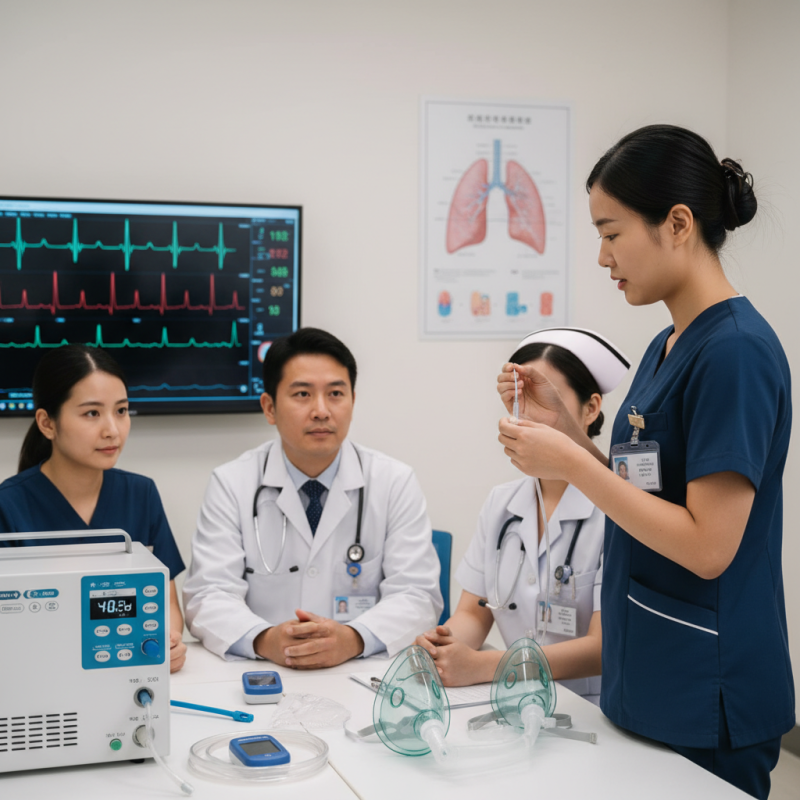
Best Practices For Oxygen Therapy You Need to Know?

Understanding Oxygen Therapy: Definitions and Applications

Oxygen therapy plays a crucial role in managing various respiratory conditions. It helps increase oxygen levels in the blood. Common applications include treatment for chronic obstructive pulmonary disease (COPD), pneumonia, and hypoxemia. Understanding its use is essential for both patients and caregivers.

When using oxygen therapy, ensure proper equipment setup. Regularly check the oxygen tank levels. Keep the area well-ventilated and free from flammable materials. Be aware of your oxygen prescription details. Dosage and delivery method matter significantly.

Monitor for any side effects. Symptoms like headaches or dry mouth may indicate issues. Always report these to your healthcare provider. Adjustments might be necessary, and individual needs vary. Recognize that therapy effectiveness can depend on consistent use and monitoring. This can involve a bit of trial and error, emphasizing the need for open communication with your healthcare team.

Best Practices For Oxygen Therapy You Need to Know

Best Practice Description Application Notes
Monitor Oxygen Levels Regularly check the patient's oxygen saturation to ensure effective therapy. Chronic Respiratory Conditions Utilize pulse oximetry for continuous monitoring.
Adequate Humidification Use humidifiers to prevent drying of airways. Long-term Oxygen Therapy Important for patients on high flow oxygen.
Appropriate Oxygen Delivery Method Select the right device based on patient's needs and condition. Acute and Chronic Conditions Consider nasal cannula, face masks, or BiPAP.
Patient Education Educate patients on the importance of adherence to therapy. Home Oxygen Therapy Provide information about safety and usage.
Regular Assessment Conduct periodic evaluations to adjust therapy as needed. Ongoing Care Adjust flow rates or devices based on changes in condition.

Indications for Oxygen Therapy: When and Why It Is Necessary

Oxygen therapy plays a critical role in managing various medical conditions. According to the World Health Organization, approximately 1.1 billion people worldwide may benefit from oxygen therapy. It is essential in treating conditions like chronic obstructive pulmonary disease (COPD) and pneumonia. When patients experience low blood oxygen levels, known as hypoxemia, oxygen becomes a lifeline.

Medical professionals determine the need for oxygen therapy using specific indicators. Pulse oximetry is a common method to assess oxygen saturation. A saturation level below 90% often signals the necessity for supplemental oxygen. Additionally, conditions such as sleep apnea or respiratory distress require prompt oxygen administration. These conditions affect breathing mechanics and hinder oxygen exchange. Awareness of these indicators can significantly improve patient outcomes.

However, not all patients require high-flow oxygen. It's crucial to tailor oxygen delivery to individual needs. Some patients may only need low-flow systems, while others may require higher concentrations. Balancing oxygen levels is essential; excessive oxygen can lead to toxicity. Research shows that while oxygen is lifesaving, its administration must be cautious and evidence-based. Understanding when and why to use oxygen therapy can enhance care quality.

Best Practices for Administering Oxygen: Techniques and Protocols

Oxygen therapy is critical in managing respiratory ailments. Proper administration techniques can optimize patient outcomes significantly. It’s essential to know the accurate flow rates for different conditions. For example, a nasal cannula typically delivers low-flow oxygen, ideal for mild to moderate hypoxemia. In contrast, non-rebreather masks are suitable for severe cases, providing higher concentrations.

Monitoring patient response is crucial. Continuous assessment of oxygen saturation levels is necessary after initiating therapy. Adjustments may be required if saturation levels fluctuate. It's vital to communicate effectively with patients, ensuring they understand how to use the equipment properly. This builds trust and promotes adherence to the therapy regimen.

Documentation plays an important role, too. Keep detailed notes regarding oxygen delivery methods, patient responses, and any changes made to the protocol. This builds a reliable record for future reference and helps evaluate the effectiveness of the therapy. It’s important to reflect on any challenges faced during administration. Learning from these experiences will help refine techniques and improve overall patient care.

Monitoring Patients on Oxygen Therapy: Key Metrics and Adjustments

Monitoring patients on oxygen therapy is crucial to ensure safety and effectiveness. Key metrics include oxygen saturation levels, respiratory rate, and heart rate. Proper management can lead to better patient outcomes and reduced hospital stays.

Oxygen saturation should typically remain between 90% and 96% for most patients. According to a report by the American Thoracic Society, maintaining these levels can significantly lower the risk of complications. Yet, achieving optimal levels often requires fine-tuning. For instance, if a patient's saturation drops below 90%, healthcare providers must reassess the flow rate and possibly increase oxygen delivery.

In practice, it's not uncommon to see patients fluctuate between adequate and inadequate saturation. Continuous monitoring can reveal these patterns, prompting necessary adjustments. A study published in the Journal of Respiratory Care stresses the importance of regular check-ups, stating that up to 30% of patients may require changes in their therapy during a hospitalization. This highlights the reality that static oxygen regimens are often ineffective, necessitating ongoing evaluation and adaptation.

Safety Considerations in Oxygen Therapy: Preventing Risks and Complications

Oxygen therapy plays a vital role in treating patients with respiratory issues. However, safety considerations are paramount. Proper management can prevent risks and complications.

Ensure a clean environment. Contaminants can impair oxygen delivery. Regularly check equipment and maintain hygiene. When using oxygen tanks, store them upright to avoid accidents. This simple step can prevent falling or leakage.

Consider the patient's comfort. Monitor for side effects, as excessive oxygen can cause toxicity. Discuss any discomfort or unusual symptoms with healthcare providers promptly. Customizing therapy ensures the patient's needs are met while minimizing risks.

Always keep emergency guidelines accessible. In case of a malfunction, swift action can save lives. Be proactive about learning emergency procedures. Stay educated on the safety protocols associated with oxygen use. Your vigilance can make all the difference in maintaining a secure treatment environment.

FAQS

: What conditions can oxygen therapy help treat?

: Oxygen therapy helps with respiratory conditions like COPD, pneumonia, and hypoxemia.

How should oxygen equipment be set up?

Proper setup is crucial. Regularly check tank levels. Keep the area ventilated and free of flammable materials.

What side effects should I monitor during oxygen therapy?

Watch for headaches or dry mouth. These could signal issues with your therapy.

Why is communication with healthcare providers important?

Open dialogue can lead to better therapy adjustments. Each person's needs differ, so clear communication is essential.

What should I do to ensure safety while using oxygen therapy?

Maintain a clean environment and check equipment regularly. Store tanks upright to prevent accidents.

Are there risks associated with excessive oxygen use?

Yes, too much oxygen can lead to toxicity. It's important to discuss any discomfort quickly with healthcare providers.

Conclusion

Oxygen therapy is a crucial medical intervention used to treat various conditions that affect oxygen delivery in the body. Understanding the definitions and applications of oxygen therapy is essential for healthcare providers, as it helps them identify the appropriate scenarios to administer treatment. Indications for oxygen therapy typically include conditions such as chronic obstructive pulmonary disease (COPD), pneumonia, and other respiratory illnesses.

To ensure effective treatment, following the "Best Practices For Oxygen Therapy" is vital. This includes using proper techniques and protocols during administration, closely monitoring patients for key metrics such as oxygen saturation and respiratory rate, and making necessary adjustments based on their response to therapy. Additionally, addressing safety considerations can significantly reduce the risks and complications associated with oxygen therapy, thus enhancing patient outcomes and overall care.

Aria

Aria

Aria is a dedicated marketing professional with a deep passion for innovative strategies and a keen understanding of our company's product offerings. With a wealth of experience in the industry, Aria excels at crafting engaging content that highlights the unique features and benefits of our......