ZNG Medical
The importance of Anesthesia Needle Safety Standards cannot be overstated. As a buyer, understanding these standards is crucial. These guidelines help ensure patient safety during procedures. Without adherence, risks can escalate significantly.
Quality needles are vital for effective anesthesia delivery. Properly designed needles minimize complications and injuries. Buyers must recognize this when sourcing products. Manufacturers should provide documentation that meets safety standards. It's not just about cost; it's about overall safety.
Many buyers may overlook this aspect. It's easy to focus on price instead. However, compromising on safety can lead to dire consequences. Buyers should seek suppliers committed to upholding these standards. This reflection is necessary, as patient well-being is the priority.
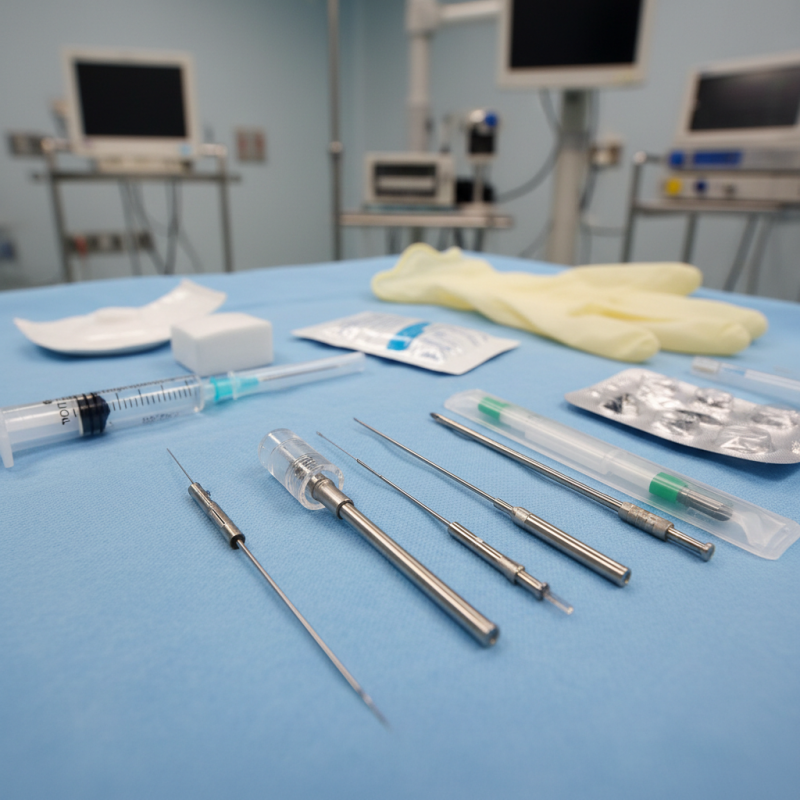
Anesthesia needle safety standards are crucial in today's medical landscape. A report from the American Society of Anesthesiologists indicates that needle-related injuries pose significant risks to both patients and healthcare providers. According to the Centers for Disease Control and Prevention, nearly 1,000 healthcare workers are injured by needles each day. These statistics highlight the need for stringent safety protocols.
Proper training for healthcare staff is essential. Many facilities lack comprehensive training programs on the correct handling of anesthesia needles. Regular workshops can reinforce the importance of safety measures. The World Health Organization emphasizes that adherence to safety standards can reduce incidents significantly. Meanwhile, the use of safety-engineered devices can further minimize exposure risks, yet adoption remains uneven across facilities.
It's important for buyers to scrutinize the safety features of their equipment. Many devices boast safety mechanisms, but not all comply with the latest guidelines. As noted in various studies, passive safety devices are becoming more effective. However, continuous evaluation of these devices is vital. A gap remains between available technology and actual practice. Engaging with safety standards proactively can lead to better outcomes for everyone involved in the anesthesia process.
When selecting anesthesia needles, several key considerations must be prioritized. Safety is paramount. According to the Centers for Disease Control and Prevention (CDC), improper needle use can lead to a 50% increase in needlestick injuries. These injuries expose healthcare workers to potential bloodborne pathogens. Therefore, choosing needles with safety features can significantly reduce these risks.
Another important factor is the needle gauge. A study published in the Journal of Clinical Anesthesia revealed that a proper gauge selection can enhance patient comfort. Needles that are too large may cause unnecessary pain. Conversely, needles that are too small can lead to complications such as inadequate medication delivery. Gauge size should be dictated by the patient’s age and the procedure being performed.
Moreover, the material used in needle construction affects performance. Research indicates that stainless steel needles provide optimal strength and durability. However, biodegradable options are gaining traction for their environmental benefits. Potential drawbacks, like reduced sharpness over time, need consideration. Evaluating these elements ensures that the right choice aligns with both patient and staff safety.
| Feature | Description | Considerations |
|---|---|---|
| Needle Gauge | The diameter of the needle; larger gauges mean thinner needles. | Choose based on the procedure and patient comfort. |
| Needle Length | Length varies for different injection sites and applications. | Select based on body type and depth of injection. |
| Hub Design | The connection point to the syringe; needs to be secure. | Look for a luer lock feature for better safety. |
| Safety Features | Needles with safety mechanisms to prevent needle-stick injuries. | Prioritize needles with built-in safety features. |
| Material | Typically stainless steel; other coatings may affect performance. | Consider coating options for reduced friction and pain. |
| Sterility | Needles must be sterile to prevent infections. | Ensure proper certification and packaging integrity. |
| Regulatory Compliance | Needles should comply with local regulatory standards. | Check for CE marking and FDA approval. |
Ensuring anesthesia needle safety is paramount in healthcare settings. Proper training is essential for staff who handle these needles. They should understand the risks associated with improper use. Regular workshops can enhance awareness and encourage best practices among the team.
Storage practices also play a crucial role in safety. Needles should be stored securely to prevent tampering or accidental injuries. Clear labeling and organization reduce the chances of errors when reaching for these devices. It's important to routinely check for any damage or expiration dates. Damaged needles may compromise patient safety.
Some environments struggle with protocol adherence. Staff may overlook safety checks under pressure. This highlights the need for ongoing education and reminders. Implementing checklists can help ensure that all necessary precautions are taken. As the medical field evolves, so too must safety standards and practices. Continuous improvement is essential in maintaining a safe environment for patients and healthcare providers alike.
When procuring anesthesia needles, understanding regulatory guidelines is crucial. The FDA outlines essential safety standards to minimize risks associated with needle usage. For instance, single-use needles must be sterilized properly to prevent infections. A recent report indicates that up to 50% of hospital-acquired infections relate to improper needle handling.
It's vital to stay informed about changes in regulations. The CDC frequently updates its guidelines based on emerging data. Buyers should frequently review these updates to ensure compliance. Many hospitals face penalties for non-compliance, which can impact financial health.
**Tip:** Always verify that suppliers provide evidence of compliance with safety standards. Look for certificates and audit reports.
Buyers should consider training staff on safe handling practices. Research shows that more than 30% of needle stick injuries occur due to lack of training. Training can significantly decrease these incidents.
**Tip:** Implement regular safety drills to reinforce knowledge. Practical experience makes a difference.
Education and training in safe anesthesia needle use is critical for healthcare professionals. According to a report by the World Health Organization, over 10 million unsafe injections occur annually, leading to health risks. Ensuring that clinicians understand the proper techniques can mitigate these risks significantly.
When professionals receive training on needle safety, they become more adept at reducing needle stick injuries. A study published in the Journal of Patient Safety found that proper education reduced such incidents by 30%. This highlights the importance of routine training sessions to reinforce safe practices. Adopting simulation-based training can also enhance skills by providing hands-on experience in a controlled environment.
Despite efforts, gaps in knowledge still exist. A survey revealed that 25% of healthcare workers felt unprepared to handle needle safety protocols. This indicates a need for continuous education and discussions on best practices. Engaging professionals in regular workshops ensures that safety standards remain fresh in their minds and that they are aware of emerging trends in anesthesia.
: They reduce the risk of injuries to patients and healthcare providers.
Nearly 1,000 healthcare workers face needle-related injuries every day.
Comprehensive training helps staff properly handle anesthesia needles and enhances safety awareness.
They minimize exposure risks, though adoption of these devices is not uniform among facilities.
Safety features, needle gauge, and material of construction are critical factors.
The right gauge can enhance comfort and prevent complications.
Stainless steel is optimal for strength, while biodegradable options offer environmental benefits.
Secure storage prevents tampering and accidental injuries, ensuring safety.
Staff may overlook safety under pressure, leading to potential risks.
Regular workshops and checklists can enhance compliance and awareness of safety measures.
The article titled "Anesthesia Needle Safety Standards Best Practices for Buyers" highlights the significance of understanding anesthesia needle safety standards as an essential aspect of medical procurement. It outlines key considerations for selecting anesthesia needles, emphasizing the importance of ensuring these tools meet strict safety criteria. Best practices are discussed to enhance safety during use, including proper handling and disposal methods.
Furthermore, the article addresses regulatory guidelines that impact the procurement process, ensuring that all purchased needles comply with established safety standards. Education and training on the safe use of anesthesia needles are also emphasized, promoting a culture of safety in medical settings. Overall, adherence to anesthesia needle safety standards is crucial for minimizing risks and ensuring patient safety during procedures.
