ZNG Medical
When navigating the complexities of global healthcare, understanding Anesthesia Device Calibration Tips is essential. Accurate calibration of anesthesia devices is critical for patient safety and effective surgical outcomes. Buyers must prioritize this aspect to ensure consistent performance and reliability.
Many factors affect calibration, such as specific device models and local regulations. For instance, different manufacturers may have varying recommendations. Buyers often overlook these details, leading to potential risks in clinical settings. It’s imperative to validate each device’s calibration according to manufacturer guidelines.
Additionally, staying updated with the latest industry standards enhances service reliability. Inadequately calibrated equipment can lead to complications during procedures. A commitment to ongoing education and training on calibration practices can significantly mitigate these risks. The importance of following Anesthesia Device Calibration Tips should never be underestimated.
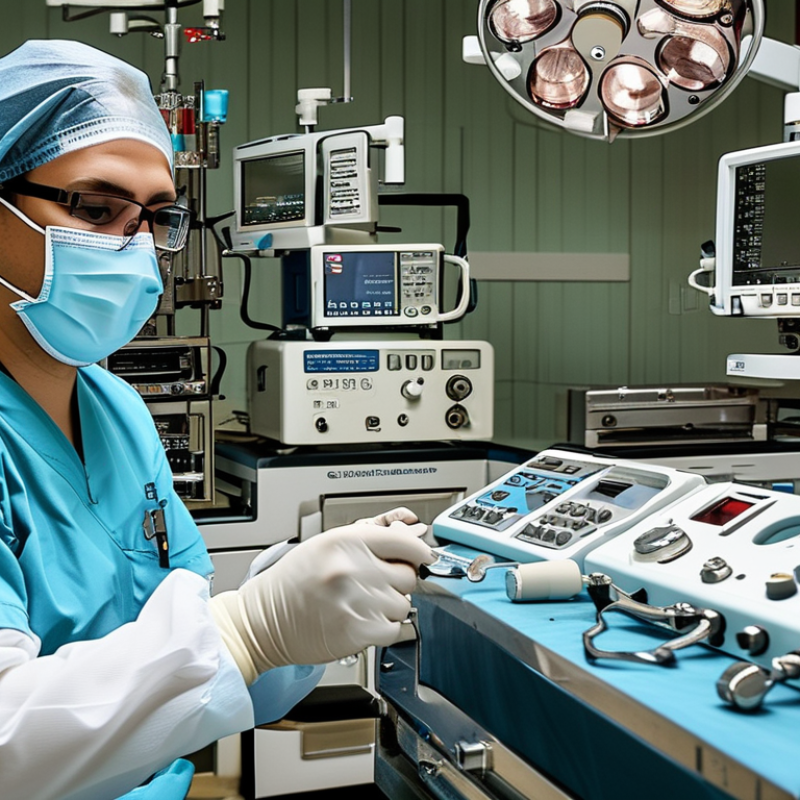
Calibration of anesthesia devices is crucial. This process ensures accurate dosages and safe patient care. Buyers should prioritize this aspect when selecting equipment. Understanding key principles aids in making informed decisions.
One important tip is to ensure that devices are calibrated regularly. Frequent checks prevent drift in measurements. Training for staff on calibration procedures enhances safety. Accurate readings are essential for effective anesthesia management.
Another crucial aspect is the environment where calibration occurs. Dusty or unstable conditions can affect accuracy. Ideally, calibration should be performed in a controlled location. Maintain records of calibration history for each device. This documentation supports compliance and quality assurance.
| Calibration Aspect | Recommended Frequency | Key Considerations | Common Issues |
|---|---|---|---|
| Pressure Calibration | Every 6 months | Ensure accuracy with manometers | Inaccurate readings causing patient risk |
| Flow Calibration | Annually | Use calibrated flowmeters | Flow discrepancies affecting dosage |
| Vaporizer Calibration | Before first use and annually | Check against standard concentrations | Incorrect vapor concentrations |
| Electric Safety Testing | Every 12 months | Verify grounding and leakage currents | Electric shocks to users |
| Performance Testing | Quarterly | Simulate clinical scenarios for realism | Failure to perform during surgery |
Calibration is crucial in the field of anesthesia, directly impacting patient safety. According to a study published in the *Anesthesia & Analgesia* journal, up to 10% of anesthesia machine malfunctions can be attributed to improper calibration. This statistic underscores the importance of regular checks on the accuracy of equipment. Anesthesia devices must deliver precise dosages; even minor errors can lead to serious complications.
Global buyers of anesthesia equipment face challenges unique to their regions. They must understand calibration standards that vary significantly worldwide. A report by the World Health Organization highlighted that in developing countries, only 30% of hospitals perform timely calibration. This gap can lead to increased risks during surgeries and other medical procedures. Calibration ensures that devices function correctly, which is vital in emergency situations where every second counts.
Many healthcare facilities overlook routine checks due to budget constraints or lack of training. Yet, prioritizing calibration can save lives and enhance operational efficiency. Despite the challenges, it's essential for global buyers to adopt best practices in equipment calibration. Embracing a proactive approach will reinforce the reliability of anesthesia devices, ultimately protecting patient welfare.
Calibration of anesthesia devices is critical for patient safety and optimal performance. Start by ensuring the device is properly powered and connected to the necessary gas and electrical sources. Follow the manufacturer’s guidelines closely. According to a recent industry report, 65% of anesthesia-related incidents occur due to equipment failure, often linked to uncalibrated devices. This emphasizes the need for a consistent calibration routine.
Next, perform a baseline check. Use calibrated reference equipment to compare readings. Adjust the device as necessary to align with standards. Regular maintenance checks should be scheduled every six months, but this may vary based on usage rates. For example, a semi-annual audit can reduce error rates by up to 30%. Document every calibration process thoroughly to maintain compliance and enhance device reliability.
It's also essential to train staff effectively. Despite having the best devices, 58% of errors originate from user mishandling. Ensuring all personnel understand the calibration protocols fosters a culture of safety. Engage in regular workshops to address common pitfalls. Reflect on previous calibration outcomes to identify areas for improvement and enhance future performance. Calibration isn’t just a checklist; it’s a dynamic process that requires continual adjustments and learning.
When selecting calibration services for anesthesia devices, reliability is key. Buyers should prioritize vendors with extensive experience and proven track records. This gives confidence that the calibration process is conducted correctly. It's important to check their certifications and compliance with international standards. A trustworthy service provider demonstrates expertise in the field, ensuring accurate device performance.
Communication plays a crucial role in establishing trust. Engage with potential calibration services and ask questions about their methodologies. Listen to their responses. A reliable service provider should be transparent about their processes and results. Look for testimonials or case studies that reflect their capability to handle various anesthesia devices. This information can provide valuable insights into their reliability.
Cost should not be the only factor in your decision-making. Sometimes, lower prices may indicate compromised quality. Balancing affordability with dependability is essential. Take the time to assess your options. Consider visiting the calibration facility if possible. In-person evaluations can reveal more than just paperwork. This hands-on approach often uncovers aspects that can affect your purchasing decision.
Calibration records are crucial for ensuring compliance and quality in anesthesia devices. Keeping meticulous records can prevent costly errors. Each device should have a history documenting its calibration status, including dates and results. This enables easy tracking of performance over time.
Regular reviews of these records help identify trends. If a device requires frequent recalibration, it may indicate underlying issues. It's essential to recognize both patterns and anomalies in calibration data. Without proper attention to these details, facilities may risk non-compliance and compromise patient safety.
In some cases, maintaining these records can become overwhelming. Staff may overlook necessary entries or delays may occur. Recognizing that accuracy is vital encourages a timely and organized approach to record-keeping. Regular training sessions can help staff understand the importance of this documentation, fostering a culture of quality assurance and compliance.
: Calibration ensures accurate dosages and patient safety. It prevents measurement drift that can lead to errors.
Devices should be calibrated regularly. Many experts recommend checks every six months depending on usage rates.
Calibration accuracy can be impacted by unstable or dusty environments. A controlled space is ideal for calibration processes.
Proper training helps staff understand procedures. This reduces mishandling, which is responsible for many errors.
Calibration history records are crucial. Document every process to support compliance and ensure device reliability.
Look for services with experience and proven track records. Certifications and adherence to standards are essential.
Good communication helps build trust. Ask questions and listen to responses; transparency is key for reliable services.
Low prices can sometimes indicate lower quality. Balance cost with reliability for the best results.
Visiting the calibration facility can reveal insights beyond paperwork. It may uncover potential issues affecting your decision.
Reviewing previous outcomes helps identify areas needing improvement. This reflection fosters continual adjustments and learning.
The article "Essential Anesthesia Device Calibration Tips for Global Buyers" highlights the crucial aspects of anesthesia device calibration that buyers should be aware of. It emphasizes the importance of calibration for ensuring the safety and efficacy of anesthesia equipment. Buyers are guided through a step-by-step calibration process for common devices, making it easier to understand the technical aspects involved.
Additionally, the article provides tips for selecting reliable calibration services worldwide, ensuring that buyers can maintain high standards of quality assurance. It also stresses the importance of maintaining accurate calibration records for compliance with regulations. Overall, these Anesthesia Device Calibration Tips equip buyers with the knowledge needed to make well-informed decisions when purchasing and maintaining anesthesia equipment.
