ZNG Medical
The surgical instrument market is constantly evolving. Global buyers face challenges in selecting the right tools. This 2026 Surgical Instrument Selection Guide aims to streamline the decision-making process.
In a field where precision is paramount, the right instruments can dramatically affect patient outcomes. Quality, durability, and ergonomics are critical factors to consider. Different regions may have varying standards, adding complexity to choices. Understanding these differences helps ensure that buyers select the best options available.
Navigating through numerous brands can be overwhelming. It's essential to evaluate each product against specific surgical needs. Experience plays a vital role in making informed decisions. Without it, even seasoned professionals might struggle to select the best instruments. By leveraging this guide, buyers can enhance their confidence and improve surgical success rates.
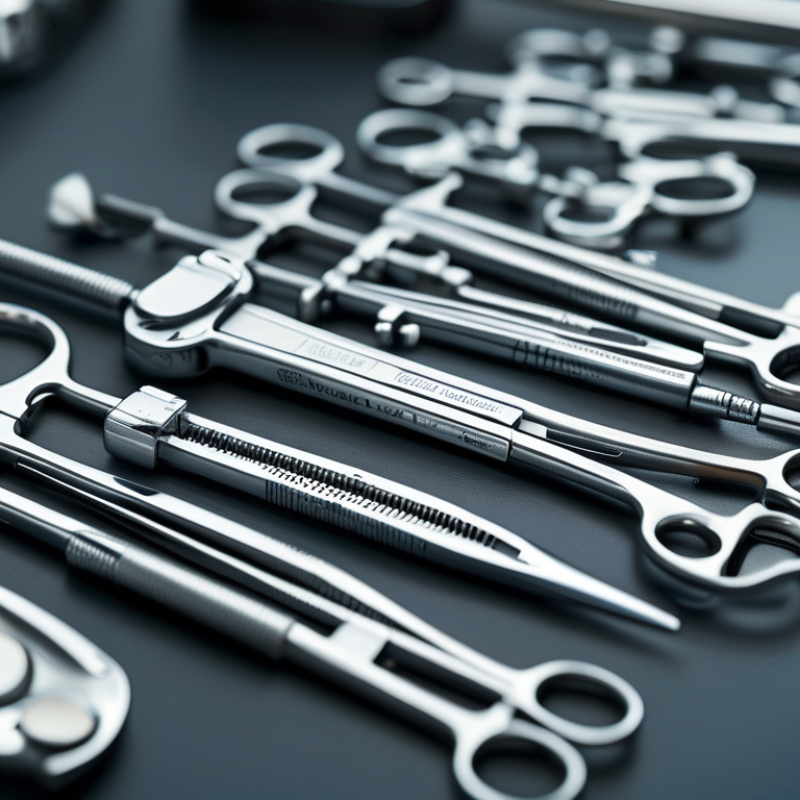
When selecting surgical instruments, it’s essential to understand the various categories available to buyers. Surgical instruments can be divided into several key groups: cutting and dissecting tools, grasping and holding instruments, and retractors. Each category has a distinct purpose that is crucial in surgical procedures.
Cutting instruments, like scalpels and scissors, are vital for making incisions. They require precision and sharpness to ensure minimal tissue damage. Grasping instruments, such as forceps, are used to hold and manipulate tissues or organs. The right balance and grip are necessary for effective use.
Retractors help to hold back tissues, providing the surgeon with a clear view of the surgical field.
Selecting the right instruments can be challenging. It’s important to consider the specific needs of the procedure. Always review the latest guidelines and standards in surgical instrument selection. Feedback from experienced surgeons can also provide insights. Testing instruments for comfort and efficiency may reveal preferences and improve overall surgical outcomes.
When selecting surgical instruments, it’s crucial to prioritize quality and reliability. Surgical instruments must meet high standards for precision and durability. Look for materials that resist corrosion and wear, as these factors directly affect instrument longevity. Instruments should also be designed for easy handling, ensuring both safety and efficiency in the operating room.
Another important consideration involves the instrument’s intended purpose. Different procedures require specific tools with unique features. Always assess whether the instruments align with the surgical procedures you perform. Additionally, consider the ergonomic design. Instruments that fit comfortably in the hand can reduce fatigue, enhancing the surgeon’s focus and precision.
Budget constraints often challenge healthcare facilities. It's vital to balance cost with quality. Investing in high-quality instruments may lead to lower replacement costs over time. However, many buyers overlook the total cost of ownership. This includes maintenance and repair expenses, which can add up. Some suppliers may offer lower initial prices but lack after-sales support, leading to potentially higher long-term costs. Exploring education and training regarding instrument use may also enhance their effectiveness, promoting better patient outcomes.
The global surgical instrument market is experiencing significant growth, projected to reach USD 20 billion by 2026. This rise is driven by the increasing demand for minimally invasive procedures worldwide. Key players in this domain focus on innovation and quality, as reliability is paramount in surgical environments. Emerging technologies, such as robotic-assisted surgeries, require advanced instrumentation that meets high standards.
In 2023, a leading market report highlighted that surgical instruments represent over 40% of the total surgical market. This statistic underscores the importance of choosing the right instruments. Certified manufacturers often prioritize precision and ergonomics, considering both surgeon usability and patient safety. The importance of adherence to international quality standards cannot be overstated; it ensures that instruments are not just effective but also safe for use in various surgical procedures.
Choosing the right surgical instruments is vital. Review product specifications carefully. Look for instruments that combine durability and functionality. Understanding the specific needs of your surgical practice can guide your selection process. Engage with experienced professionals and seek out user feedback. Investing time in research can yield significant long-term benefits.
The surgical instrument industry is witnessing rapid advancements, driven by technology and innovation. Smart surgical tools are integrating AI to enhance precision. These instruments can analyze real-time data, aiding surgeons in decision-making during procedures. The rise of minimally invasive techniques is leading to a demand for smaller, more efficient instruments. This shift allows for quicker recovery times and less postoperative pain.
Sustainability is becoming a crucial focus in surgical instrument design. Many manufacturers are exploring biodegradable materials and energy-efficient manufacturing processes. This change reflects a growing awareness of the environmental impact of medical waste. However, the transition to sustainable practices presents challenges. Ensuring that new materials meet stringent safety standards will require rigorous testing and validation.
Furthermore, robotic-assisted surgeries are evolving. Enhanced dexterity and visualization capabilities are becoming standard. However, there is concern about the learning curve for surgeons. Not every medical professional is comfortable with robotic systems yet. Balancing the benefits of automation with adequate training is essential for safe and effective implementation.
| Instrument Type | Material | Innovation Highlights | Market Trend | Estimated Growth Rate (%) |
|---|---|---|---|---|
| Scalpel | Stainless Steel | Ultra-sharp blades with improved ergonomics | Rising demand for precision | 7% |
| Forceps | Titanium | Lightweight design with enhanced grip | Increased use in minimally invasive surgeries | 5% |
| Scissors | Carbon Steel | Dual-function cutting and tissue handling | Emerging trend towards multifunctionality | 6% |
| Needle Holders | Stainless Steel | Smart grip technology for better control | Growing adoption in complex surgeries | 8% |
| Electrocautery Pencil | Plastic and Metal | Improved safety features to reduce burns | Innovations for increased surgical efficiency | 9% |
When it comes to purchasing surgical instruments, thorough evaluation is crucial. Understanding the specific needs of your surgical team is the first step. Knowing the types of procedures performed can help in selecting the right instruments. Engaging with surgeons and nurses can provide insights into their experiences with various tools. Their practical feedback is invaluable, often highlighting nuances that written specifications cannot convey.
Quality assurance is another essential aspect. Look for instruments made from high-grade materials that promise durability. Testing instruments for weight and balance can often reveal their usability. Sometimes, the most expensive option isn’t the best. Consider overall performance and maintenance needs instead. Be wary of suppliers promising everything. A reputation for reliability is worth considering.
Finally, it's wise to reflect on the purchasing process itself. It can often feel overwhelming with various options available. Focusing on one category at a time can simplify decision-making. Seek ongoing training for staff on instrument handling, as knowledge leads to better outcomes. Evaluate your selections after use to identify any areas for improvement. This reflective approach can enhance future purchases and improve overall surgical efficiency.
: Surgical instruments are primarily categorized into cutting, grasping, and retracting tools. Each category serves a specific purpose.
Precision is crucial to minimize tissue damage during incisions. Sharp instruments like scalpels ensure clean cuts.
Assess specific surgical needs and consult with experienced surgeons. Testing for comfort can reveal personal preferences.
There are advancements such as AI integration, which boosts precision. Minimally invasive techniques are also driving innovation.
Sustainability reduces the environmental impact of medical waste. However, ensuring new materials are safe poses challenges.
Consider the needs of your surgical team, material quality, balance, and durability. Expensive options aren't always the best.
Focus on one category at a time. Reflect on selections after use to identify improvement areas.
While robotic tools enhance precision, not all surgeons are comfortable with them. Adequate training is necessary for effective use.
Ongoing training is vital. The more knowledgeable the staff, the better the surgical outcomes.
Relying solely on cost or brand reputation can lead to poor choices. One must prioritize performance and reliability.
The "Surgical Instrument Selection Guide" provides essential insights for global buyers seeking to navigate the complex landscape of surgical instruments. It begins with an overview of various surgical instrument categories, helping buyers identify the right tools for their specific needs. The guide emphasizes key factors to consider during selection, such as instrument quality, ergonomics, and cost-effectiveness.
Additionally, the guide highlights emerging trends in surgical instrument technology, including advancements in materials and innovative design features that enhance surgical outcomes. Best practices for evaluating and purchasing instruments are also detailed, ensuring that buyers make informed decisions that align with their clinical requirements and operational efficiency. Overall, this guide serves as a comprehensive resource for anyone involved in procuring surgical instruments in today's evolving healthcare environment.
