 ZNG Medical
ZNG Medical
ZNG Medical
Diabetes technology is moving from specialist clinics into kitchens, workplaces, and school bags. Yet access alone does not guarantee confident use. The IDF Diabetes Atlas, 11th edition, estimates that 589 million adults were living with diabetes in 2024. That figure makes practical education urgent. It also exposes a weakness: many device discussions still focus on features, not daily behavior.
This 2026 guide examines the top diabetes devices for patient education, including continuous glucose monitors, smart insulin pens, insulin pumps, connected meters, and automated insulin delivery systems. The ADA Standards of Care in Diabetes—2026 emphasizes individualized technology selection, training, data interpretation, and ongoing support. The CDC’s National Diabetes Statistics Report also shows the scale of diabetes in the United States, strengthening the case for clearer device instruction. A patient should know what a glucose trend means, when an alarm needs attention, and how to confirm unusual readings. A bright screen is not enough.
Dr. Anne Peters, a widely recognized endocrinologist and diabetes-technology educator, has stated, “Technology is not a replacement for education.” That principle guides this review. Each section considers usability, clinical evidence, caregiver involvement, privacy, cost, and training demands. However, no ranking can fit every patient. A teenager may need discreet alerts, while an older adult may value larger numbers and simpler buttons. Some recommendations may change as evidence develops. That uncertainty deserves honesty. Effective Patient Education For Diabetes Devices should build confidence without promising perfection.
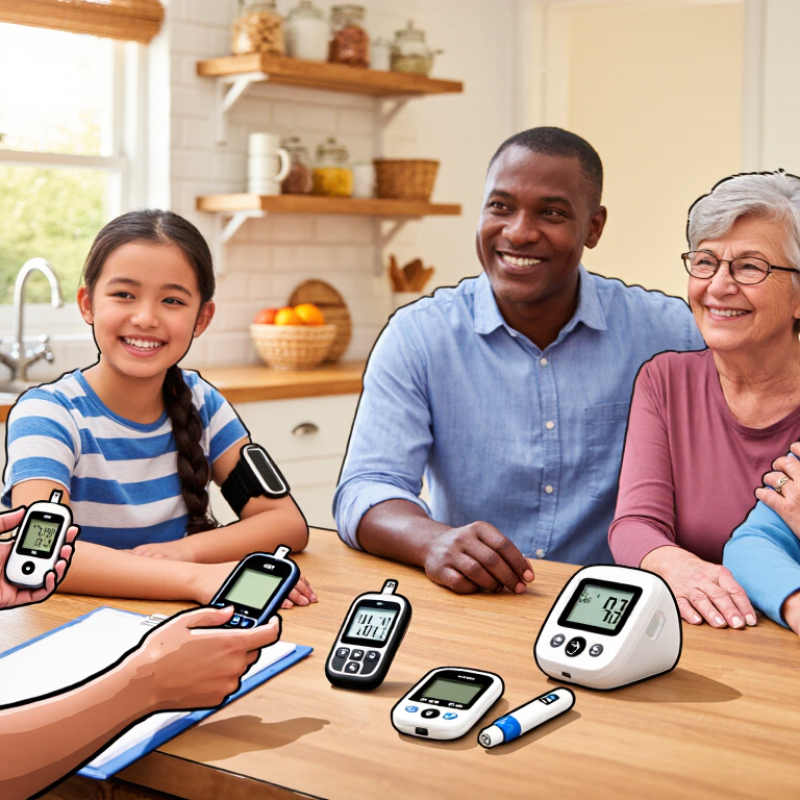
2026 Top Diabetes Devices For Patient Education
What Diabetes Devices Do and Why They Matter in Patient Education
Diabetes devices turn invisible glucose changes into information people can act on. A blood glucose meter gives a reading from a small finger sample. A continuous glucose monitor shows patterns across the day. Insulin pens, pumps, and connected dosing tools support more consistent treatment routines. Each device teaches a different part of diabetes care.
A patient educator should demonstrate more than button pressing. They should explain hand washing, sensor placement, calibration needs, storage, and error messages. A patient should also learn when a reading may be unreliable. For example, symptoms that conflict with a device result deserve clinical attention. Data can guide conversations about meals, activity, medication timing, and overnight changes. It should not replace professional judgment.
The screen is not the lesson.
In practice, people often feel confident during training and struggle at home. Tiny icons, alarms, or too much data can create anxiety. I have seen patients record every number but miss the pattern behind them. That is an education gap, not a personal failure. Teaching should include a return demonstration, simple written steps, and time for questions. Healthcare professionals should review device data with context, including illness, stress, exercise, and missed doses. Privacy settings and safe data sharing also deserve clear discussion. Technology can improve self-management, but only when the person using it understands its limits.
| Device Type | What It Measures or Delivers | Typical User Actions | Key Patient-Education Topics | Why It Matters in Education | Important Limitations and Safety Points |
|---|---|---|---|---|---|
| Continuous Glucose Monitor (CGM) | Measures glucose in interstitial fluid at regular intervals and displays current glucose, trend arrows, and historical patterns. | Apply the sensor correctly, review readings and trends, respond to alerts, and replace the sensor according to its approved wear period. | Trend interpretation Alerts Time in range Sensor care | Shows how meals, exercise, illness, stress, and medication affect glucose over time. It supports pattern-based learning rather than relying only on isolated readings. | Readings can differ from blood glucose during rapid changes. Users must understand alert settings, sensor failures, skin reactions, and when a confirmatory finger-stick may be needed under their care plan. |
| Blood Glucose Meter | Measures glucose in a small capillary blood sample, usually obtained from a fingertip. | Wash and dry hands, insert a test strip, obtain an adequate sample, record the result, and dispose of the lancet safely. | Testing technique Hand hygiene Result logging Quality control | Provides a practical foundation for understanding glucose targets, medication decisions, sick-day monitoring, and the relationship between behavior and results. | Contaminated fingers, expired or poorly stored strips, insufficient blood, dehydration, and improper coding or calibration where applicable can affect accuracy. Results should be interpreted with the clinical plan. |
| Insulin Pen | Delivers a measured dose of rapid-, short-, intermediate-, or long-acting insulin, depending on the prescribed product. | Check the insulin and dose, attach a new needle, prime when instructed, inject into an appropriate site, hold the needle in place as directed, and remove the needle safely. | Dose selection Injection sites Storage Needle safety | Builds confidence with daily insulin administration and helps prevent common errors involving dose selection, timing, injection technique, and site rotation. | Insulin type, timing, storage requirements, and dose changes must follow the prescription. Needles should not be reused or shared. Users need clear instructions for hypoglycemia prevention and treatment. |
| Smart Insulin Pen | Records selected doses and may transmit dose information to a compatible digital system; some models also provide dose reminders or calculation support. | Use compatible disposable or reusable components, confirm the displayed dose, review the dose history, and keep the device synchronized when required. | Dose tracking Missed doses Data review Privacy | Helps patients and clinicians identify missed, delayed, or duplicated doses and connect insulin use with glucose patterns during follow-up education. | Connectivity does not guarantee correct dosing. The recorded dose may be inaccurate if the device is used incorrectly, and digital data should not replace clinical judgment or the prescribed treatment plan. |
| Insulin Pump | Delivers rapid-acting insulin continuously as a basal rate and provides user-programmed bolus doses through an infusion set or patch-based delivery system. | Load insulin, insert or apply the infusion system, monitor glucose, give meal or correction boluses as prescribed, and change the delivery set on schedule. | Basal and bolus Carbohydrate counting Infusion-site care Backup planning | Demonstrates the difference between background and mealtime insulin and can support flexible dosing while teaching detailed self-management skills. | A pump interruption can lead to rapid insulin deficiency because many users do not have long-acting insulin active in the body. Patients need backup insulin, troubleshooting skills, ketone guidance, and emergency instructions. |
| Automated Insulin Delivery System | Combines glucose-sensor data with an insulin pump algorithm to adjust insulin delivery automatically within programmed safety limits. | Wear and maintain both sensor and pump components, announce meals when required, respond to alerts, confirm settings, and monitor system performance. | System operation Meal boluses Alerts Failure procedures | Teaches patients how technology can reduce glucose variability while reinforcing that users remain responsible for meals, alarms, site changes, and backup treatment. | Automation is not fully independent and may not prevent every high or low glucose event. Sensor gaps, infusion-set failures, incorrect settings, and missed meal boluses can reduce effectiveness. |
| Blood Ketone Meter | Measures beta-hydroxybutyrate in blood, helping identify ketone production during significant insulin deficiency or illness. | Test when instructed during illness or sustained high glucose, interpret the result according to the sick-day plan, hydrate as directed, and seek help when specified. | Sick-day rules Ketone thresholds Hydration Emergency signs | Improves recognition of diabetic ketoacidosis risk, especially for people using intensive insulin therapy or insulin pumps. | Ketone results must be interpreted with glucose levels and symptoms. Vomiting, abdominal pain, deep or rapid breathing, confusion, dehydration, or worsening symptoms require urgent medical evaluation. |
| Glucagon Emergency Device | Provides emergency glucagon to raise blood glucose during severe hypoglycemia when a person cannot safely eat or drink. | Teach family members, caregivers, coworkers, or school staff where it is stored, how to use the specific delivery format, and when to call emergency services. | Severe hypoglycemia Caregiver training Emergency response Replacement dates | Extends diabetes education beyond the patient and creates a practical response plan for unconsciousness, seizures, or inability to swallow safely. | Do not give food or drink to an unconscious or severely confused person. Emergency services should be contacted according to the care plan. Storage conditions and expiration dates must be checked regularly. |
| Connected Diabetes Data Platform | Collects and displays glucose, insulin, carbohydrate, activity, and symptom information from compatible devices or manual entries. | Sync devices, enter relevant context, review reports, identify patterns, and share information securely with the healthcare team when appropriate. | Data literacy Pattern recognition Goal setting Data privacy | Turns separate readings into understandable trends and supports collaborative discussions about behavior, treatment adherence, and individualized goals. | Incomplete or inaccurate entries can create misleading conclusions. Patients should understand permissions, account security, data ownership, and that digital reports do not replace professional assessment. |
| Blood Pressure Monitor | Measures systolic and diastolic blood pressure and pulse rate using an inflatable cuff. | Use the correct cuff size, rest before measurement, position the arm correctly, avoid talking, and record repeated readings as instructed. | Cardiovascular risk Measurement technique Home monitoring Trend review | Supports education about the broader cardiovascular risks associated with diabetes and reinforces the value of monitoring beyond glucose alone. | Incorrect cuff size, recent exercise, caffeine, smoking, talking, or poor positioning can distort readings. A single reading should not be used to change medication without clinical guidance. |
| Digital Scale and Activity Monitor | Tracks body weight, steps, movement, or other activity-related measures, depending on the device. | Use consistently under similar conditions, review trends rather than isolated values, and connect activity data with glucose and treatment goals. | Physical activity Weight trends Hypoglycemia prevention Behavior goals | Helps patients understand how activity, weight changes, and exercise timing may influence glucose management and overall cardiometabolic health. | Measurements are estimates and may be affected by device placement, hydration, or algorithm limitations. Exercise plans should be individualized, particularly for people using insulin or medicines that can cause hypoglycemia. |
They turn hidden glucose changes into visible information. A meter shows one reading from a small finger sample. A sensor shows daily patterns, including overnight changes. The screen is not the lesson.
Demonstrate hand washing, sampling, storage, and error messages. Let the patient perform the steps afterward. Practice before breakfast, after walking, and during illness. A number without context can mislead.
A reading may conflict with physical symptoms or daily circumstances. Illness, stress, exercise, and missed medication can change results. Ask a healthcare professional when symptoms and readings disagree. Devices have limits.
Sensors reveal trend arrows, time patterns, and overnight changes. Patients can compare a morning spike with a breakfast photo. Alerts may prompt useful action. Too many alarms can create anxiety.
They should practice dose checking, injection timing, storage, and safe disposal. A dose indicator can support careful use. A connected tool may record timing and highlight missed doses. It cannot replace clinical judgment.
Training should cover hand hygiene, priming, scheduled delivery, and set replacement. Patients should inspect the skin for irritation. They need a plan for a loose adhesive or blocked set. Small mistakes can matter.
People may feel confident during training, then struggle at home. Ask them to prepare the device and explain each step. Practice responding to a low reading. Confidence can be misleading.
Review readings with context instead of chasing every number. Discuss meals, activity, stress, illness, and missed doses. Use privacy settings before sharing reports. I might record everything and still miss the pattern.
The 2026 guide to diabetes devices explains how modern tools can make diabetes care easier to understand, monitor, and manage. These devices may track glucose levels, provide trend information, support insulin delivery, and help users develop practical self-management habits. In patient education, they are valuable because they turn daily health data into information that can encourage informed decisions, recognize patterns, and improve communication with healthcare professionals. Patient Education For Diabetes Devices should focus not only on using the technology, but also on understanding its purpose and limitations.
The guide highlights key features to compare, including accuracy, ease of use, accessibility, data sharing, alerts, comfort, and compatibility with a person’s care plan. It also explains how glucose monitoring tools and insulin-support devices can be used safely for learning and routine management. Choosing the right device requires professional guidance, appropriate training, regular maintenance, and careful attention to instructions. Devices should support—not replace—individualized medical advice and ongoing communication with a qualified healthcare team.
