ZNG Medical
In the realm of healthcare, the role of anesthesia equipment is paramount. Dr. Emily Carter, a leading expert in Anesthesia Equipment Troubleshooting, asserts, "Understanding the nuances of equipment is crucial for patient safety." This statement highlights the need for thorough knowledge and practical skills.
Anesthesia equipment can be complex and prone to issues. Each device, from monitors to vaporizers, requires attention. A simple malfunction can lead to significant problems during procedures. Buyers must be vigilant when selecting equipment, ensuring reliability and functionality.
Navigating Anesthesia Equipment Troubleshooting can be daunting. There's often little room for error. Mistakes can compromise patient care. Therefore, understanding common equipment issues and their solutions is essential for all anesthesia professionals. This guide aims to equip buyers with the insights necessary for informed decisions.
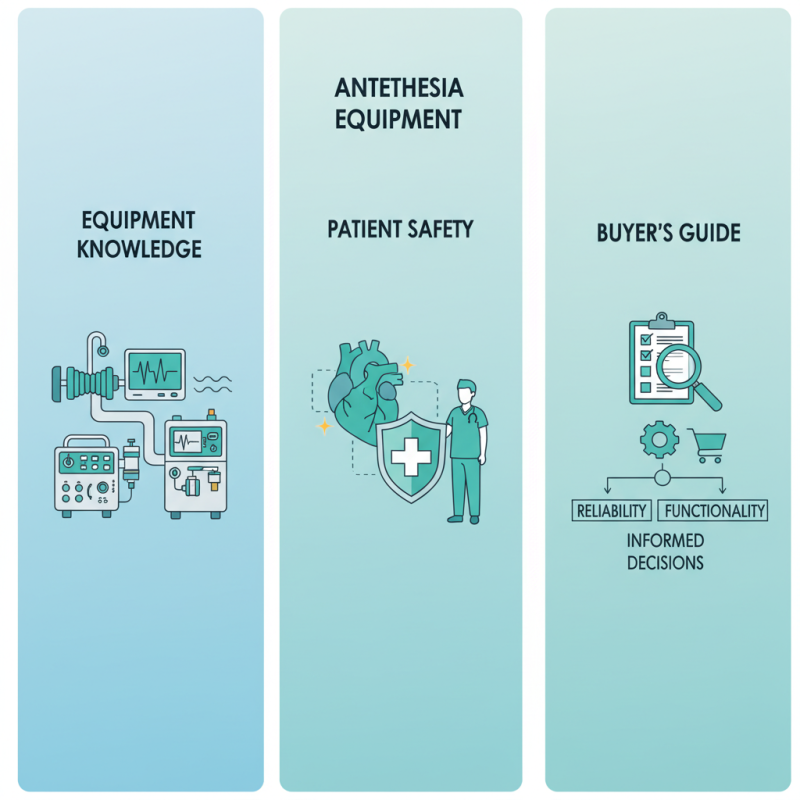
Anesthesia equipment troubleshooting is crucial for patient safety and optimal surgical outcomes. Reports indicate that equipment failure occurs in about 10% of procedures. This statistic highlights the dire need for effective troubleshooting methods. In-depth knowledge of equipment functionality can minimize the risk of complications.
Understanding equipment failures helps clinicians react promptly. For instance, loose connections or software glitches can lead to critical failures. A study revealed that 30% of equipment issues stem from user error. Regular training sessions can drastically reduce these incidents. It is essential for medical professionals to remain vigilant and proactive.
Troubleshooting should be systematic and thorough. Inadequate checks can lead to missed warnings. Not every malfunction is obvious, and some may only present subtle signs. Effective troubleshooting requires not just technical skills but a strong foundation in equipment knowledge. Regular reviews of past issues can inform better practices in future procedures.
Anesthesia equipment plays a critical role in patient safety and care during surgeries. However, issues can arise, and recognizing symptoms is vital. Common problems include equipment malfunction, which may manifest as unexpected alarms, inconsistent vital signs, or failure to deliver the correct dosage. According to the American Society of Anesthesiologists, nearly 10% of anesthesia incidents are due to equipment failure. Such data emphasizes the importance of vigilance among medical professionals.
Another prevalent issue is gas delivery problems. Symptoms often include fluctuations in end-tidal CO2 or unexpected changes in oxygen saturation. The Anesthesia Patient Safety Foundation reports that these malfunctions could lead to severe consequences if not promptly addressed. Insufficient training or inadequate checks can often lead to these situations. Reflecting on equipment protocols may uncover gaps in safety measures.
Lastly, monitoring discrepancies can lead to misinterpretations of a patient’s condition. Anomalies in patient monitors require careful assessment. Research from the World Federation of Societies of Anaesthesiologists highlighted that nearly 15% of serious incidents were linked to monitoring errors. This statistic illustrates the need for ongoing education and thorough training in anesthesia practices to mitigate potential risks.
This chart represents the number of reported issues associated with common anesthesia equipment. Understanding these issues can help buyers make informed decisions when selecting equipment for medical facilities.
Anesthesia devices play a crucial role in patient care. Proper troubleshooting techniques can ensure their optimal function. When you encounter an issue, the first step is understanding the device's expected operation. For instance, check power connections and indicator lights. Are they functioning as intended? This basic examination often reveals simple problems.
Next, assess the device's settings. Incorrect configurations can lead to mismanagement. Review the user manual for guidance on recommended settings. Pay attention to alarms or error messages displayed on the screen. These alerts provide valuable insights into the device's condition. Ignore them at your peril.
Finally, don't hesitate to consult with colleagues. Sharing experiences about similar issues can broaden your understanding. Sometimes, a fresh perspective helps identify overlooked details. Mistakes in troubleshooting can be stressful. Acknowledging them is part of the learning process. Emphasizing communication can improve overall troubleshooting efficacy in your team.
Maintaining anesthesia equipment is essential for safe medical practices. Regular checks can prevent costly failures that disrupt operations. Dedicating time for routine inspections ensures that all components function as intended. Visual checks for wear, tear, and other issues can catch problems early. This approach reduces emergencies related to equipment malfunctions.
Consider developing a maintenance schedule tailored to your facility’s needs. Ensure that all staff members are trained to recognize warning signs. Consistent training can help identify issues before they escalate. It is crucial to keep a log of maintenance activities. Tracking repairs and replacements can highlight recurring problems that need addressing.
Preventive maintenance strategies require buy-in from all team members. Encourage open communication about potential issues. Share experiences regarding equipment challenges. This collaboration fosters a culture that prioritizes safety and functionality. By addressing minor issues proactively, facilities can enhance operational efficiency and reduce the risk of unexpected failures.
When considering anesthesia equipment for your practice, a thorough evaluation is crucial. According to recent industry reports, over 60% of anesthesia complications arise from equipment failure. This statistic underscores the importance of reliability in your equipment choices. A good strategy is to assess equipment based on its ease of use and maintenance requirements. Complex systems might look sophisticated, but they can lead to more errors or user frustration.
Additionally, safety features present in modern anesthesia machines play a pivotal role. Features like automatic self-checks can drastically minimize risks during procedures. However, it's essential to align these features with your specific practice needs. For instance, surgical centers may require different functionalities than outpatient clinics. Anesthesia systems should provide accurate dosage and necessary alarms to enhance patient safety.
Moreover, training is often overlooked. Many users struggle with unfamiliar technology after purchase. A device might be state-of-the-art but remains ineffective if the staff lacks proper training. Continuous education regarding equipment usage can improve outcomes significantly. Investment in training promotes both confidence and competence among staff. Through careful evaluation and ongoing education, practices can ensure optimal utilization of anesthesia equipment.
| Equipment Type | Common Issues | Troubleshooting Steps | Maintenance Tips | Replacement Parts |
|---|---|---|---|---|
| Anesthesia Machine | Inaccurate gas delivery | Check gas flow settings and calibrate. | Regularly check for leaks and recalibrate annually. | Replace gas flow monitors as needed. |
| Ventilator | Low tidal volume | Inspect ventilator settings and check the circuit for obstructions. | Clean the respiratory circuit monthly. | Replace filters and tubings regularly. |
| Monitoring Equipment | Inconsistent readings | Recalibrate monitors and check sensor placement. | Perform daily checks and replace batteries as needed. | Replace sensors annually. |
| IV Pumps | Occlusion error | Check for kinks in tubing and ensure proper initialization. | Calibrate pumps quarterly. | Replace infusion sets regularly. |
: Understand the device's expected operation and check power connections and indicator lights.
Incorrect configurations can lead to mismanagement and impact patient safety.
They provide valuable insights into the device's condition and should not be ignored.
Consulting with colleagues can bring a fresh perspective to the problem.
Regular checks can prevent costly failures and ensure safe medical practices.
It should be tailored to the facility’s needs and ensure staff recognize warning signs.
It fosters collaboration and prioritizes safety and functionality regarding equipment issues.
Assess its ease of use, maintenance requirements, and required safety features.
Users may struggle with unfamiliar technology without proper training, impacting outcomes.
It promotes confidence and competence among staff, ensuring optimal equipment utilization.
The "2026 Best Anesthesia Equipment Troubleshooting Guide for Buyers" emphasizes the critical role that Anesthesia Equipment Troubleshooting plays in ensuring safe and effective patient care. Understanding the common issues that arise with anesthesia devices, alongside their symptoms, equips healthcare professionals to quickly identify and address malfunctions. The guide outlines step-by-step troubleshooting techniques that streamline the problem-solving process, thus enhancing operational efficiency.
Furthermore, the importance of preventative maintenance strategies is highlighted, helping practitioners to avoid equipment failures before they happen. Lastly, the guide offers insights on evaluating the best anesthesia equipment tailored to individual practice needs, ensuring that healthcare providers are well-prepared to meet evolving demands. By mastering these aspects of Anesthesia Equipment Troubleshooting, practitioners can improve patient outcomes and maintain high standards of care.
